

History
Until around 1800, Camberwell existed as a quaint farming village, encompassed by lush woods and open fields. Its focal point was the High Street, now known as Denmark Hill, which received its name in honour of Prince George of Denmark, Queen Anne’s husband, who once resided in the area.
During this period, Camberwell boasted several mineral wells and springs, a feature that lasted until approximately 1850. Among these wells, one was believed to possess healing properties, and this legend may provide a plausible origin for the name “Camberwell.” In Old English, “cam” translates to “crooked,” hinting that Camberwell could signify “the well of the crooked,” alluding to a place where individuals with physical ailments sought remedies. Notably, the local church is dedicated to St Giles, the patron saint of disabled people.
St Giles’ church, still situated on its original site, traces its origins back to the 7th century AD. The initial structure, constructed in stone in 1154, underwent various modifications over the centuries until a devastating fire consumed it in 1841. A new church, designed by Sir George Gilbert Scott and adorned with stained glass windows by local resident John Ruskin, was completed in 1844.
In the 19th century, an influx of wealthier inhabitants arrived in Camberwell, drawn by the improved transportation facilitated by the construction of bridges like Westminster Bridge (1750), Blackfriars Bridge (1769), Vauxhall Bridge (1816), and Southwark Bridge (1819), which eased commuting to central London. Despite the growing population, Camberwell managed to retain its picturesque allure.
Until the late 19th century, the interstitial region connecting Camberwell and Peckham accommodated spacious villas surrounded by expansive gardens. As in many parts of South London, the advent of railways significantly transformed the landscape. The first trains reached Camberwell in 1862, leading to a massive expansion of railway tracks over the subsequent six years. This provided a new, affordable mode of travel, enabling more people to afford suburban living. By 1801, Camberwell’s population stood at 7,059, and a century later, it surged to 259,425.
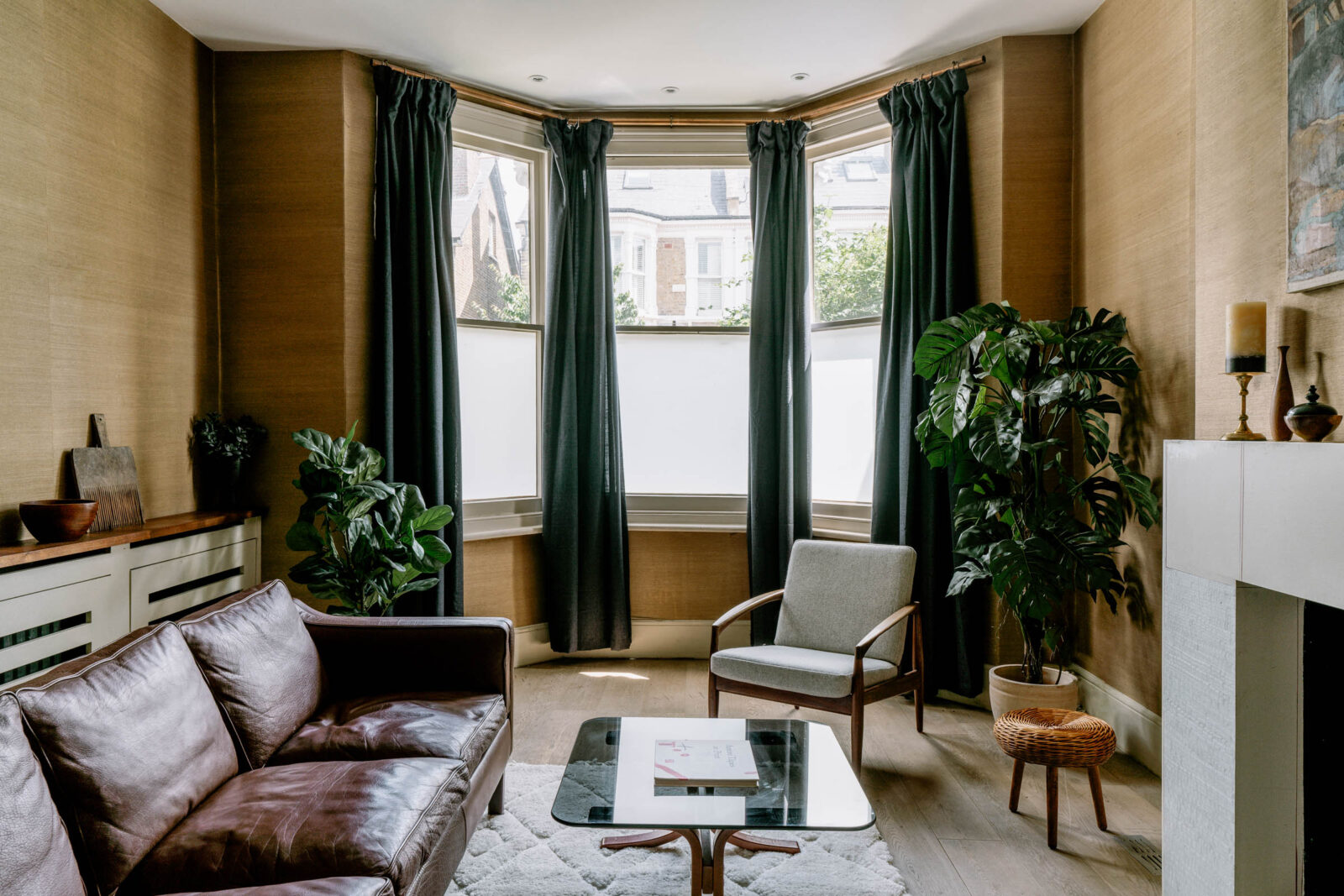
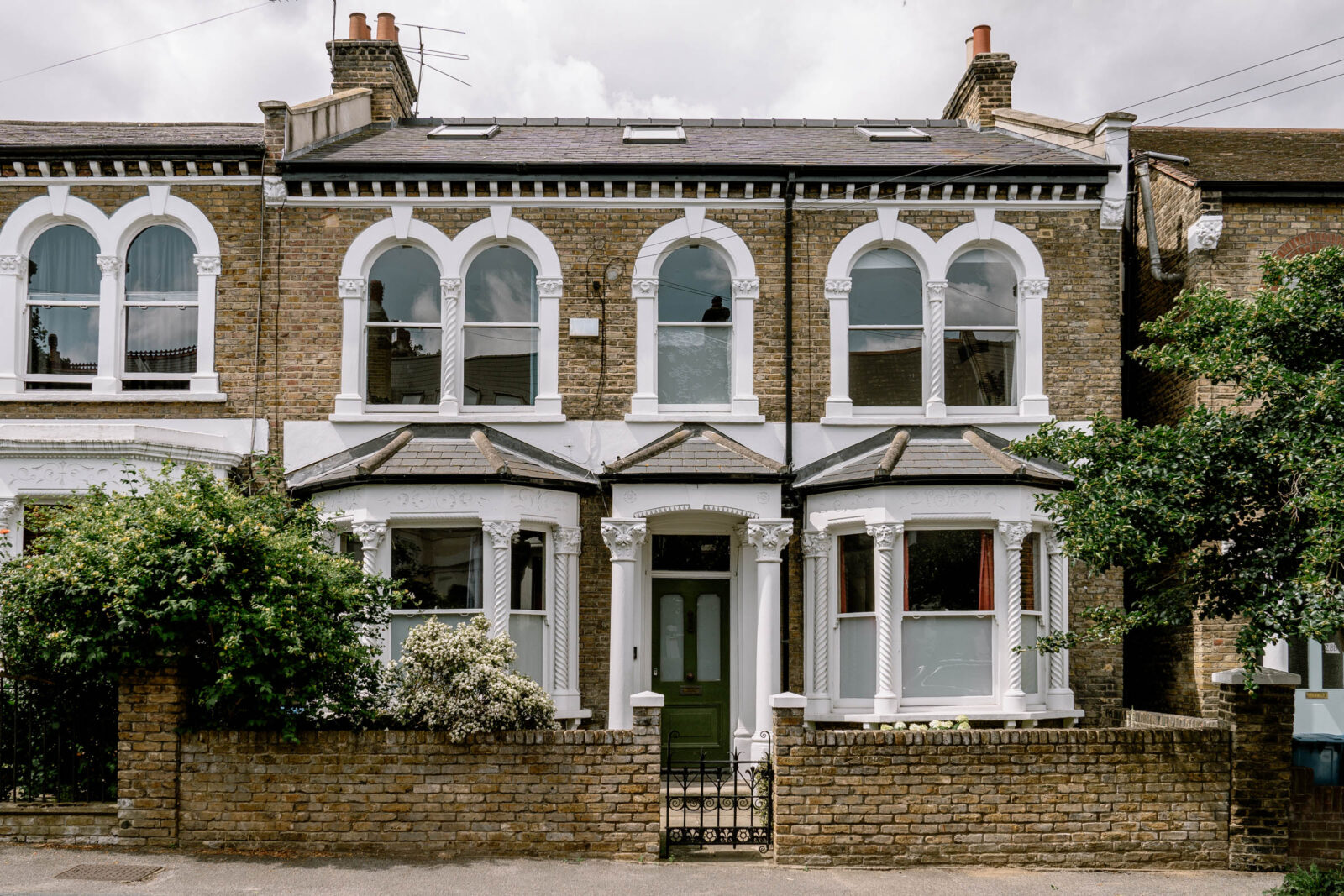
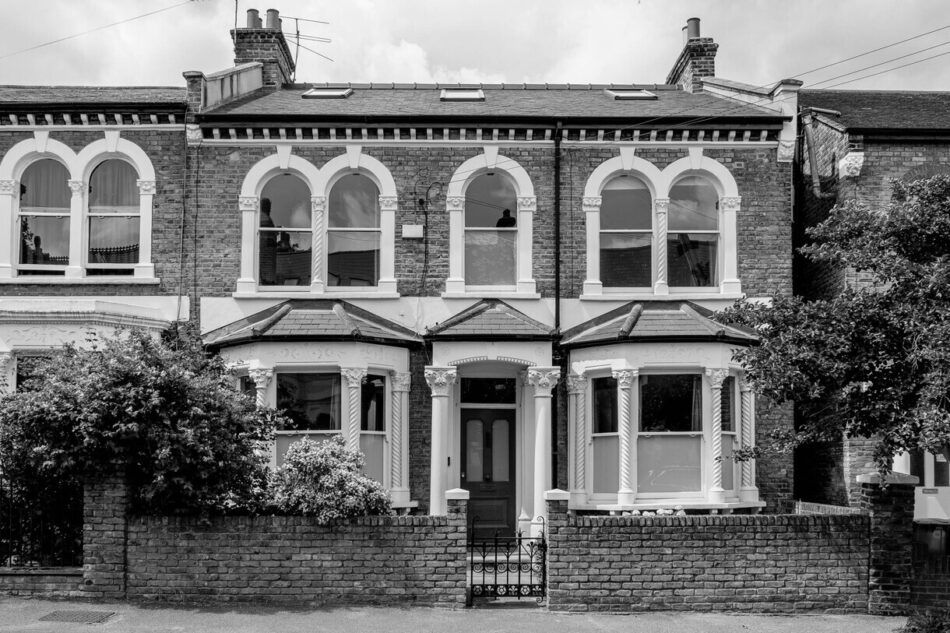
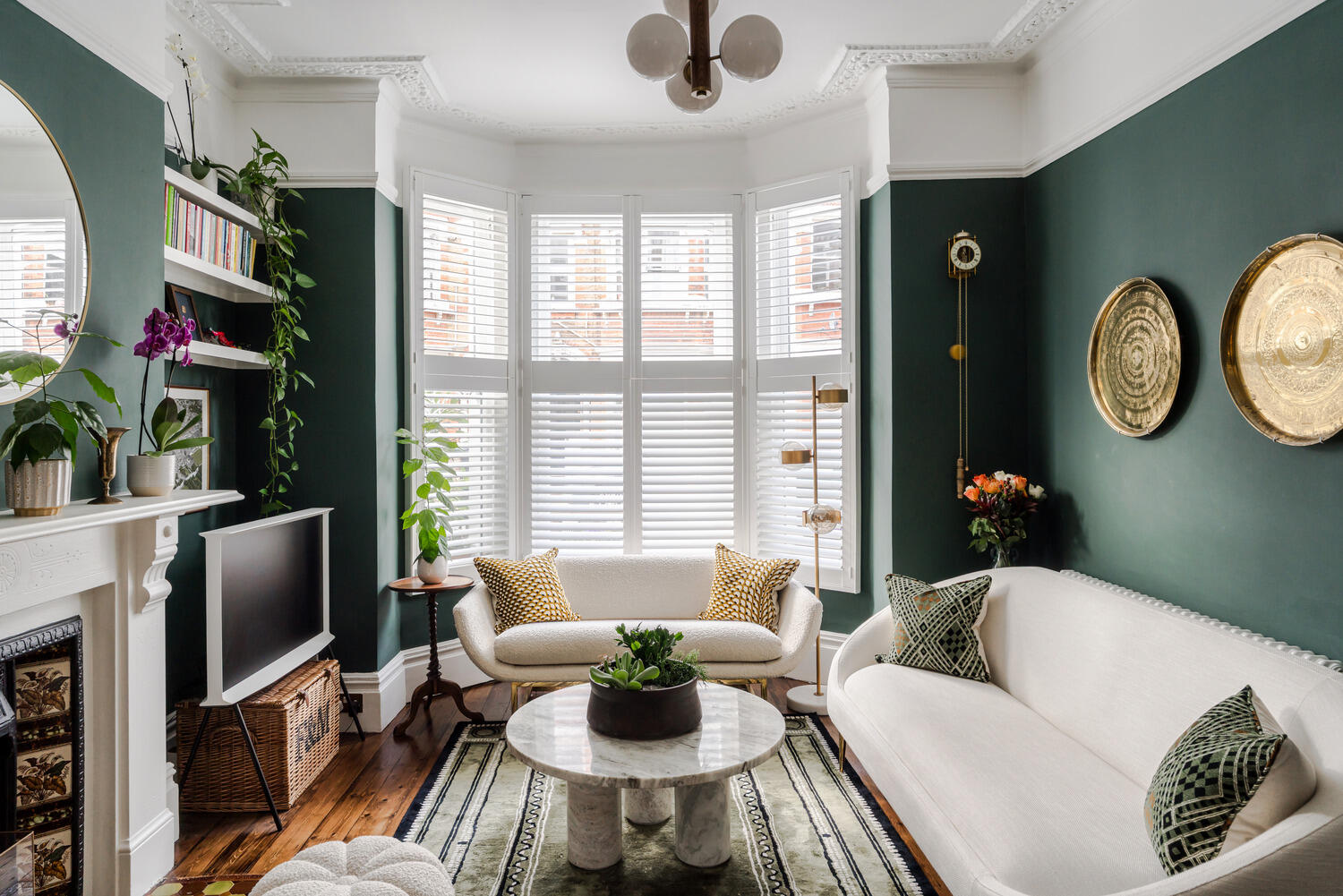
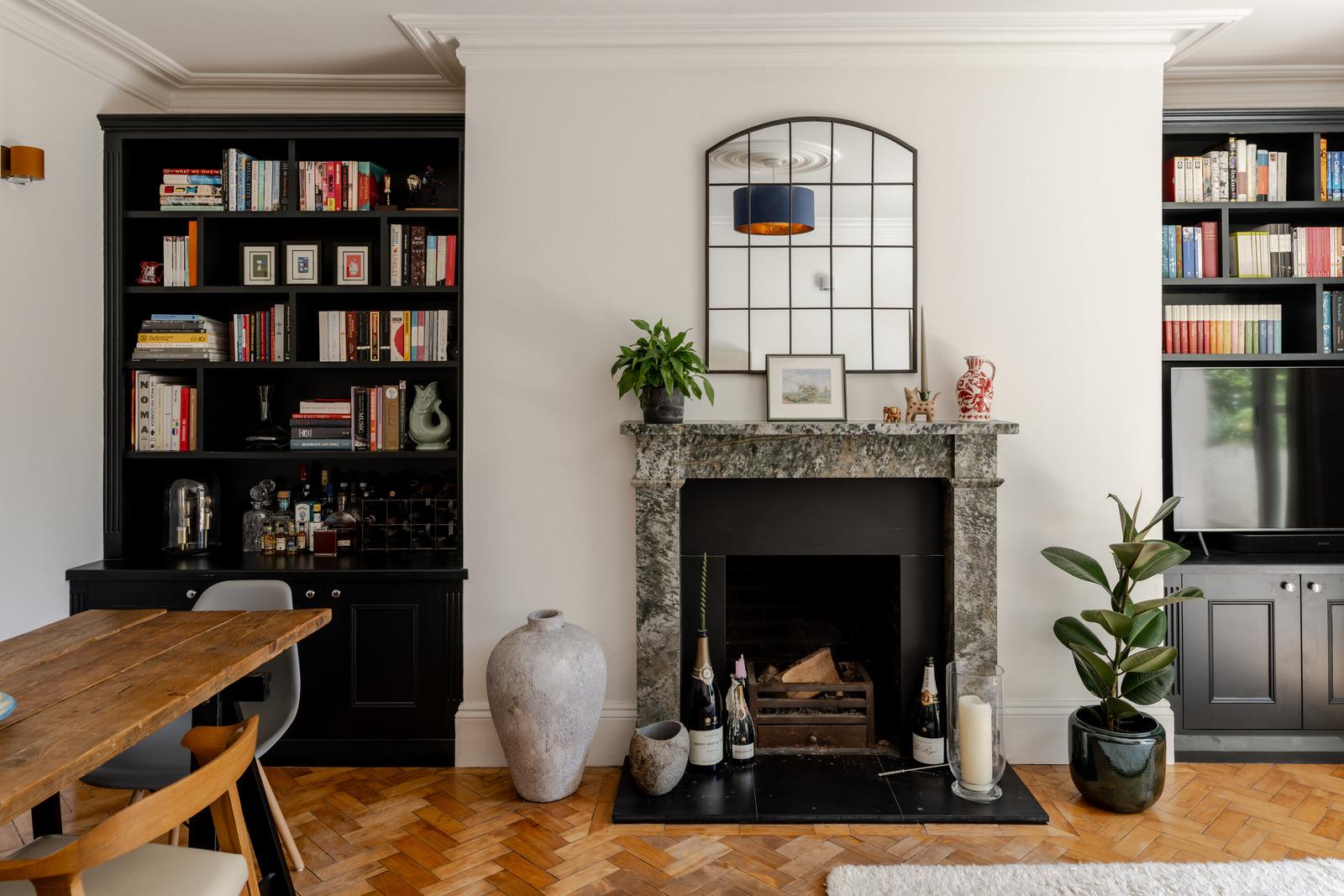
The house in question was constructed in 1901, embodying architectural elements that bridge the late Victorian and early Edwardian eras. While retaining many original features, the house now harmoniously blends these timeless aspects with contemporary interiors, thoughtfully designed by Robinson Van Noort.
 Related Stories