InigoInigo Logo

A Private View: a magnificent Georgian home, at the heart of Bristol's most iconic view

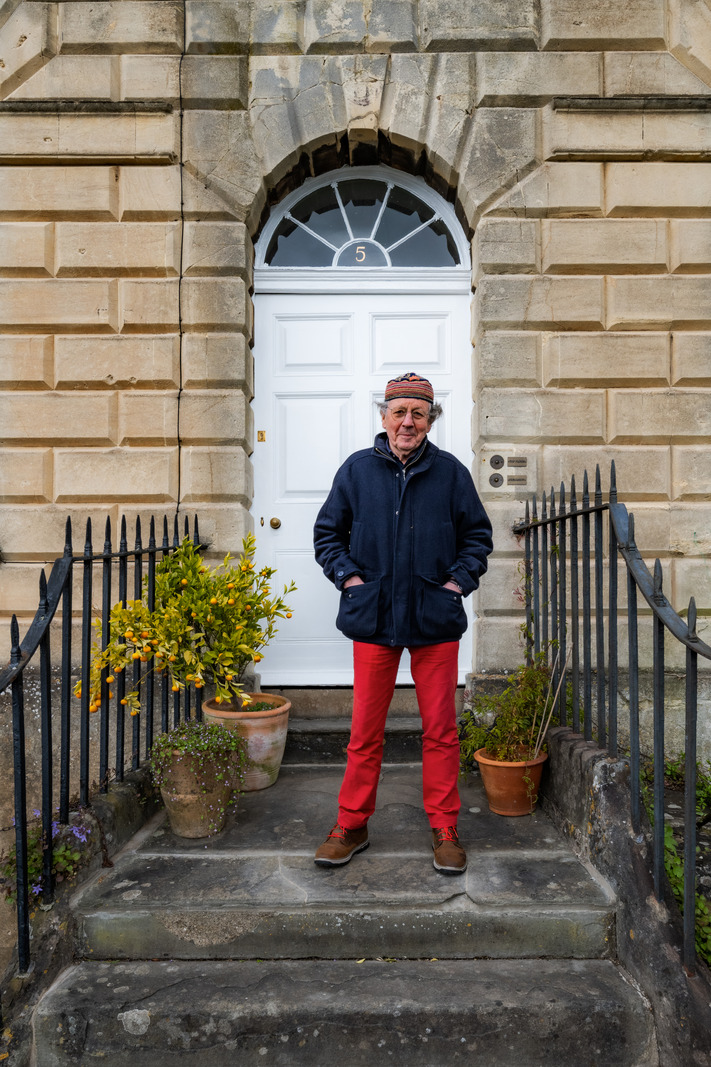
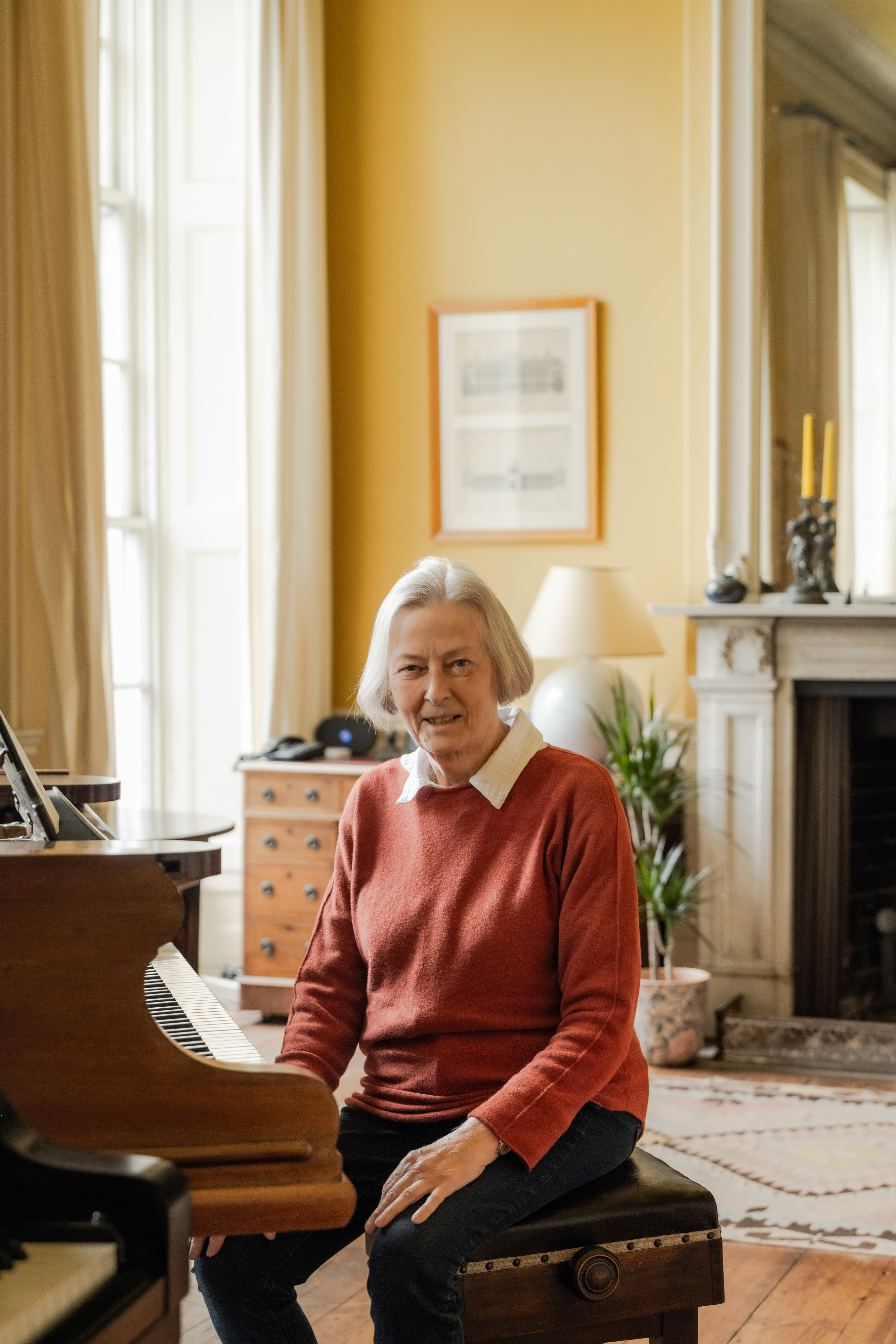
“Because it’s quite grand, people might think it’s not a good family house, but that hasn’t been the case at all,” says musician Lavinia Ferguson, who bought Windsor Terrace in the early 1970s with her then husband George who was later to become President of the RIBA and first elected Mayor of Bristol. Having initially moved to the city in the 60s to study music and architecture, they have stayed ever since. With the magnificent historic house now for sale, Lavinia and George reflect on their good fortune as its custodians – and on the palimpsestic charm, refreshing creative spirit and understated grandeur that makes Bristol so buoyant and brilliant ...

Homes / Interiors
words
Sophie Sims
photography
Paul Whitbread
A Private View: a magnificent Georgian home, at the heart of Bristol's most iconic view

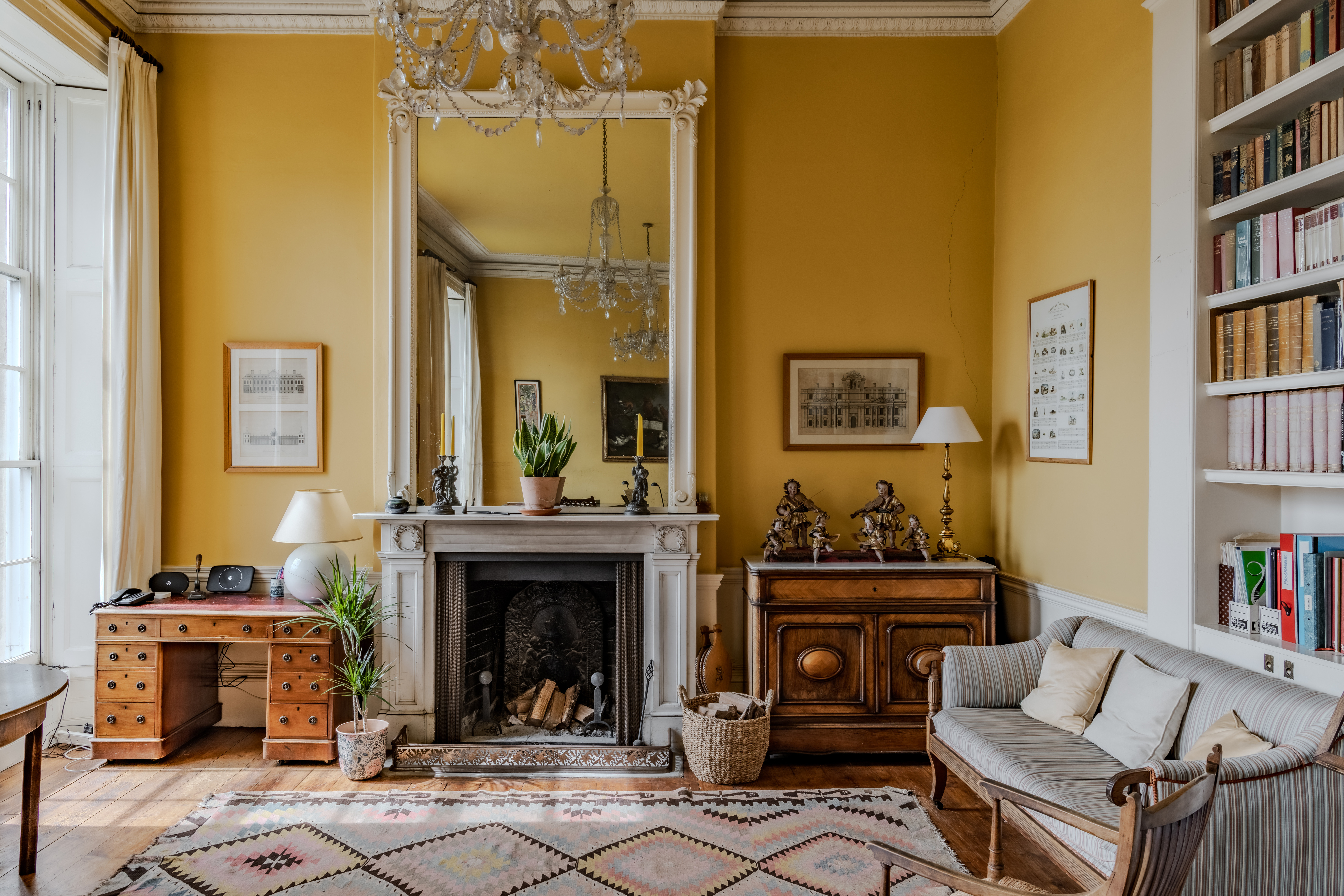
The architectural historian Walter Ison described Windsor Terrace as “the most fantastic of Clifton’s Georgian buildings,” though when George and Lavinia first bought it in 1971, this grandeur was definitely faded. It wasn’t until George, a newly qualified architect and historic building fanatic, began to uncover the original features that the sheer scale of its intact integrity was made apparent: “In the drawing room, we uncovered decorative plasterwork, and across the house, there were hidden fireplaces and virtually all the original joinery and plaster mouldings were here,” George recalls. “It’s very much as you’d have found it in the 1790s with a few added conveniences!”

“The house was developed by Bristol plumber, William Watts, who looked at Bath and thought, ‘Bristol can do better.’ He’d made a fortune by inventing a way of making lead shot by dropping it from a high tower. So he built the world’s first shot tower on Redcliffe Hill by taking the floors out of his house and extending a tower above, which must have been lovely for Mrs. Watts …
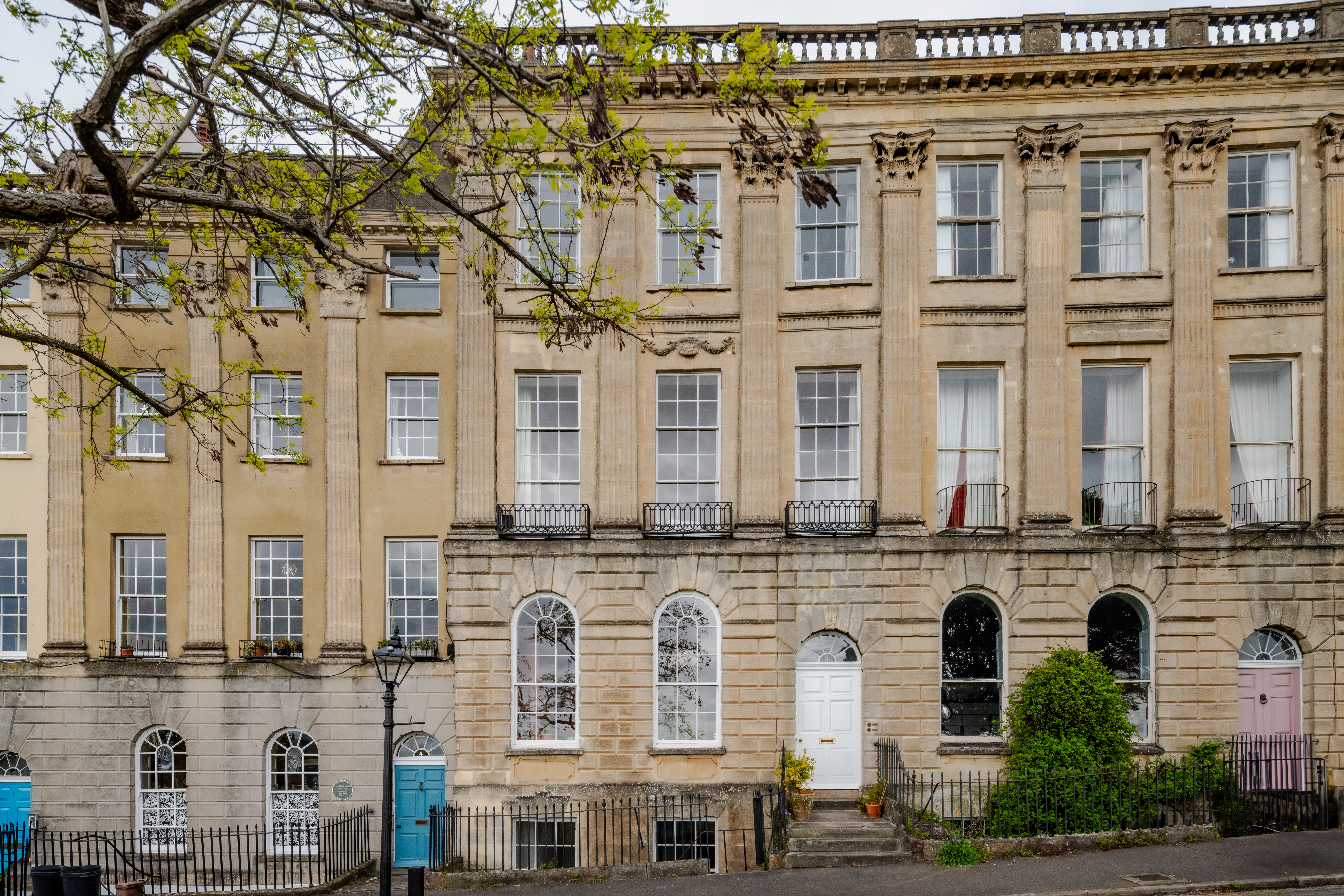
George explains: “He engaged the Bath based architect John Eveleigh, who designed Camden Crescent in Bath. And these were just two of what was to be a crescent of 20 houses – our neighbour has a drawing of the intended development – but he ran out of money. And so in the early 1790s, everything came to a grinding halt; you see that in various parts of Clifton.” The shells of numbers 5 and 6 were completed prior to his bankruptcy, while the adjoining ones were built after the Napoleonic Wars as a straight terrace, rather than the crescent, as originally intended.

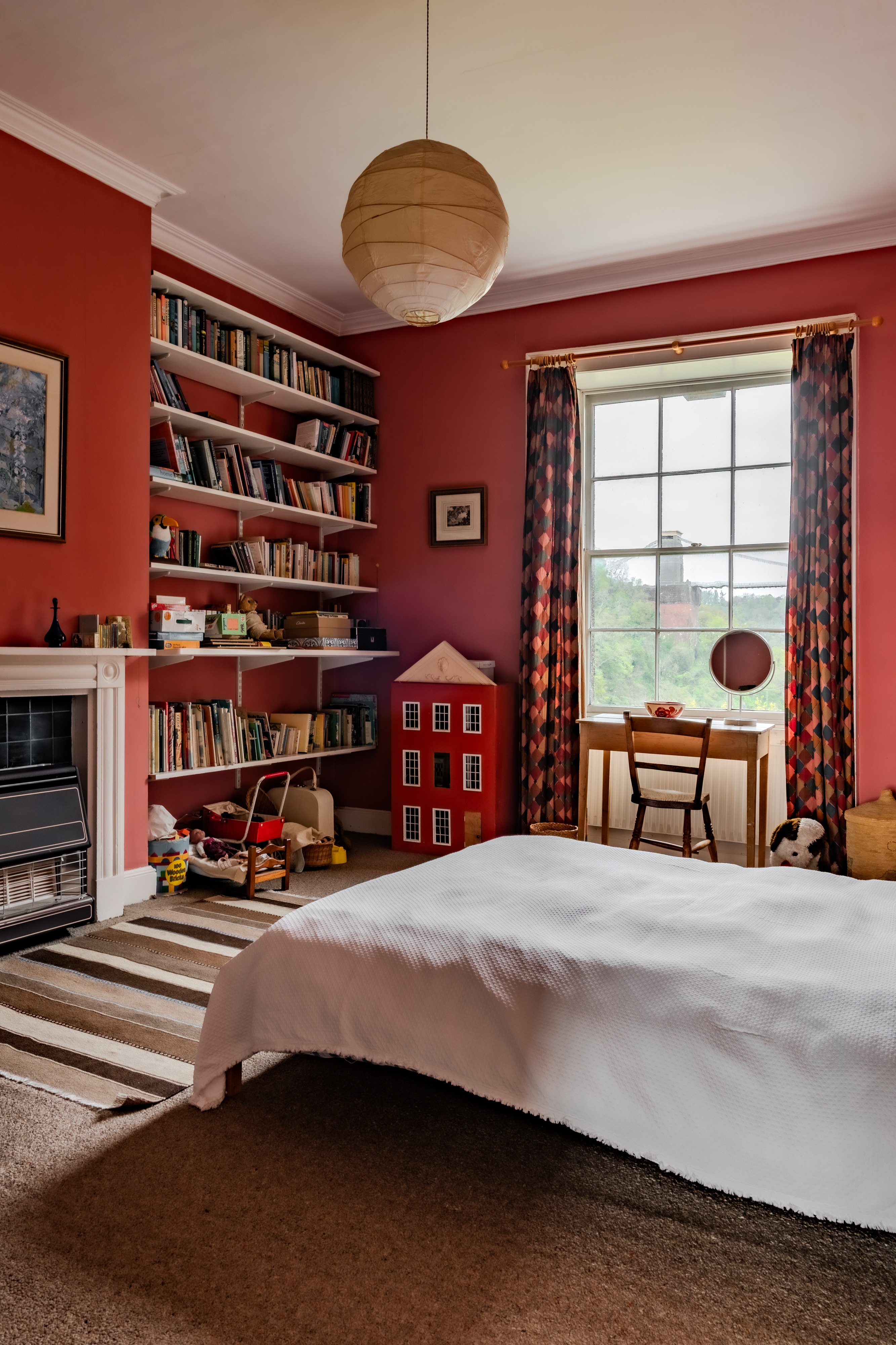
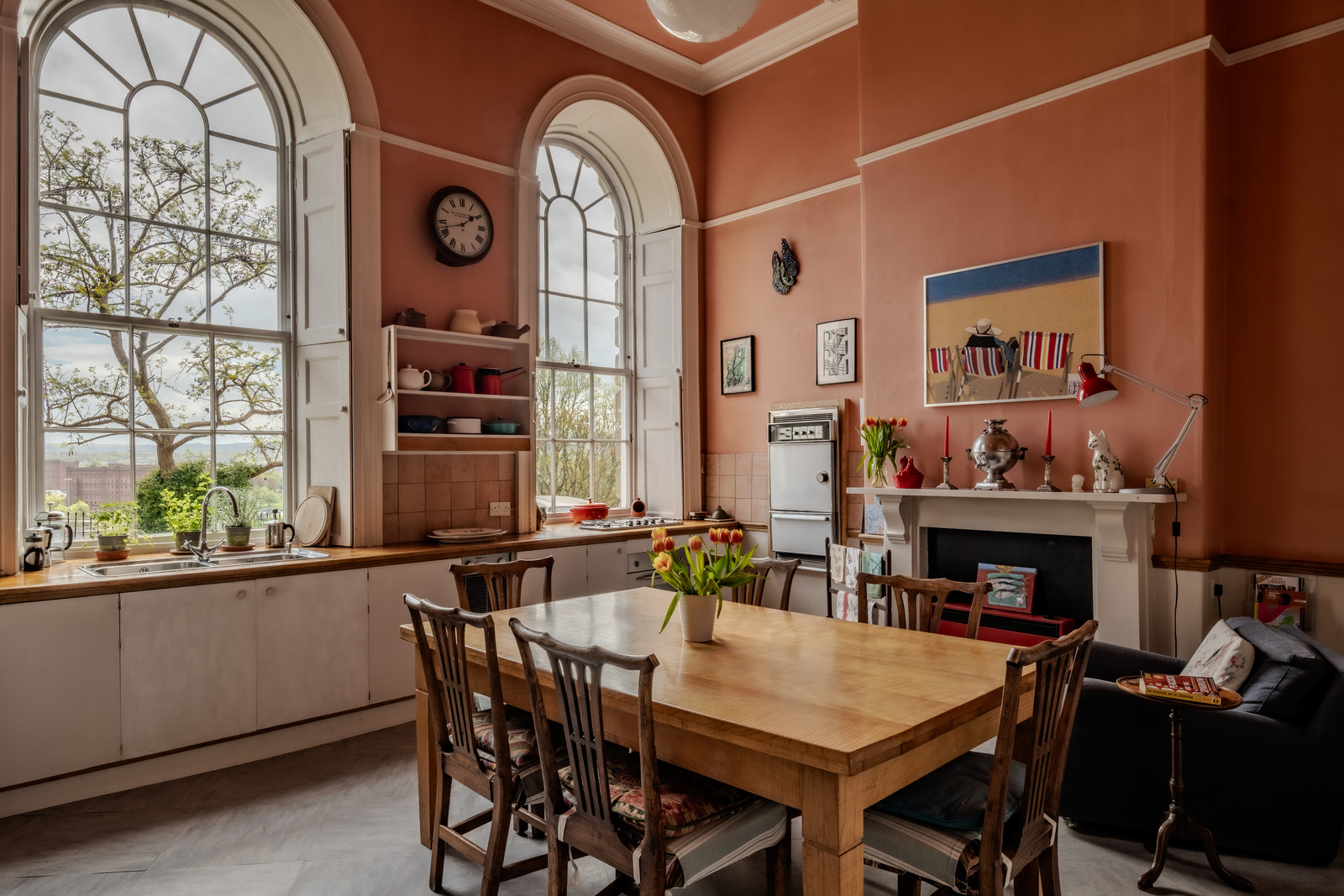
As is reasonable when faced with a house of some 6,000 sq ft and very limited funds, Lavinia and George took a piecemeal approach to the renovation, at first only doing up the rooms they used frequently. “George started his architectural practice here, in this room,” Lavinia says, gesturing to the kitchen, “while I taught piano in the room above.” It was later, with three growing children, that they decided they needed more space and developed the rest of the home: “It got to the point that our teenage son had his drum kit in the basement, and our teenage daughter had her bedroom as far away as possible on the top floor,” Lavinia remembers.

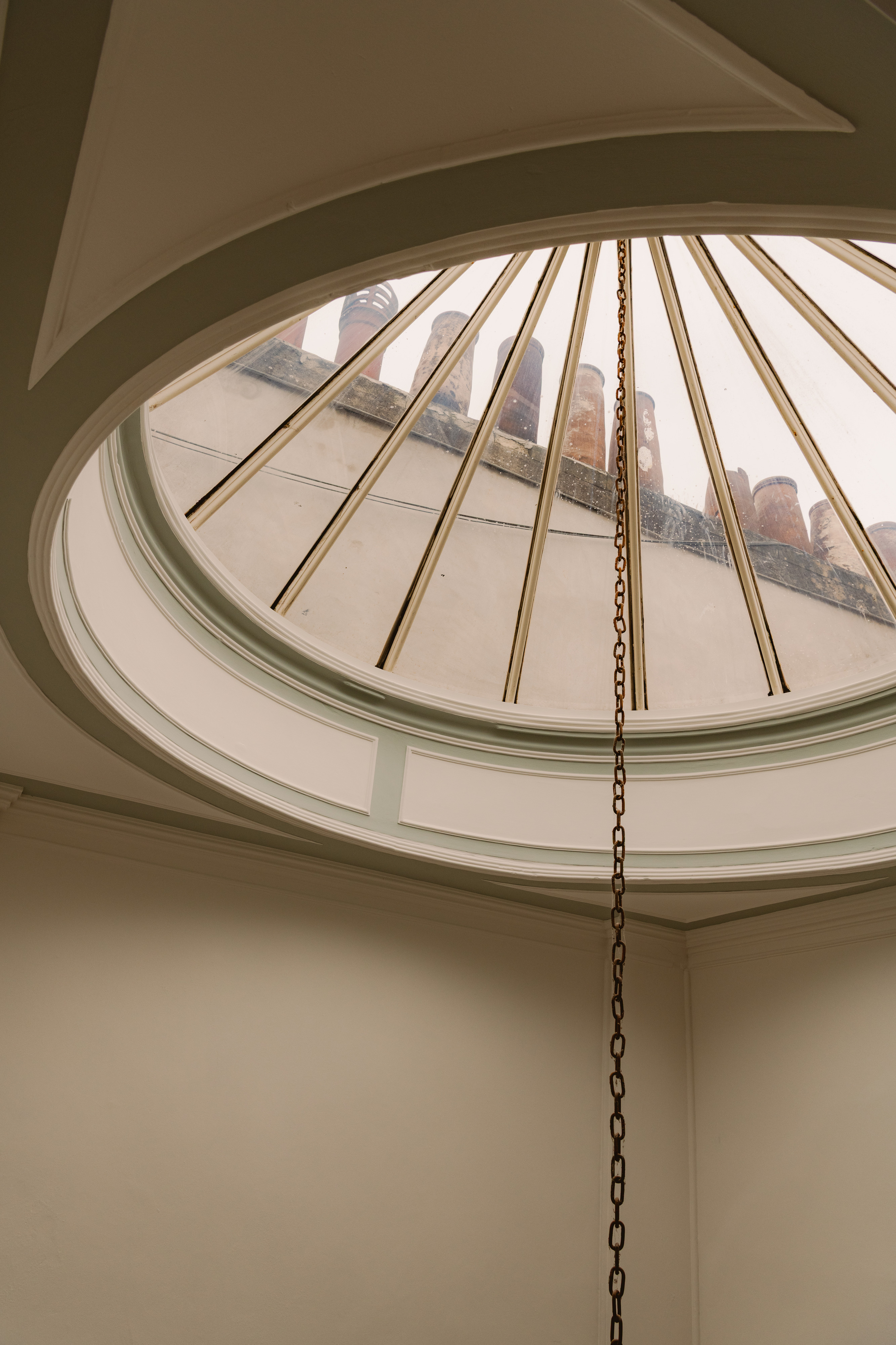
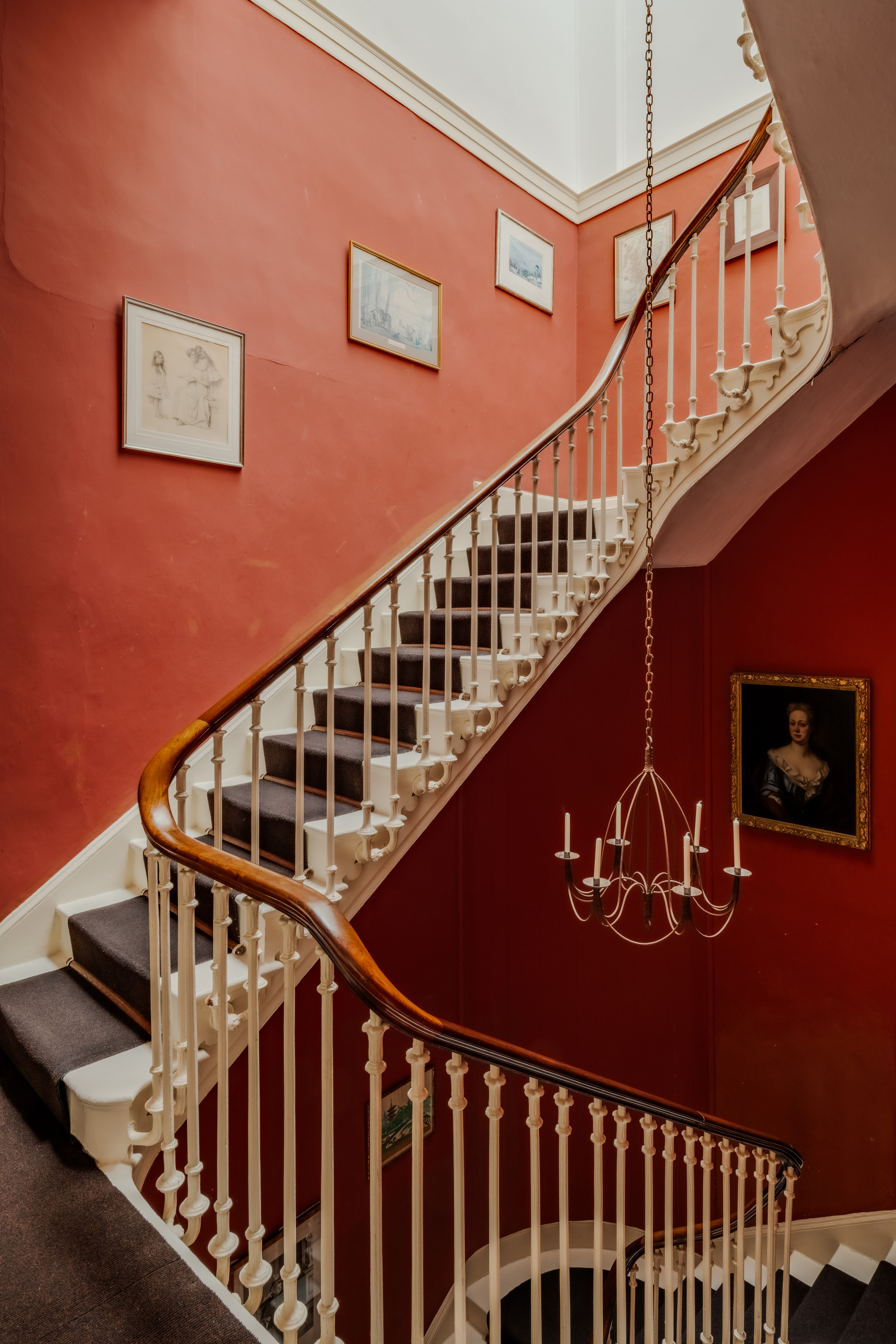
A painstaking restoration ensured that original features were returned to their former glory. “The thing I love most about the architecture here is the windows,” Lavinia states. “They’re amazing: George restored them and made sure they were exactly as they should have been.” One of the most impressive parts of the house is the large circular glazed ‘dome’ at its crown that allows light to cascade in down the stately central staircase which, as the pair laugh about, “was easy enough to bring two large grand pianos up to the first floor.”

The house was a labour of love, in part fuelled by Lavinia and George’s affection for Bristol. It was the “first real city” either had lived in: they moved here in 1965 for university, Lavinia studying music, and George architecture. “George got involved in the planning of Bristol right from the start, even when he was still a student. He has always been a champion of the city,” Lavinia recollects. “I thought I’d come to a good city, and they were trying to wreck it. It was post-war, they were thinking, we’ll build highways, urban motorways, and high buildings, we’ll fill in the docks and have lots of car parking. I was pushing in the other direction and saying, ‘Let’s make it a walkable city and make it good for young and old,’” adds George. Elected as the first mayor of Bristol in 2012, he put into practice his core beliefs around urban renewal and sustainability. These tenets have also been a key undercurrent of his work at the Tobacco Factory, a community hub with food, drink, theatre and art.

A genuine and fervent love of place permeates the house and our conversation. The house is embedded in the city’s fabric, its elevated position commanding far-reaching views over the adjacent Avon Gorge. Both George and Lavinia will stay in the city, joined by the return of two of their children from London and Edinburgh on account of a “love of the lifestyle” Bristol offers.

When asked about his hopes for the future of this home, George hardly pauses: “It’s not a building to carve up into loads of apartments, but it is a brilliant place to live and to work. I think the essential thing is to not be too clever with it … it’s clever enough already!”

Windsor Terrace, Clifton, Bristol

view listing