InigoInigo Logo

How My Garden Grows: Charlotte Molesworth’s ingenious cottage garden, grown for two

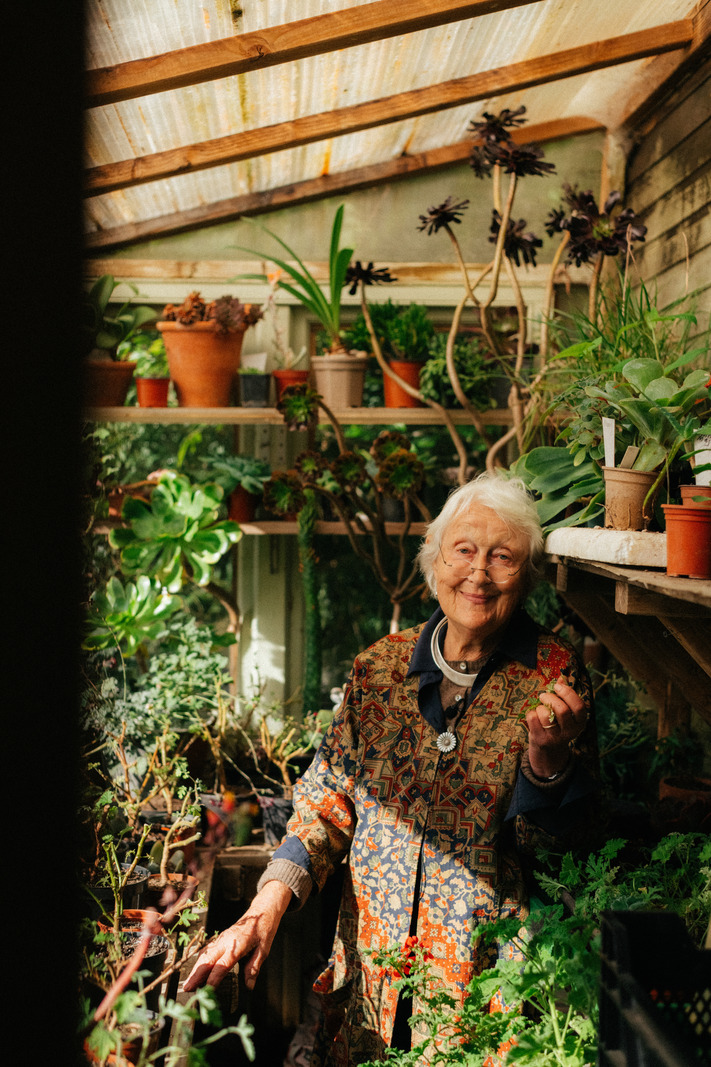
In the latest episode of the How My Garden Grows podcast, our host Francine visits Charlotte and Donald Molesworth’s extraordinary cottage garden in Kent, where lovingly-tended topiary guards an array of fruit trees, succulents and salvaged materials and objects collected over a lifetime. The result is an enchanting garden that inspires all those who are lucky enough to step through their garden gate ...

Homes / Interiors / Podcast
words
Francine Raymond
film and photography
Ellen Hancock with additional footage by Conor Higgins
How My Garden Grows: Charlotte Molesworth’s ingenious cottage garden, grown for two

A visit to Charlotte and Donald Molesworth’s garden is always a treat, especially when I can introduce others to this very special place. Started on a shoestring over 45 years ago, you’d imagine the garden had been in the family for generations, probably the result of a team of busy gardeners, and possibly to the ruin of several fortunes. Of course, the Molesworths have put their hearts and backs into this creation, but it’s their ingenuity that has given birth to its soul.

Combining Donald’s background in farming and Charlotte’s early career working behind the scenes at the Royal Opera House with the pair’s shared love of the natural world, you have exactly the right ingredients to make a fabulous garden. Bringing life to their surroundings with unusual finds and old industrial and agricultural pieces has been a pleasure, although Charlotte admits that nowadays exciting finds are rarer, and would definitely be more expensive to buy.

Going shopping is not the Molesworth’s first reaction to fulfilling a need: “Buying just doesn’t come to mind” says Charlotte. “People pass things on: our slate dining table was stable flooring in a past life and stands on old gatepost legs; sinks make great planters and galvanised dustbins are just the right home for potting compost or chicken feed.”
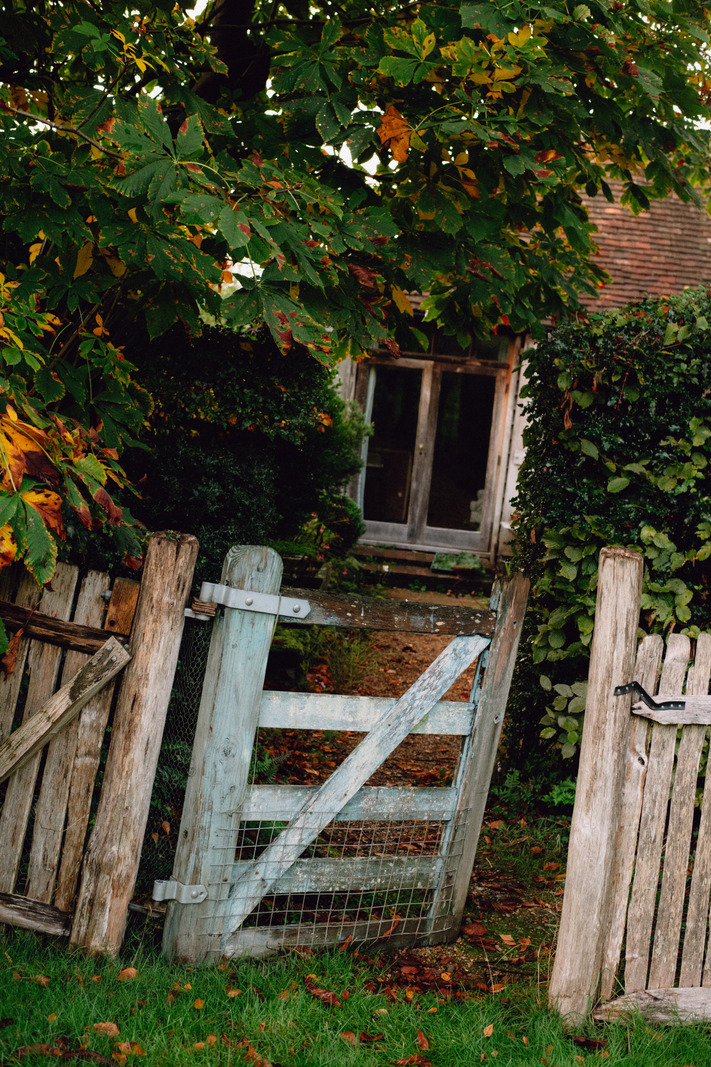
A list of most gardeners’ outgoings would include seeds, plants and compost. Here, interesting seeds are hallmarked early in the year, collected when ripe before the weather spoils them, then squirrelled away into brown envelopes and stored in ventilated drawers lined with fine wire mesh to deter mice.

Plants are raised from seed, cuttings and division and become a currency to barter with, to give as presents or sell for charity. And anything left over is composted: weeds, old clothes, cardboard, plus kitchen, garden and animal waste in layers. First a green growing layer, then one of manure – either sheep, poultry or donkey (“the best”, says Donald), then a brown layer of straw bedding, shredded paper and card. All is left to mature for a year in bins made of wooden pallets or skip-found corrugated iron panels and covered with “someone’s leftover pond liner”.

With such imagination, a redundant tennis court soon becomes a fruit cage, citrus waste barrels are transformed into water butts, and a metal pigswill boiler is turned into a plant container (now home to Japanese forest grass Hakonechloa macra ‘Aureola’). Nothing is wasted. “Someone else may need it if you can’t find an immediate use for it. In some ways it’s horrifying what people throw away; in others, it’s wonderful,” says Charlotte.

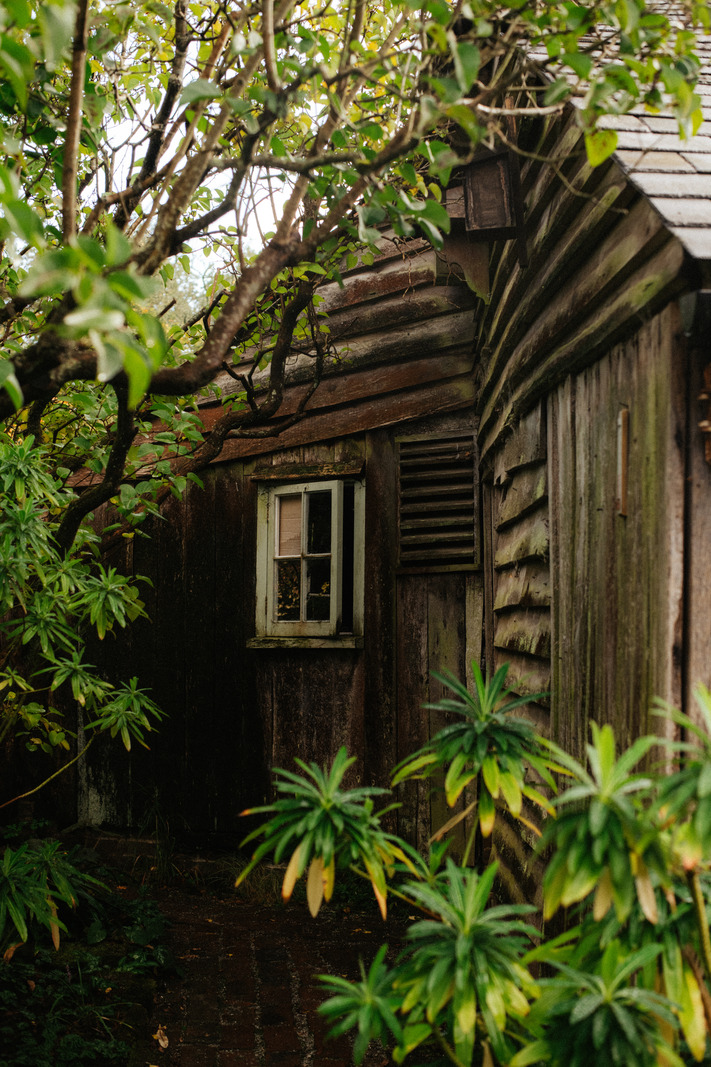
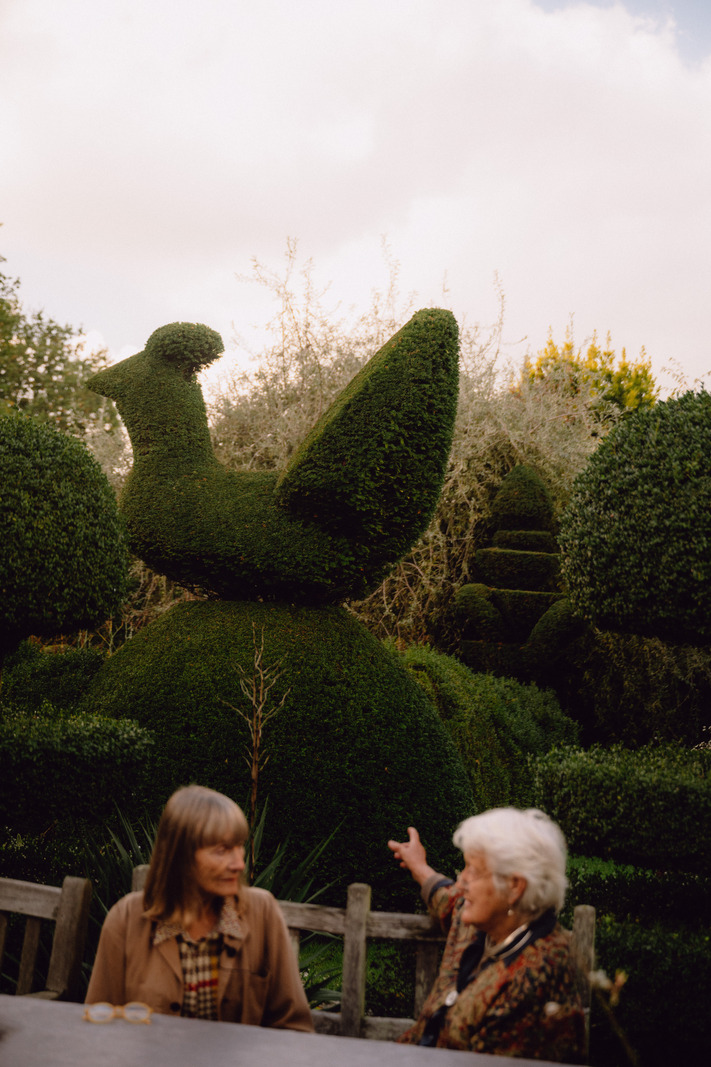
The Molesworth’s garden has, over the years, been home to a menagerie of animals and is well-known for its characterful topiary, grown from yew seedlings that were given to the couple as wedding gifts. (The pond was another kind present.) Another of the most charming features in the garden started life elsewhere as a swimming pool changing hut and is now transformed into a cottage orné/summerhouse. The doors came from a friend’s redundant conservatory, and Donald decorated the ornate fascia with stag’s horn oak branches that weather as strong as iron. Having spent a rather chilly summer’s night there, I can recommend it.

The Molesworths are happy to share their garden with the public at the drop of a hat, for charity: opening for the National Garden Scheme, and recently to raise money for student bursaries at nearby Great Dixter. Charlotte also exhibits her paintings, which often exquisitely portray her garden and its plants, showing along with groups of other artists and makers.

Garden Clippings

Charlotte has several enviable collections of tender potted plants, so this time of the year can be nail-biting as she keeps an eye on the weather forecast. A drop in temperature means a move for the plants to somewhere frost-free – here to a homemade airy greenhouse made from a mish-mash of rescued doors and windows and lined with bubble wrap, or into their ancient polytunnel, discovered derelict on the roadside by the A21. Its supports are buried deep to give a lower profile, and the doorway has rabbit-proof gates.

  • Scented pelargoniums are brought in under cover first and clipped back to about 4 inches/10 cm, so all their foliage is removed. Check regularly throughout the winter, removing any new growth. Open vents, windows or doors a little on mild days. Take cuttings from prunings for new plants.
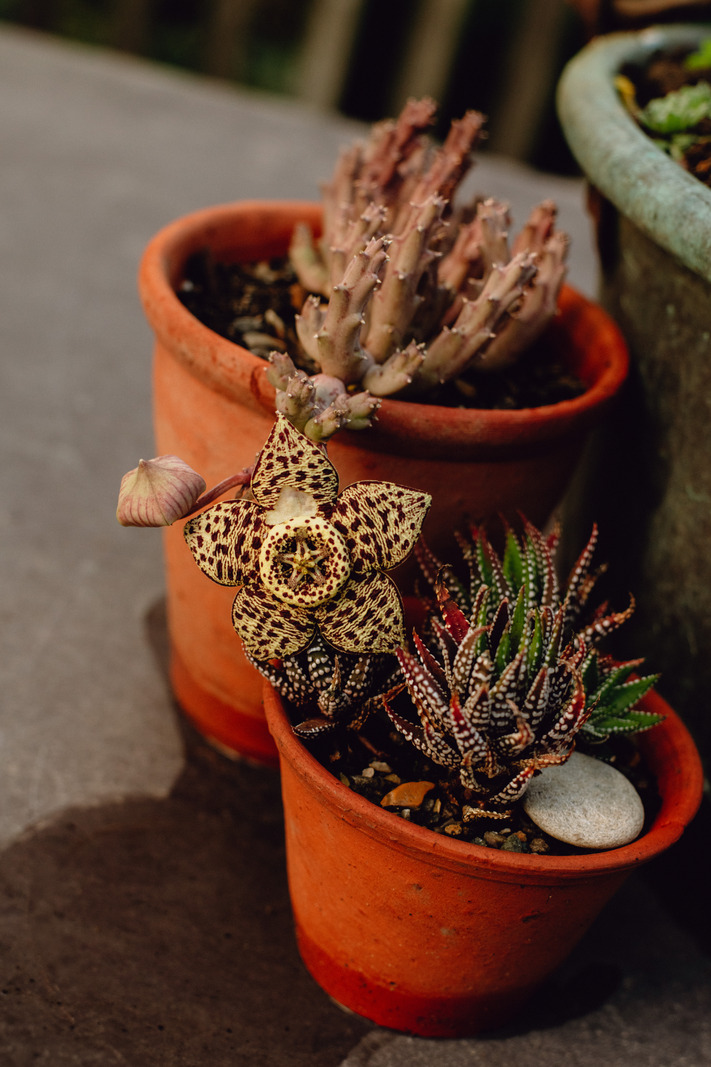
  • Tender succulents should be brought into a cool greenhouse with dead leaves removed. Keep dry until spring, then gradually start to water and shape, keeping offcuts to strike new plants after leaving stems to callous over for a few days. Aeoniums still need gentle watering every six weeks over winter.
  • Hardy succulents hate winter wet, but don’t mind the cold, so can be kept under a table or bench in a sheltered spot out of the rain.

Further reading

Follow Charlotte on Instagram; read more about Charlotte and Donald’s Victorian cottage on the Almanac

How My Garden Grows: episode 11

listen here