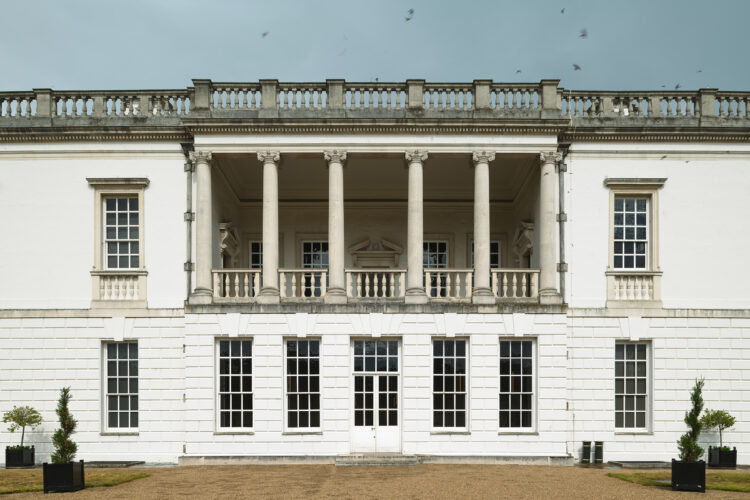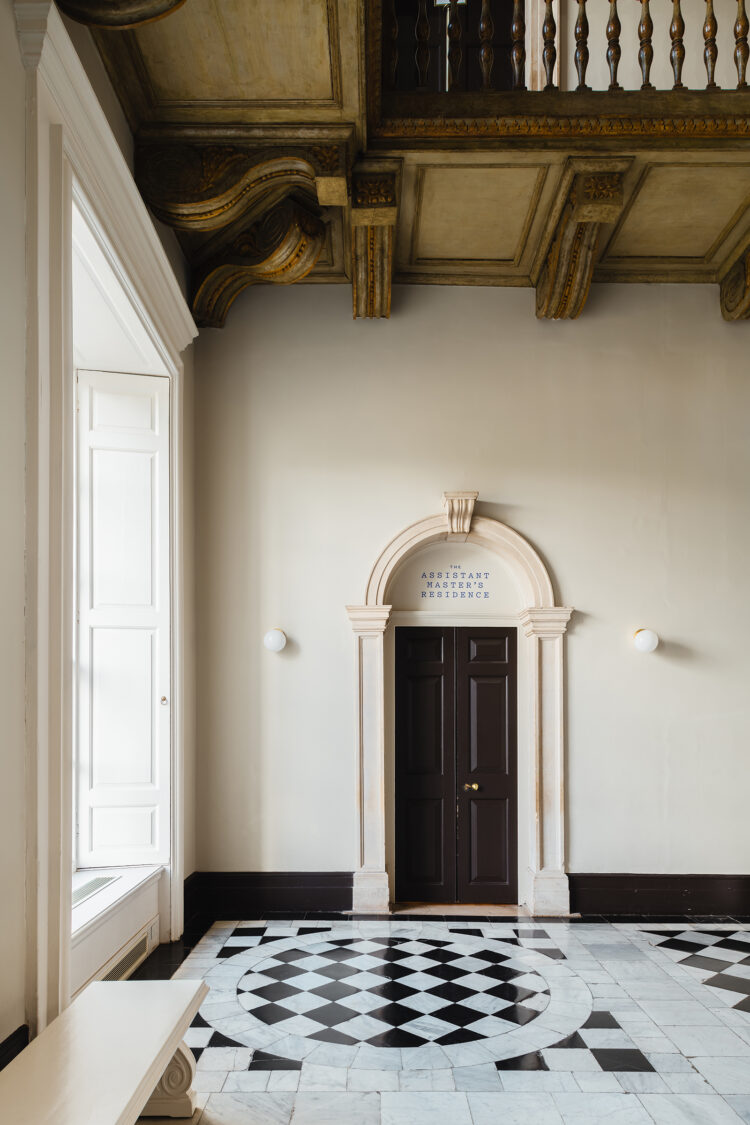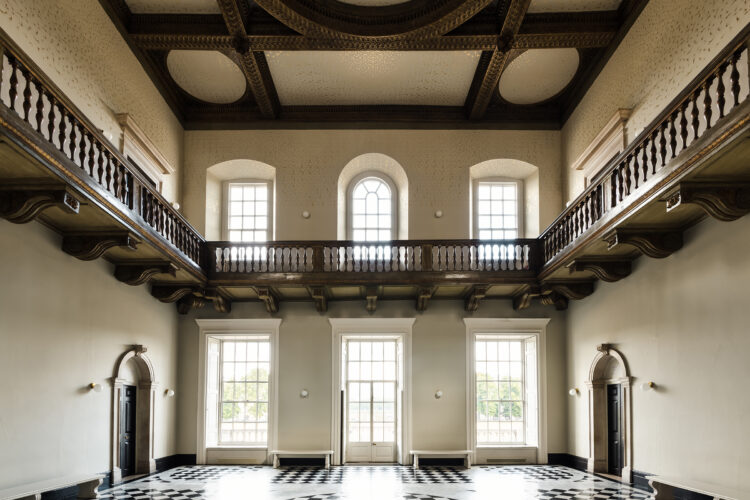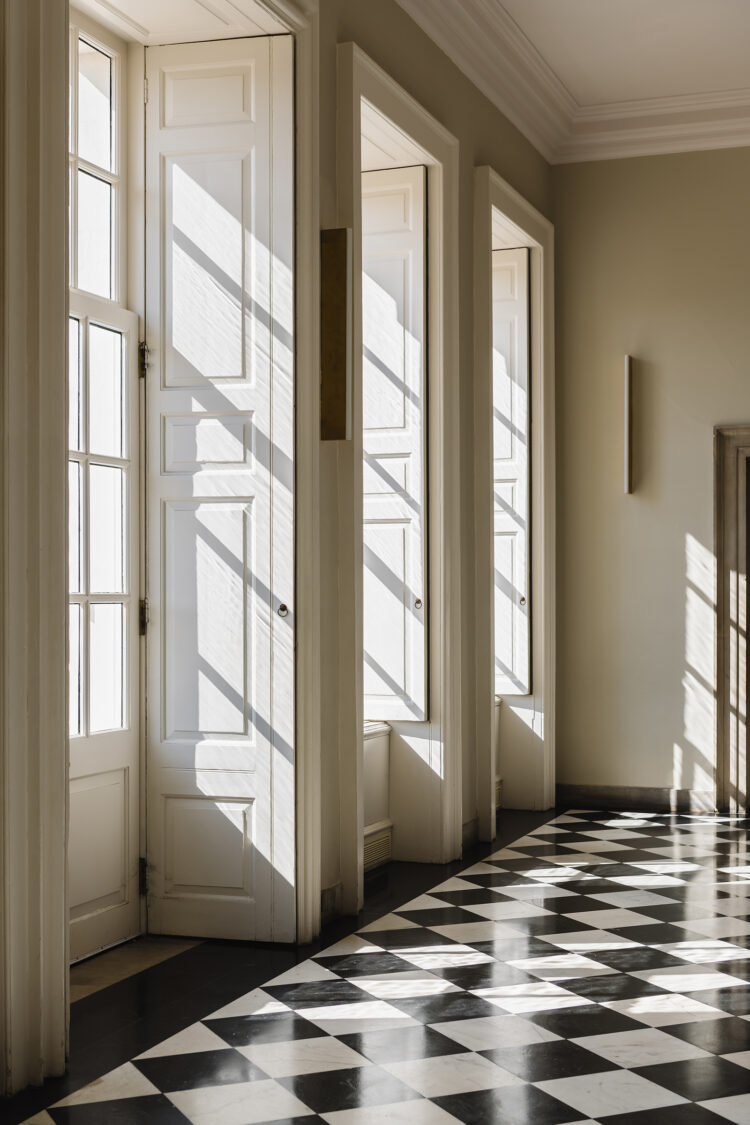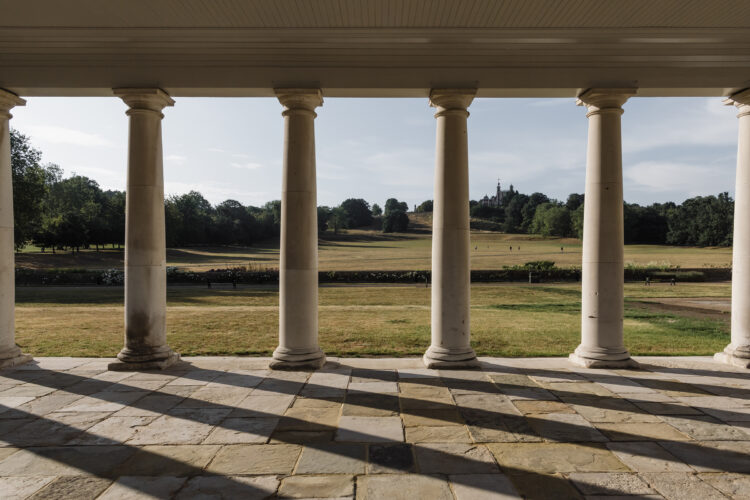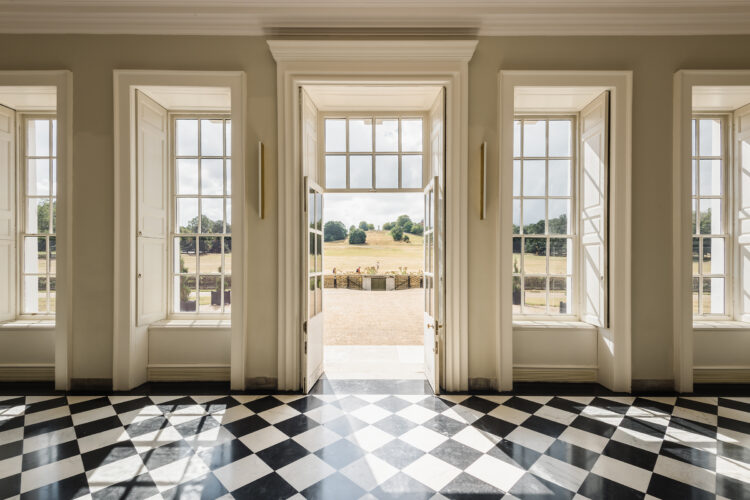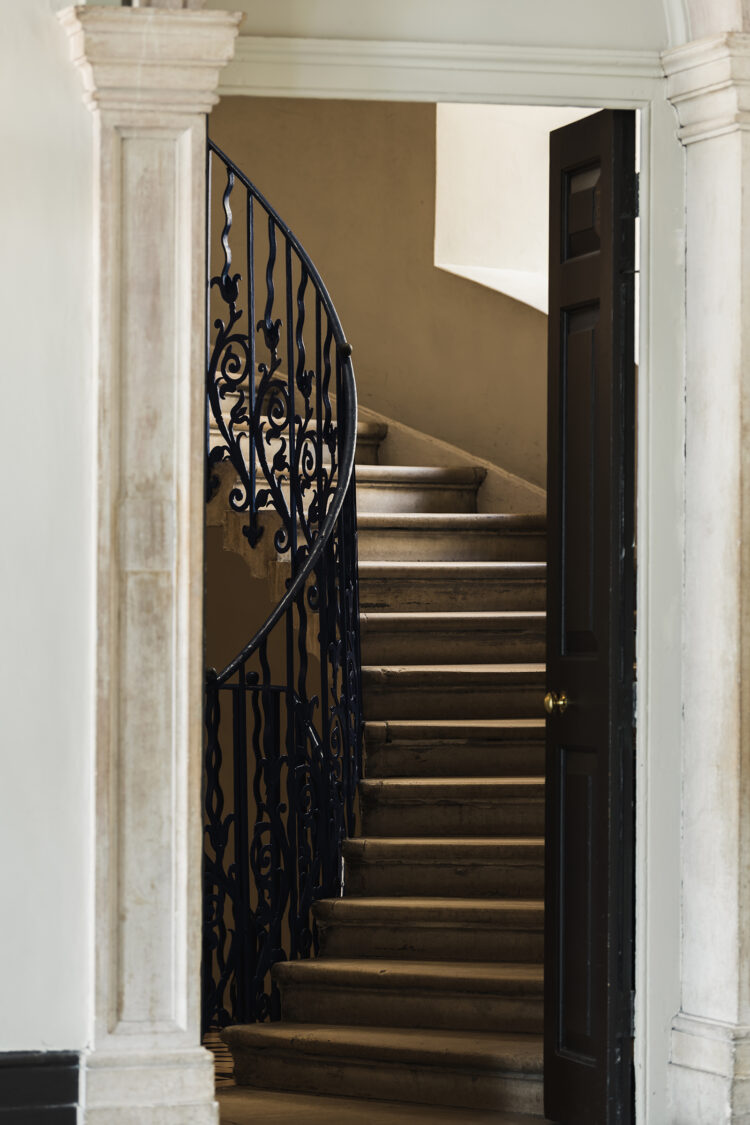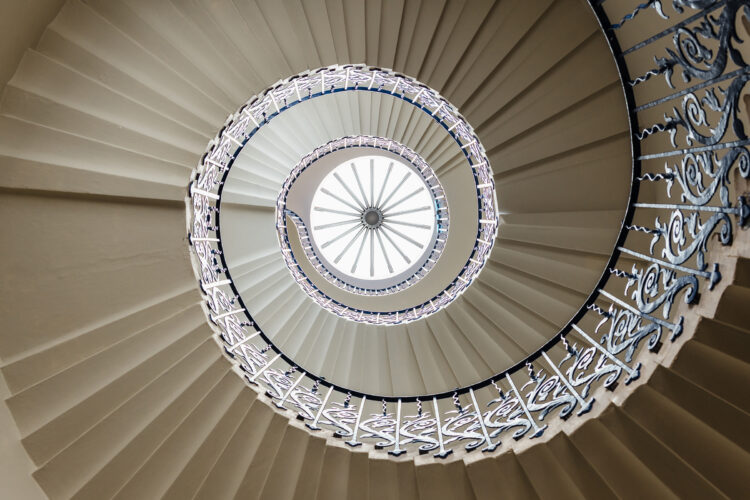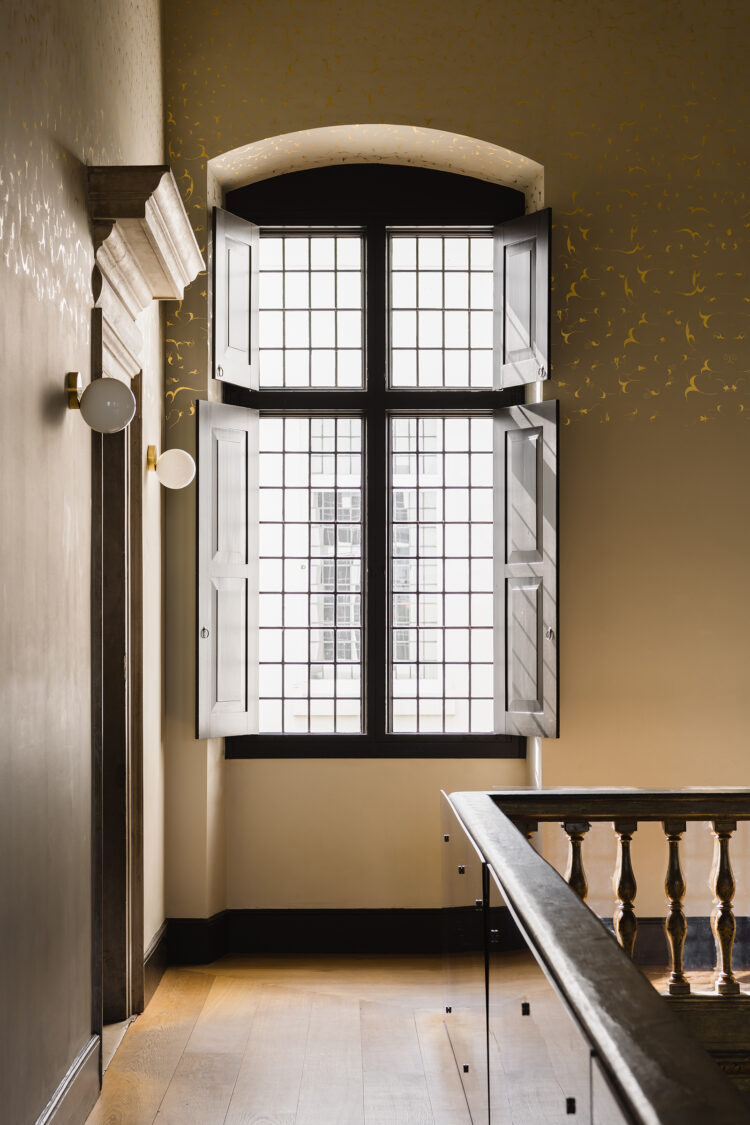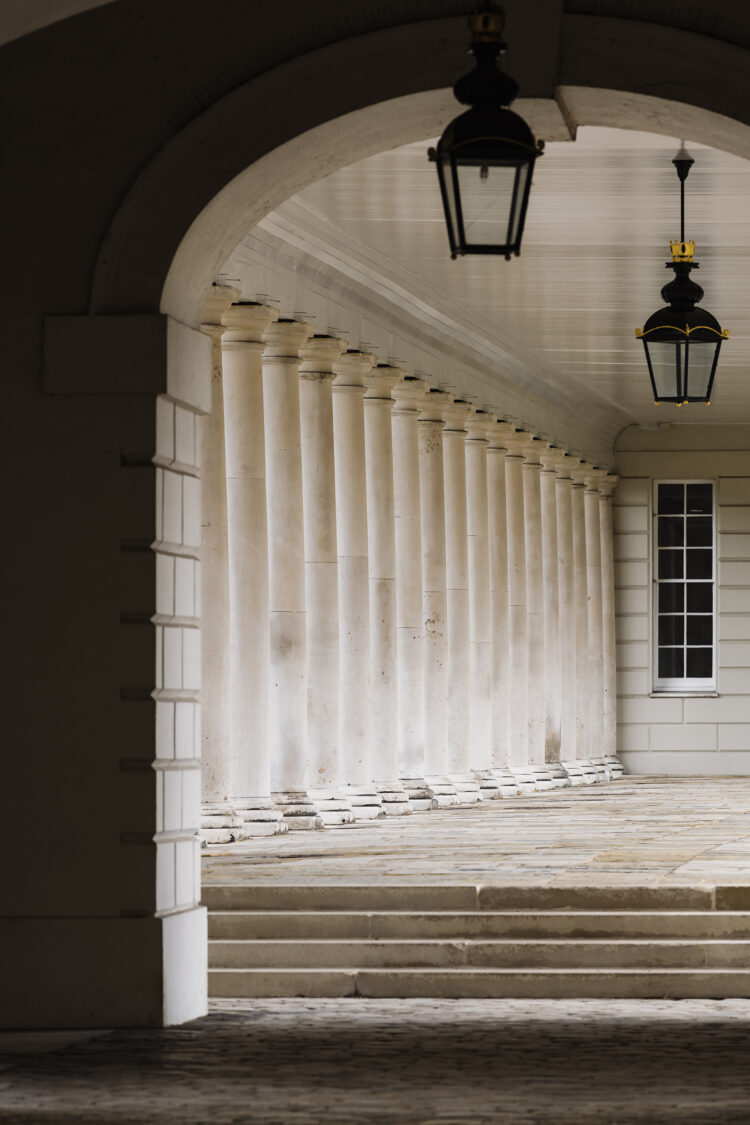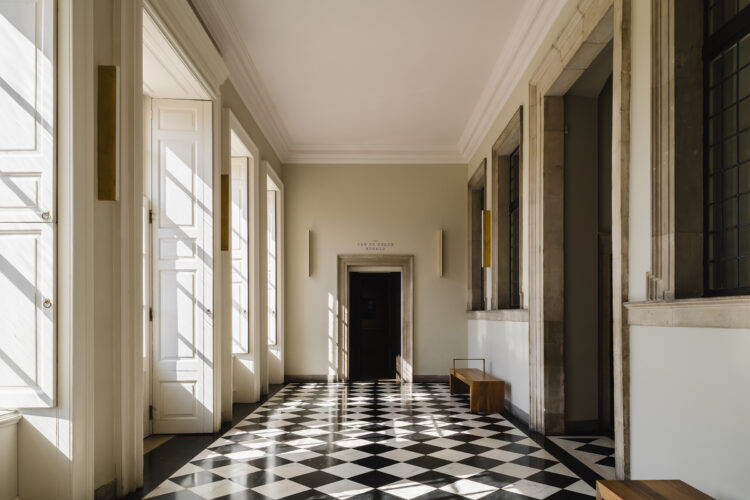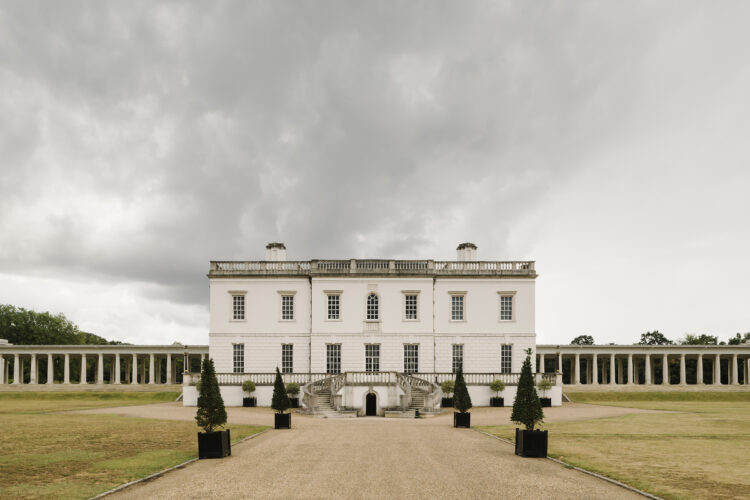



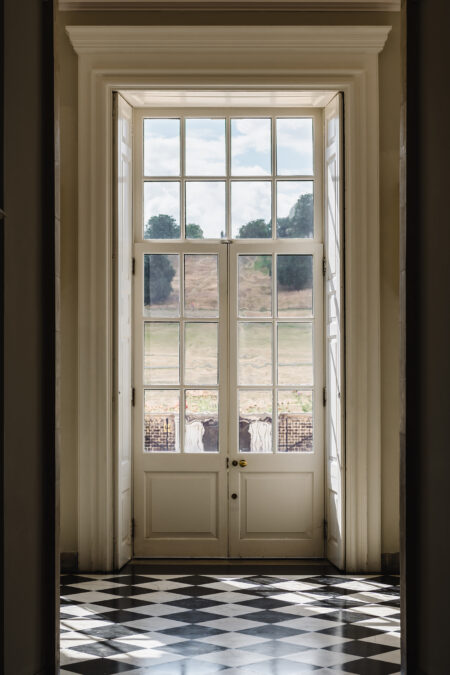
Sunlight pouring onto dazzling geometric patterns, brilliant white colonnades casting rods of shadow across antique flagstones, a swirling vortex of a staircase. The Queen’s House in Greenwich is something of an overwhelming architectural experience. To enter it, in the 21st century, is to suddenly find yourself adrift from temporal reality.
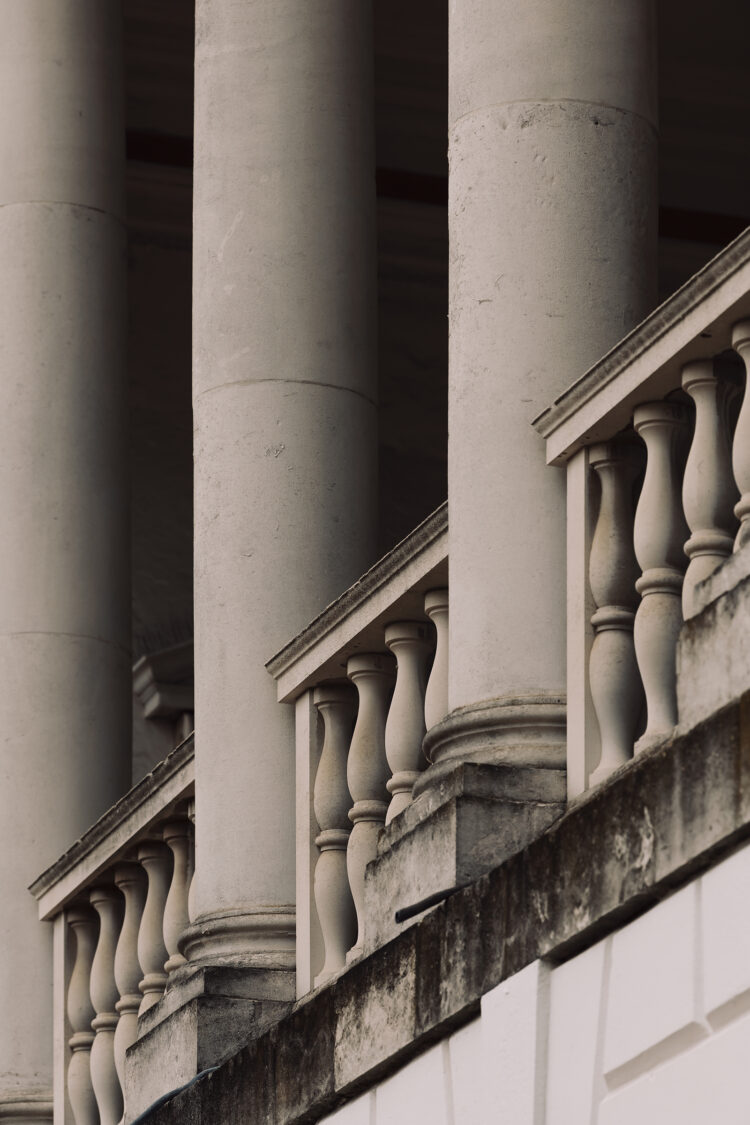
“Timeless”, of course, is a word that gets thrown around a lot nowadays. But in the case of the Queen’s House, it’s not just appropriate, but accurate, in the sense that it the Queen’s House has never been of a particular period in time. When the building was commissioned in 1616 its design was simultaneously ancient and shockingly futuristic. Inigo Jones – this country’s first great architectural genius and a man of fathomless resourcefulness and energy – had just returned from a grand tour of self-education in Italy, where he immersed himself in the orders of classical architecture and the geometrical precepts of Andrea Palladio. When King James I tasked him with creating a summer residence for the Queen, Anne of Denmark, Jones set about creating for her a Roman opus by the Thames, complete with Ionic loggia, Doric colonnades and four perfectly symmetrical façades. The Queen’s House was the first consciously classical building in Britain and its very antiquity was astonishingly ahead of its time (it would be another century before the great Georgian neoclassical movement, directly influenced by Inigo Jones, began).
Alas, Anne died years before the building was finished in 1635 and it was Charles I’s consort, Henrietta Maria, who inherited this strange new masterpiece. The clean lines, fluted columns and bright Portland stone facing were utterly unlike the rambling redbrick royal houses of Tudor England. To Henrietta Maria and her ladies, ‘The White House’ – as it quickly became known – must have seemed otherworldly.