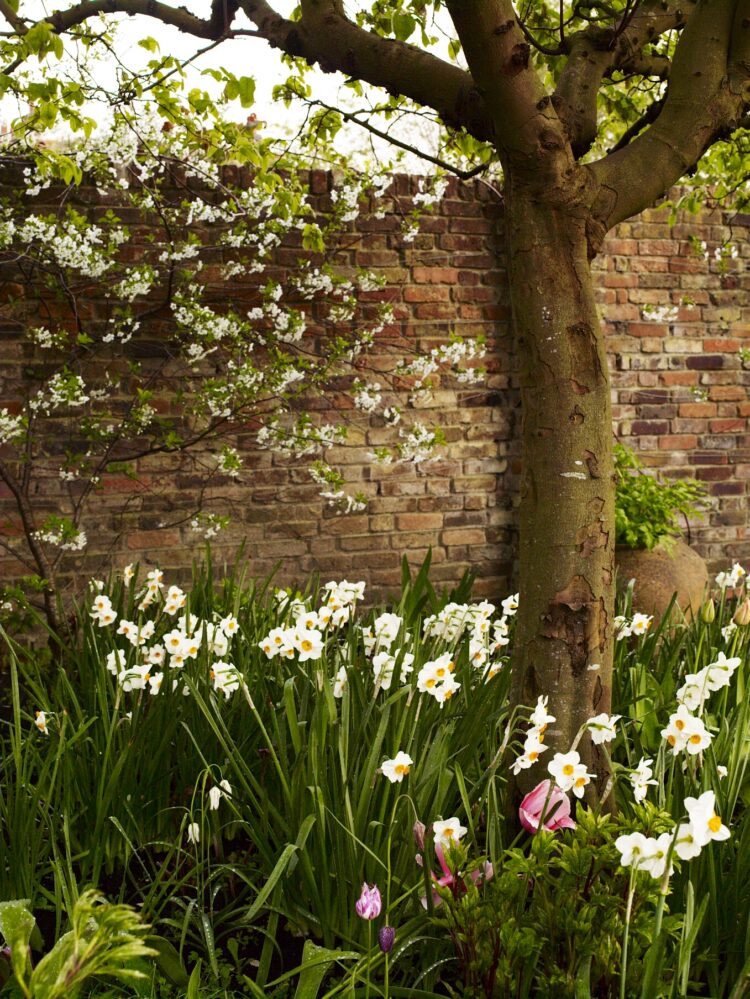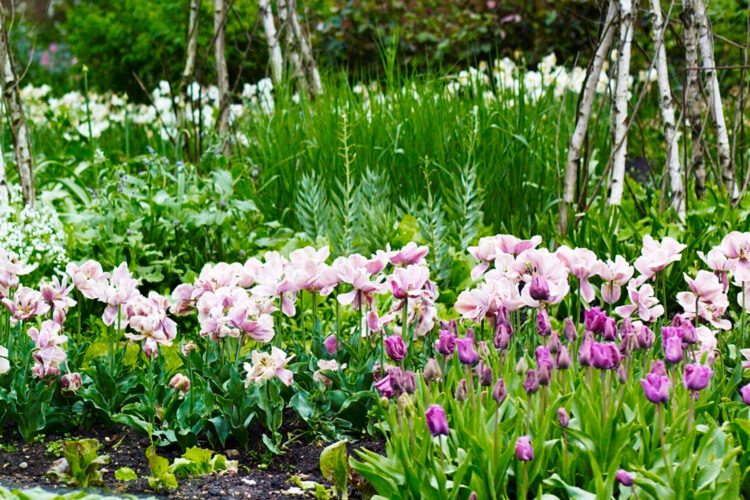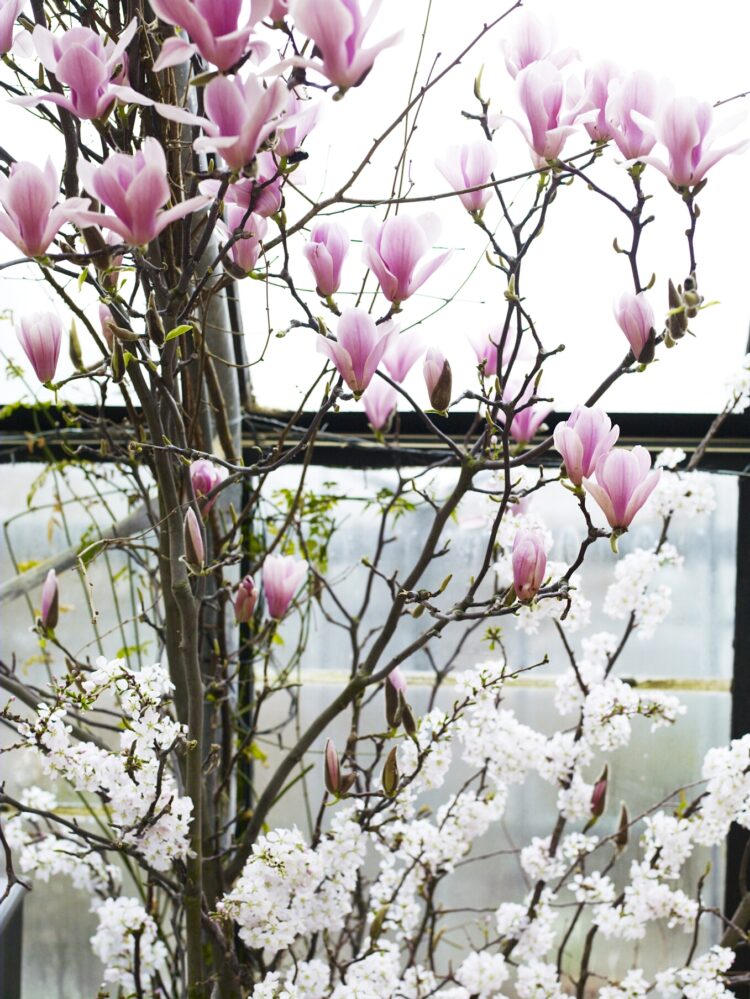



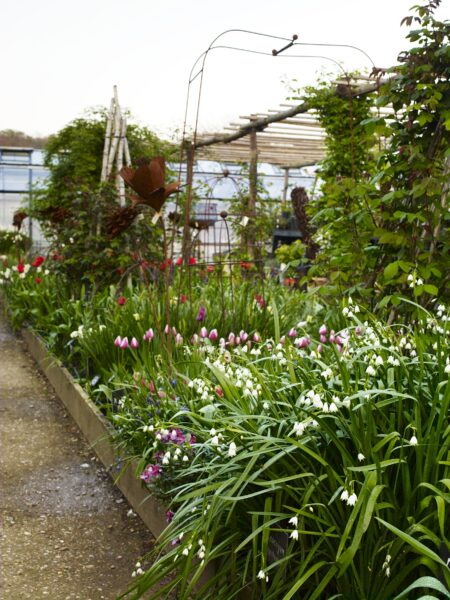
Often I’m informed that spring is one of the most difficult seasons to plan for, yet it is probably when most of us first start to think about our gardens. In an ideal world you will have already chosen and placed your order for spring bulbs way back last summer, and then planted out during last autumn, and by now they’ve already started to pop up above the winter snow. But if this isn’t you, don’t be put off. You can still have a beautiful spring garden, even at this late stage. At your local garden centre you will find plenty of pre-potted bulbs in containers full of daffodils, tulips, hyacinths and more – the list is endless. But there’s much more to a spring garden than flowers: from blossoming trees to pretty flowering shrubs, there are so many ways to brighten up your outdoor space. Here are a few simple ways to make it happen.
Define your needs
Understanding the aspect of your garden is a good place to start when planning your spring garden. Think about how you use the space and decide if a beautiful blossom tree in a spot you have identified might also be a good place to sit in the dappled shade later during summer. Sometimes spring shrubs can look a bit uninspiring once they have finished flowering, but they will look fabulous entwined with shrubby flowering clematis, and this makes for a display that will last all summer. Or perhaps all you want is an instant spring vibe: therefore simple groupings of pots or containers filled with spring flowers will suffice.
Embrace colour
At Petersham Nurseries we welcome colour in all its glory, ushering in early spring with sorbet colours, soft shades of yellow and pink, and going darker and richer as the season progresses. We finish up, in late April/early May with the vibrant and crazy colourways of the fabulous tulips, especially the parrot varieties. But you don’t need to overthink this: instead take nature as a guide and you’ll find yourself following a similar scheme.
Maximise fragrance
Spring and fragrance just seem to go hand in hand: making a positive decision to include scented varieties into your garden will immediately transform how you feel about it. Imagine the delicious spicy fragrance of shrubby daphne odora or the honey-like scent of clematis armandii resting against a sunny wall. Other fragrant plants to consider are sweetly scented viburnum carlesii and the pretty heady lilac bush syringa. Philadelphus – mock orange – is another must-have plant in the garden. Select a couple of successional varieties such as the tree-like “Virginal” or the much smaller hanging blooms of “Belle etoile” and you’ll have this wonderful scent filling your garden for months on end.