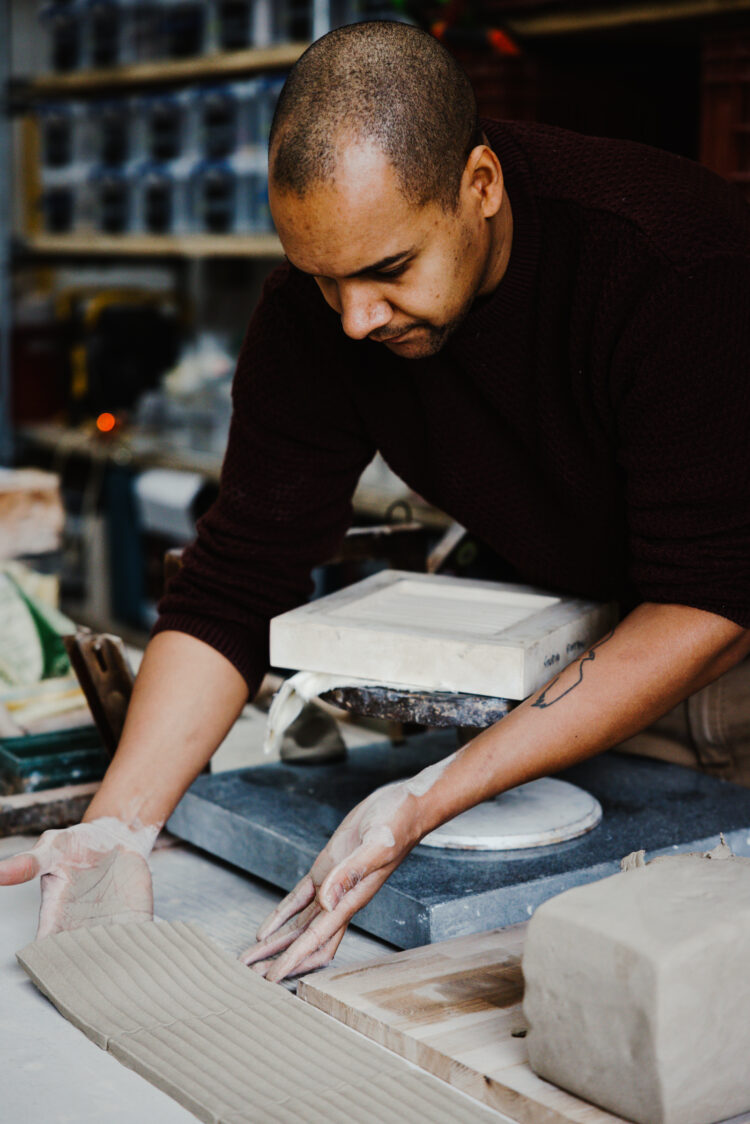



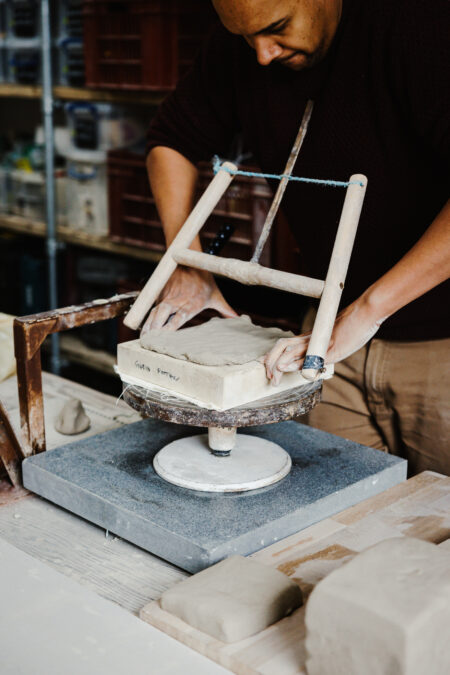
In the second instalment of Inigo’s new series with The New Craftsmen, the Surrey-based ceramicist explains how the humble tile offers him both job satisfaction and a connection to the past.
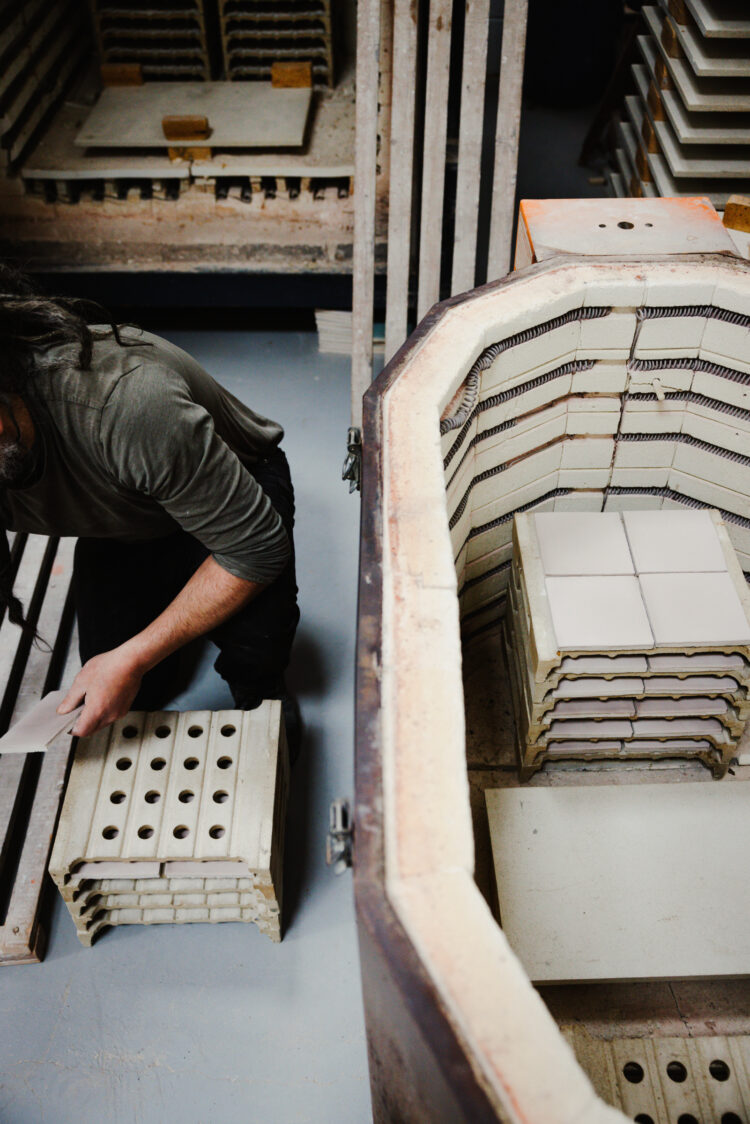
“It’s just a bag of mud, but it has infinite possibilities,” says Rich Miller, the creative force behind Froyle Tiles – a company that has become famous over the past 40 years for its beautiful handmade tiles, crafted in its workshop in the small village of Hambledon in Surrey. “When you’re done, there’s something about the permanence of your work which is deeply satisfying.”
Born in Devon, Miller – who you might recognise as the most recent addition to the BBC’s Great Pottery Throwdown judging panel – first became interested in working with his hands while accompanying his mother to sugarcraft classes as a child while his father was away with the military. It was during his time at school in West Sussex that he developed a love of both history and ceramics, leading him to turn his interest in the craft into a career.
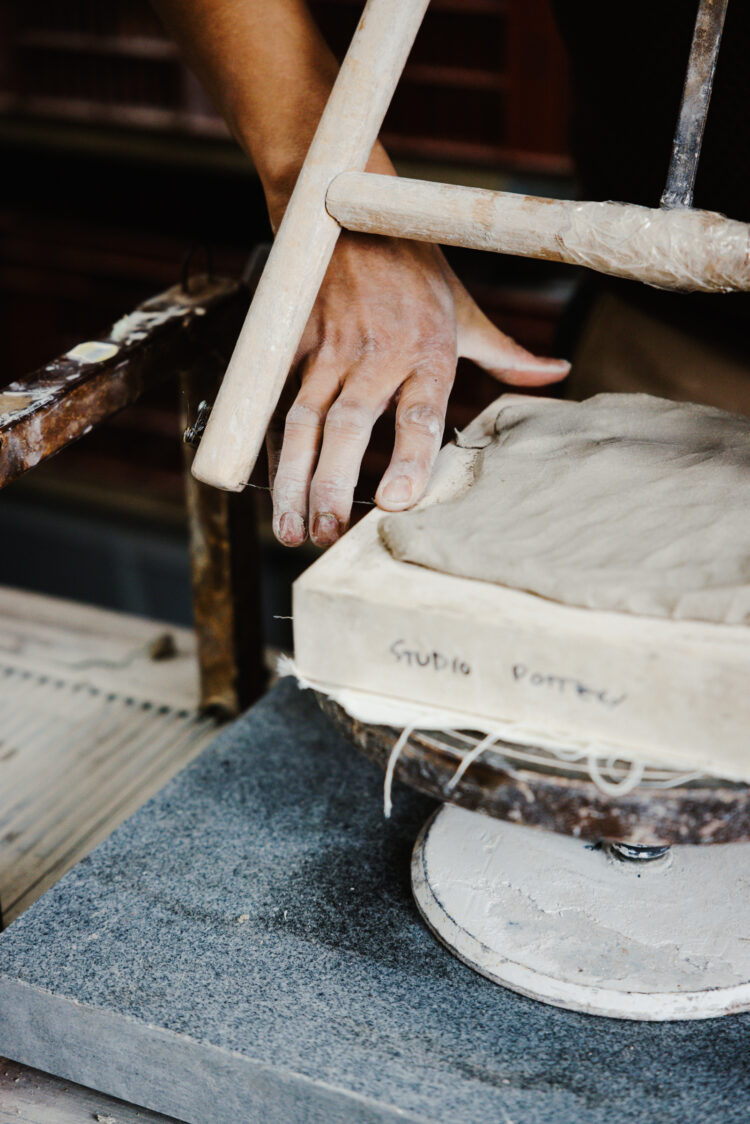
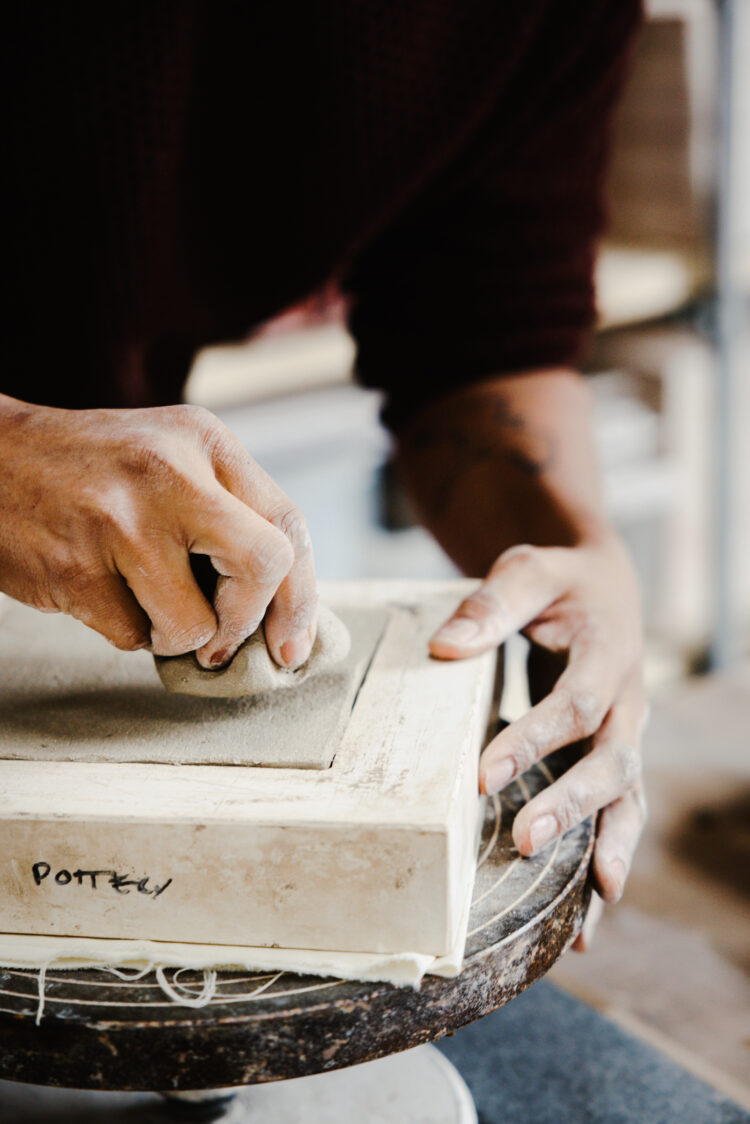
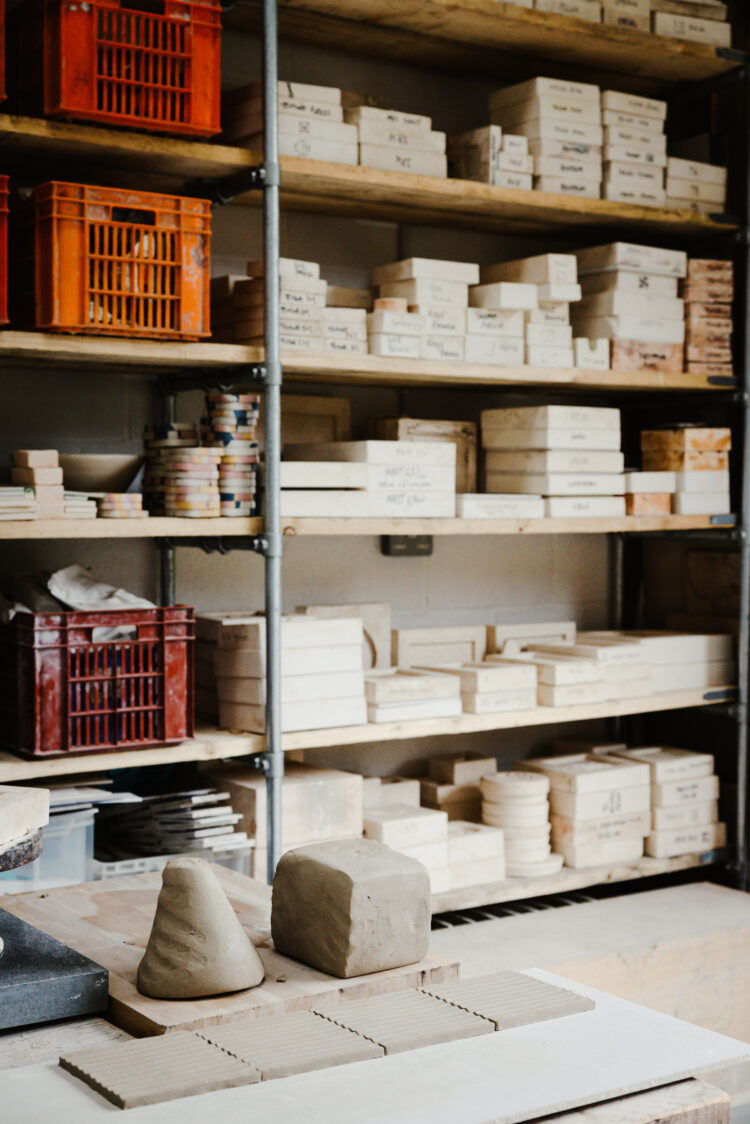
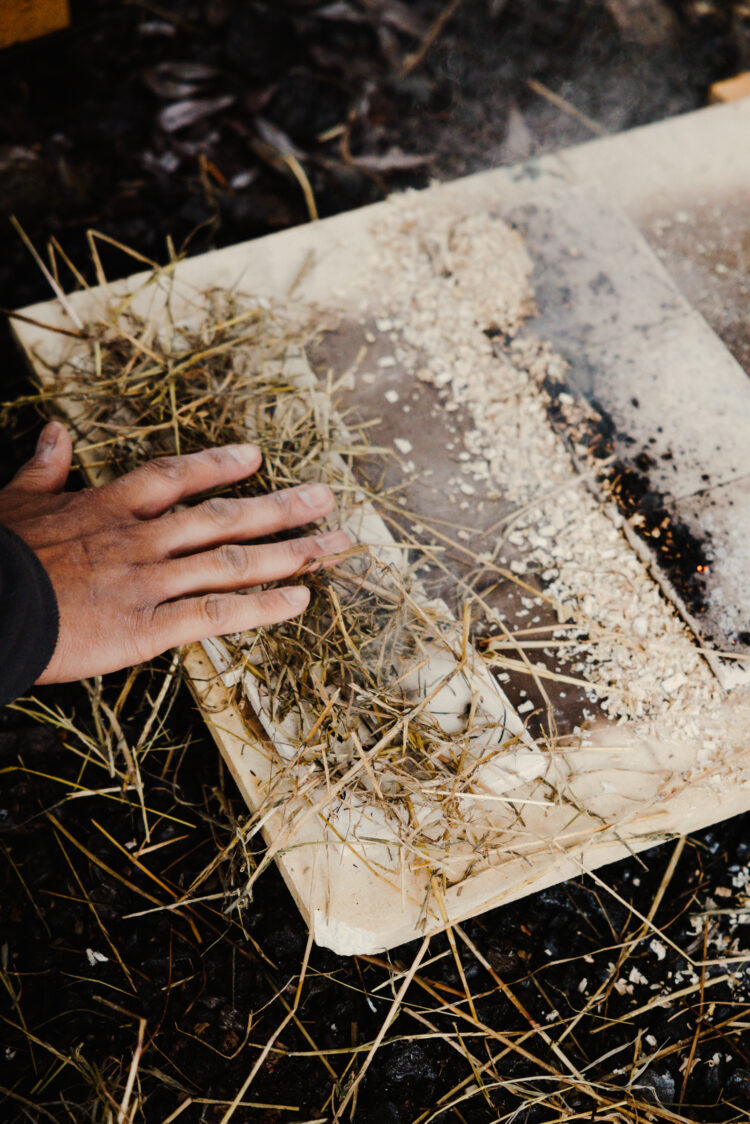
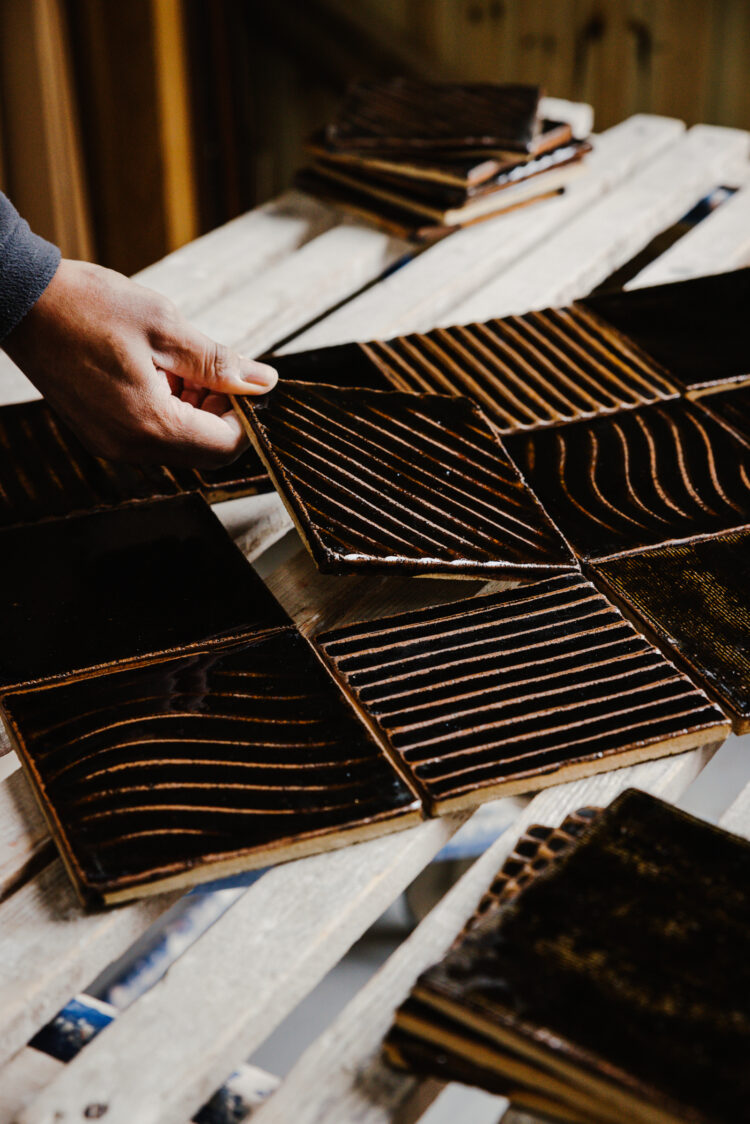
After completing an MA in ceramics in 2003, Miller bought Froyle Tiles in 2006. Since then his work has combined his love of historic ceramics practices with functional design. “What I think I’ve brought to this company is a studio pottery background applied to something more practical,” says Miller. This is exemplified by the pieces pictured here, many of which use methods associated with the studio pottery movement of the early 20th century, but applied to tiles instead of the vases, dinnerware and sculptures they would have traditionally been used on: Tenmoku glazes, Dolomite white glazes and smoke firing – taking the tiles out of a 1000 degree oven and plunging them into combustible materials. The result are tiles that have a feeling of movement, authenticity and tactility.
“There’s so much that keeps me excited,” says Miller, when asked about why he loves making tiles. “It’s still considered a very humble craft and yet tiles are so heavily integrated into our everyday spaces, whether decoratively or functionally. And there are always new opportunities to collaborate with architects and interior designers through tiles. It feels like I’ll never get to the end of learning about them.”
Below, he explains what ignited his passion for ceramics and how he creates contemporary handmade tiles that pay reverence to the craftspeople before him.