What to know:
The demand for painted folk furniture tends to vary with the current trends in interior design. It was very popular when first rediscovered in the 80s and 90s, then we had a period of a decade or more where things went very minimal and grey, and colourful folky pieces were hard to place. In the last year or so, as any avid reader of the glossy mags will know, there has been a new appreciation and interest in folk art and a re-introduction of colour into interior design schemes. If anything, the pandemic has increased this tendency – perhaps because people have wanted to buy into things that have soul and authenticity.
The English tradition is quite different to the European, largely owing to our religious history. European country furniture clung to the Baroque and Rococo right up until 1900 and the Secession. But the iconoclasts destroyed the colourful medieval church interiors of England in the 17th century, and the rest followed suit. English and British country furniture came to favour purer and more restrained forms of the neo-classical – ‘plain English’. The most popular period for us now as far as country furniture is concerned is the late 18th/early 19th century, when pale blues, creams and greens were used, but there is so little original furniture of this kind that it’s not a good idea to get too hung up on it for your house planning. One of our bestselling lines in recent years has been our ‘commodes’ or chests of drawers. They have that plain styling and we refinish them in pastel shades.
What to look for:
Professional sportspeople talk about ‘getting in your own way’. It can be the same with art and antiques. Try to look with your eyes, like a child; if a piece has charm, it has charm. That said, Georgian painted country furniture has perennial appeal, and primitive British rustic furniture, chairs and tables, already highly prized, have seen a price uplift in the last year. In tandem with this, ultra-rustic furniture has been popular: pig benches, early looking furniture and decoration, plain and hewn. Also, in the course of the last year, there has been strong interest and appreciation of the amazing traditions of folk painted furniture from Europe and a willingness as never before to mix styles and be bold with colour.
What to avoid:
When it comes to things that are ‘primitive’ and simple but cost a lot of money, like a Lowry painting, or a Welsh primitive chair, there are bound to be fakes, so bear that in mind. I’d advise sticking to established dealers and paying the higher price. Generally, if the other piece was any good the specialist dealers would already have bought it. Otherwise, ask the sensible questions you would ask about anything. We all have to buy on photos nowadays, so check it is the original paint, and you are not buying something rotten, or wormy, or something with lots of replaced parts.
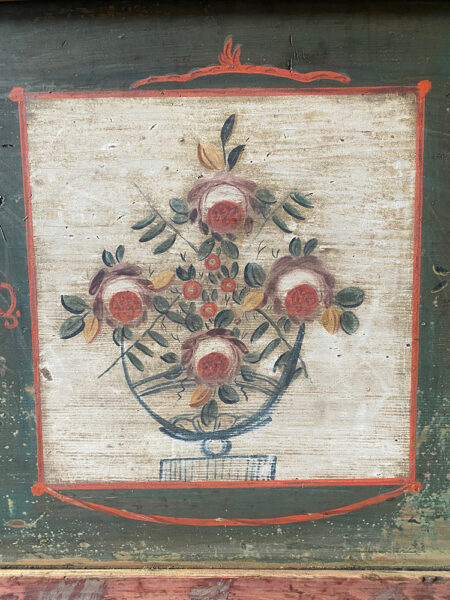
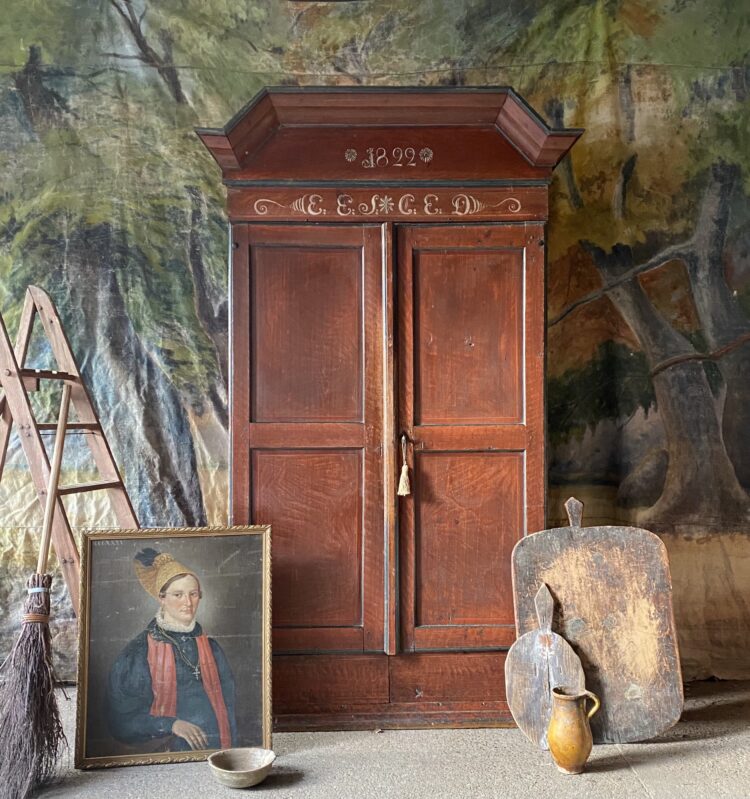
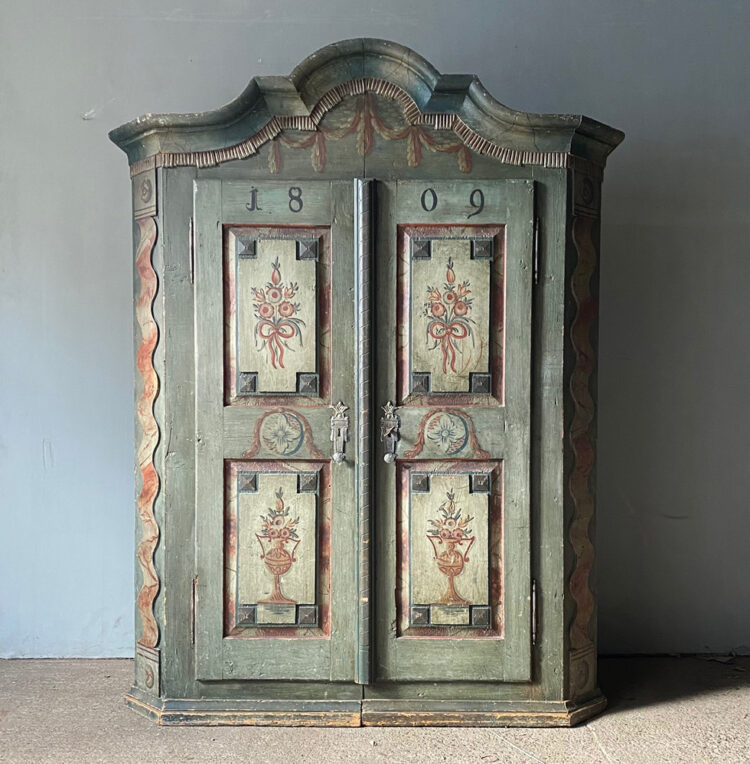
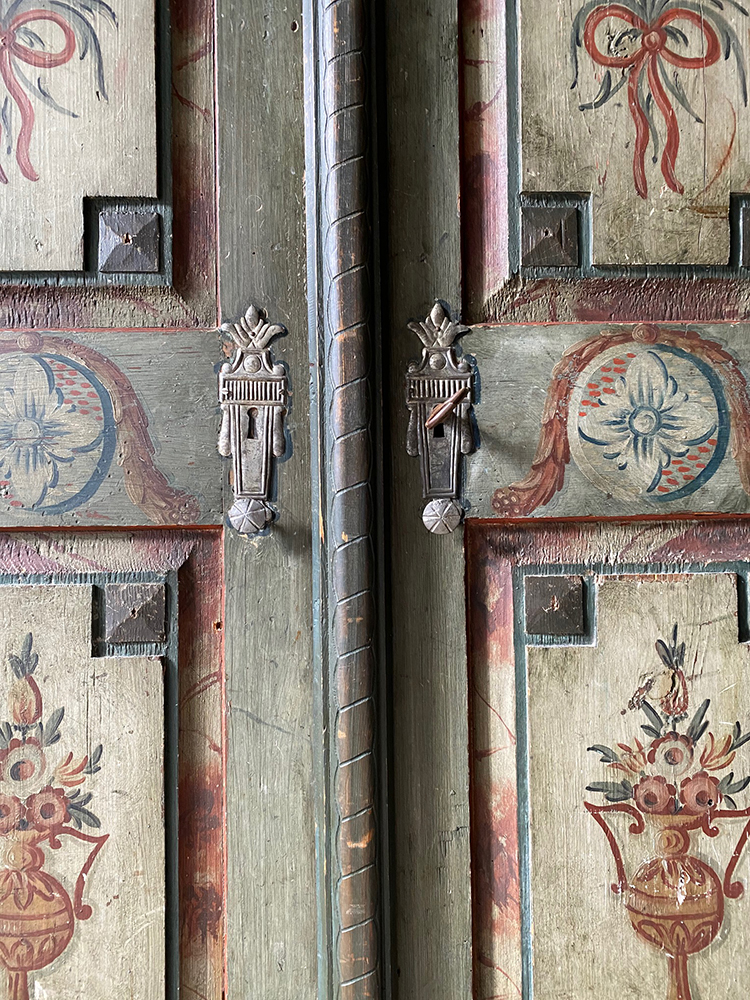
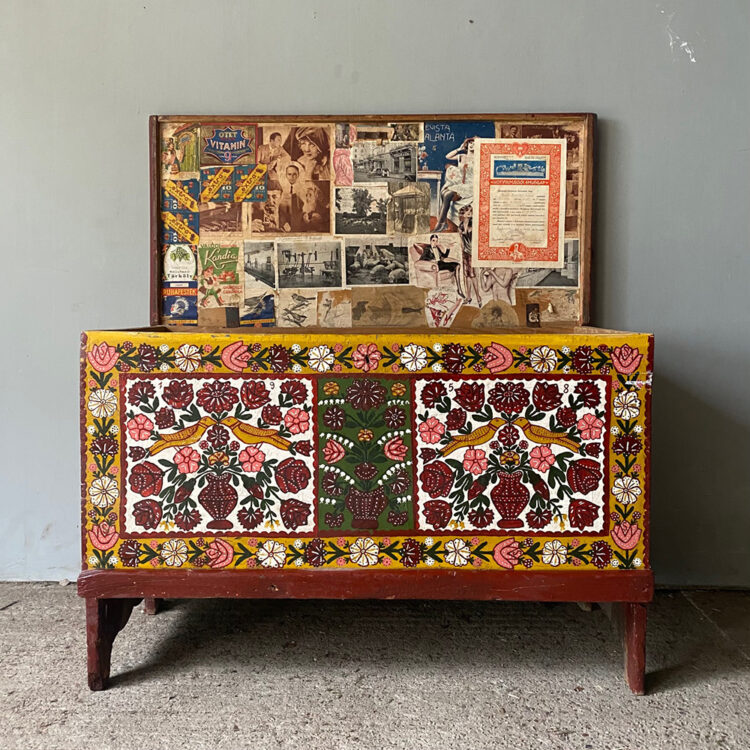
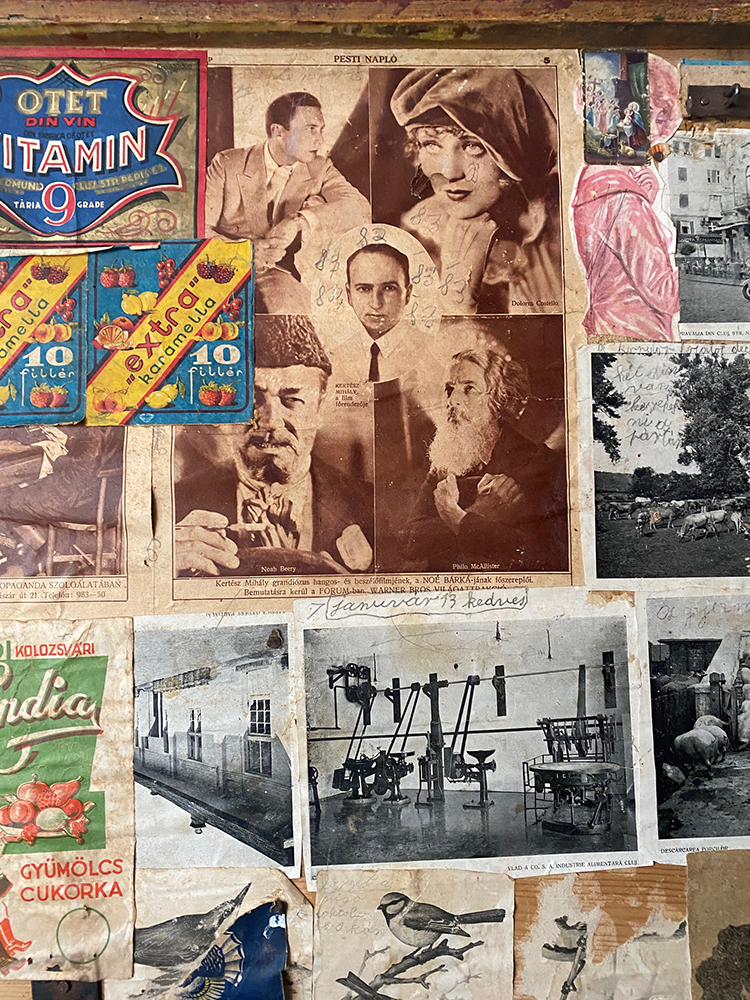
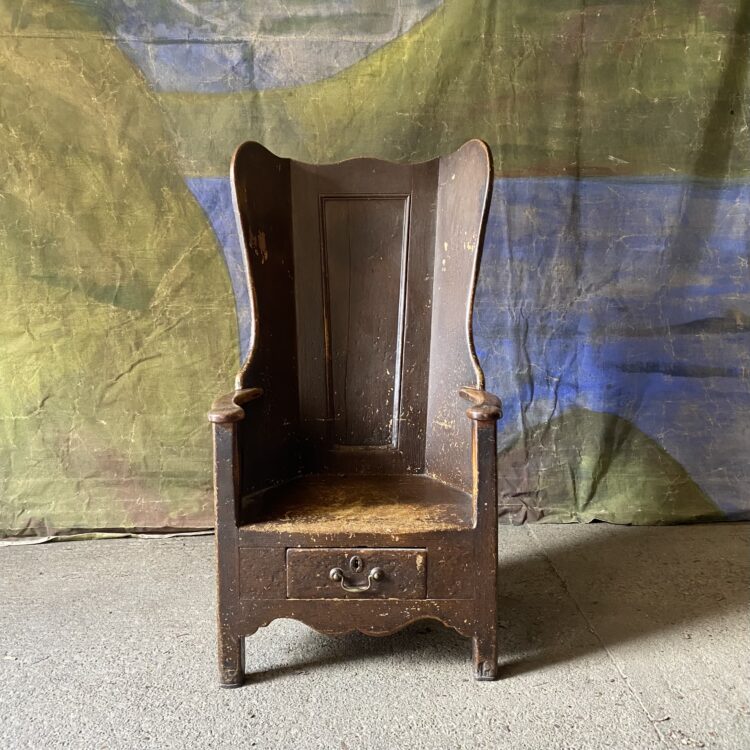
Images, top to bottom: a wide neo-classical pine commode in white; a selection of folk art, country furniture and antiques; a carved and painted marriage cupboard, southern Germany, 1809; a detail of the cupboard’s painted doors; an antique folk painted marriage box with birds, Transylvania, c. 1900–1950; a detail of the lid, featuring collaged images of silent movie stars, city views and more; a primitive lambing chair. All images courtesy of John Cornall Antiques.
FURTHER READING
John Cornall Antiques