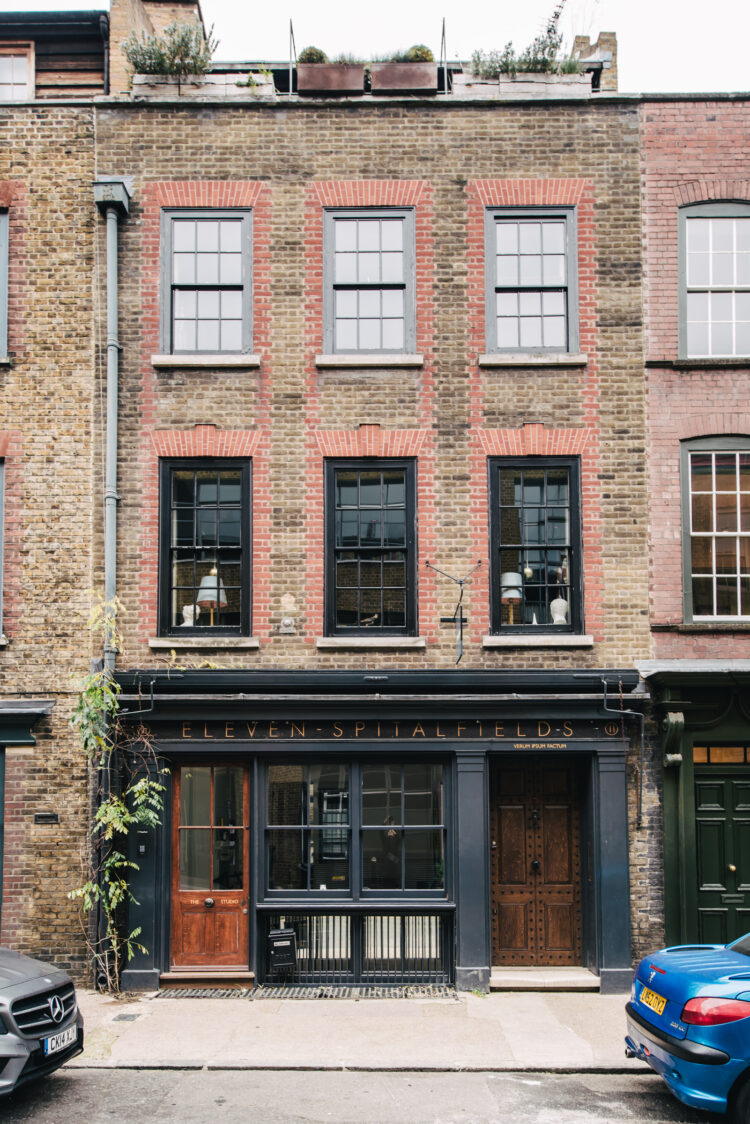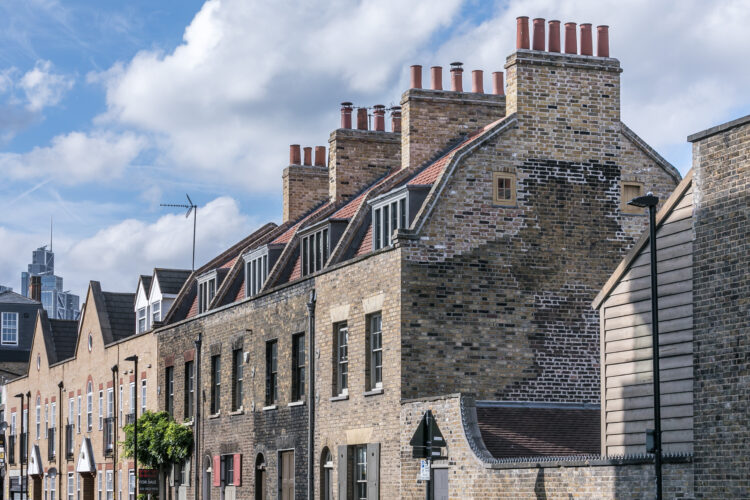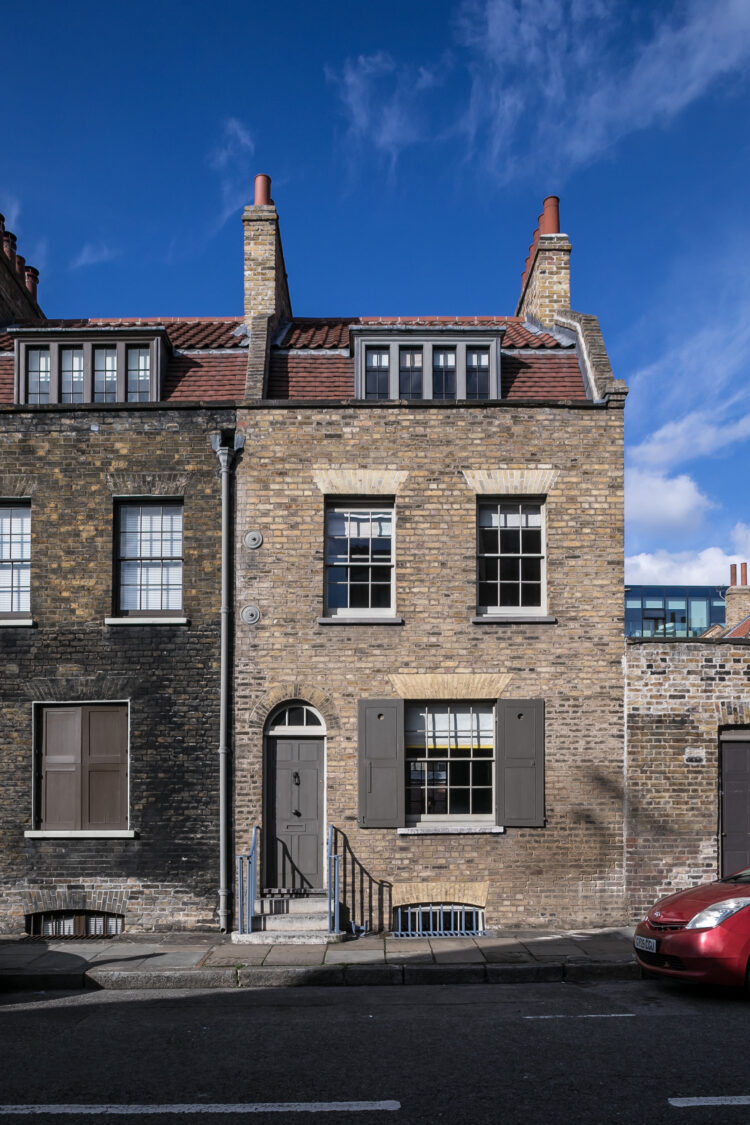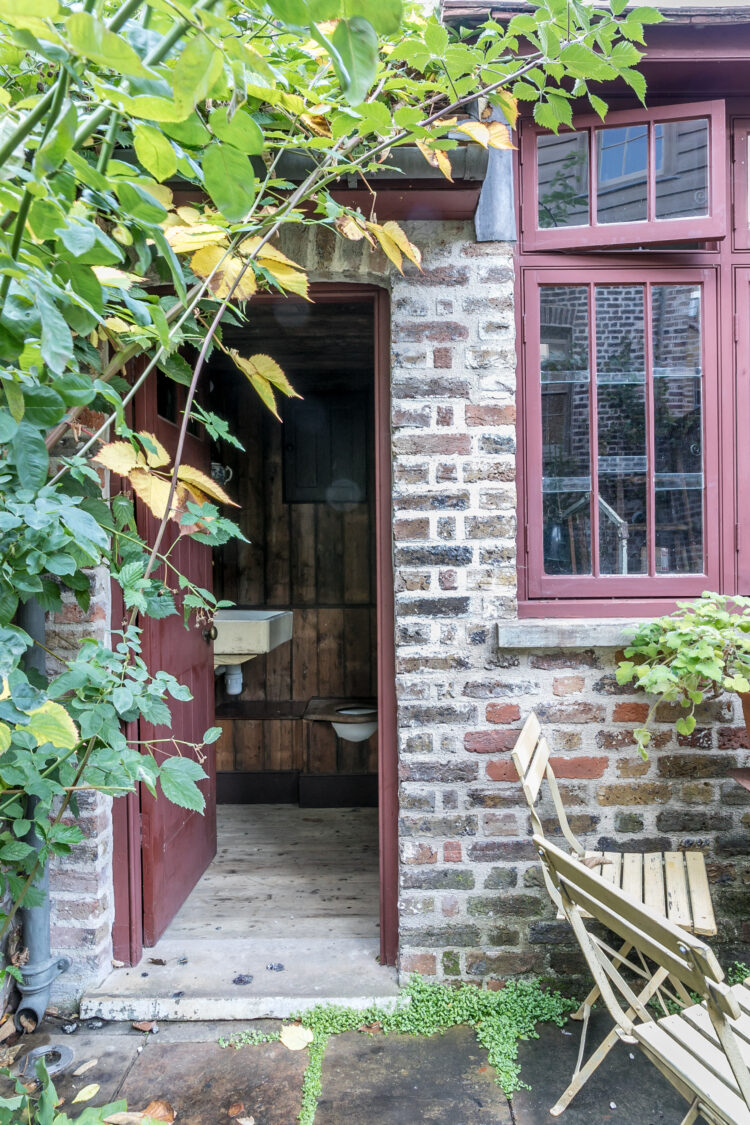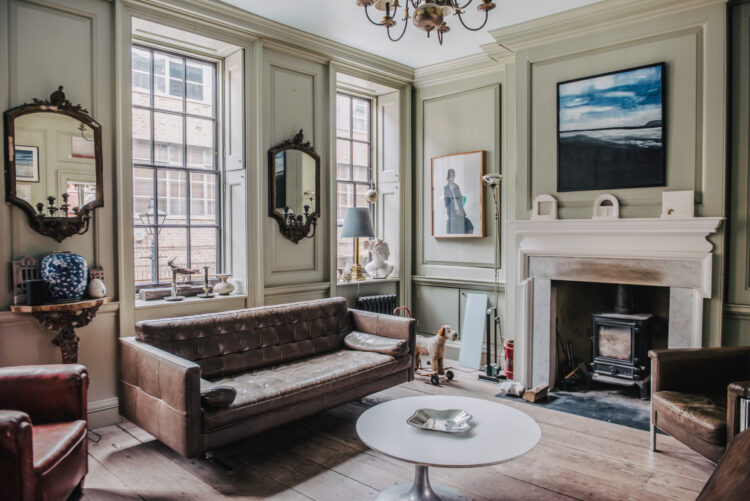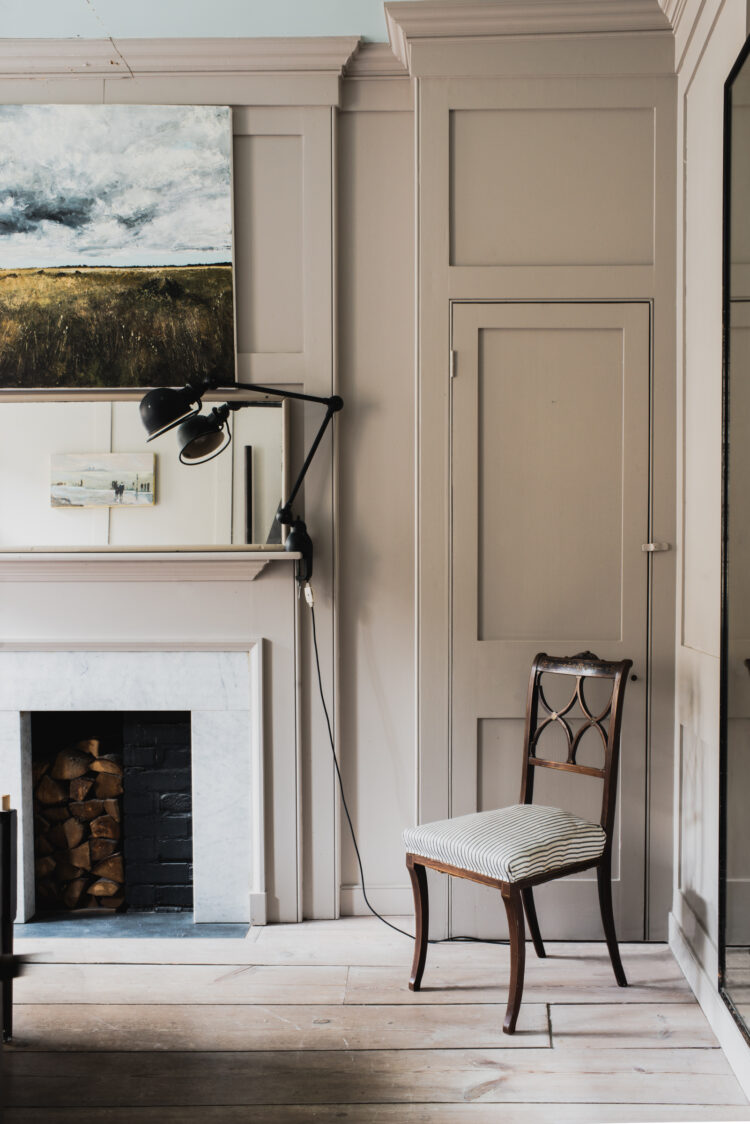




Spitalfields – an area known for its thriving markets, buzzing nightlife, and iconic curry houses – is also something of an architectural marvel. Quite apart from Nicholas Hawksmoor’s famed Christ Church, the East End is home to colourfully restrained, early Georgian terraces that line its cobbled streets. The legacy of Huguenot silk weavers who established their trade there in the early 18th century, these houses stand as a testament to the area’s extraordinary transformation and cyclic renewal.
Positioned just outside the City of London, in the right angle between Bishopsgate and Aldgate High Street, Spitalfields has always been associated with alterity and is historically a magnet for migrant settlers, as foreigners unable to join the city’s guilds would set up businesses on the edges of their jurisdiction instead. Its name derives from the Priory of St Mary Spital, which served as a hospital shortly after its foundation in 1197. At the time, the surrounding land was simply open fields – hence the name Spitalfields. By the time the Huguenots settled in the area, it had become more developed, with timber-framed buildings and narrow streets intersecting just outside the city gates.
In 1685, over 50,000 Huguenot Protestants arrived in Britain, fleeing religious persecution in Catholic France. Around half settled in London, provoking general alarm. Peter Ackroyd, in his seminal biography of the city, writes that “The Huguenots were accused of trading secretly among themselves and of engaging in illicit commercial practices… they were held directly responsible for London’s overcrowding.” Predominantly clockmakers and silk weavers, the Huguenots established their homes and workshops in Spitalfields.