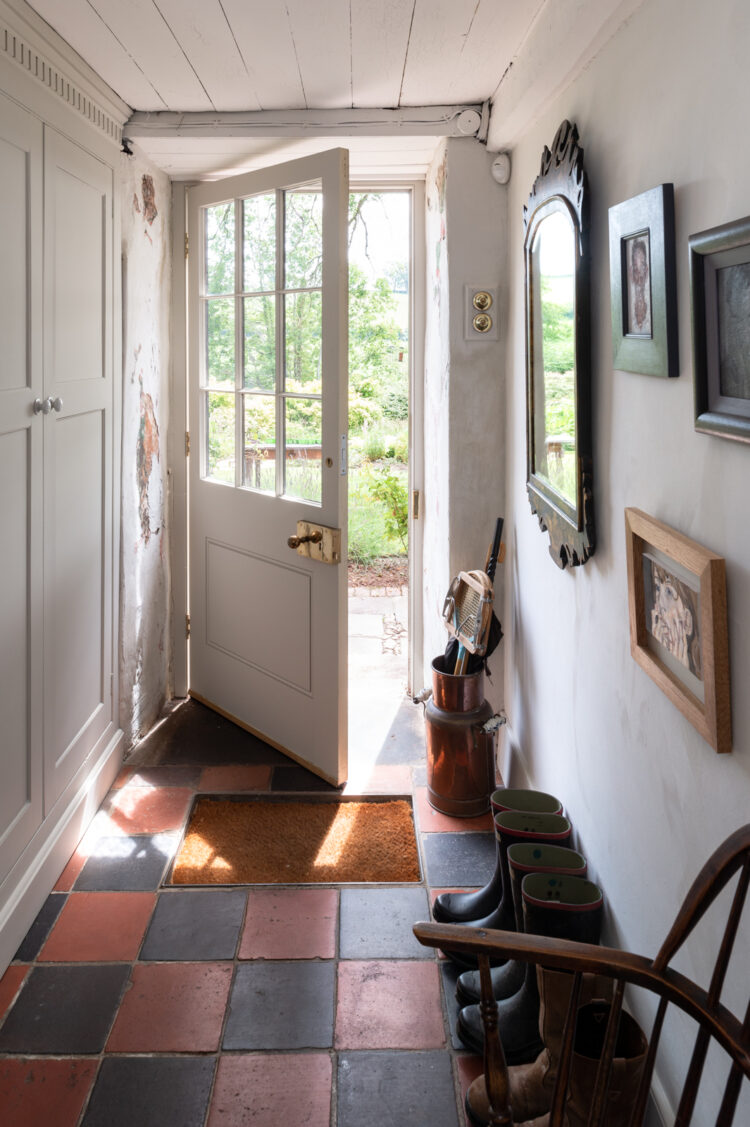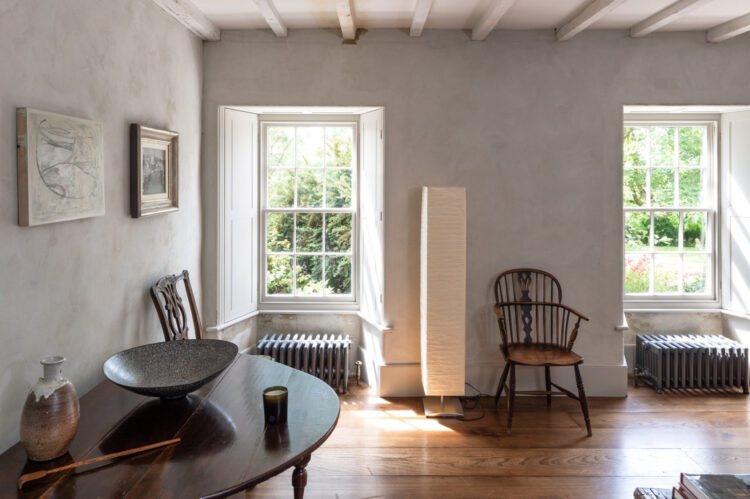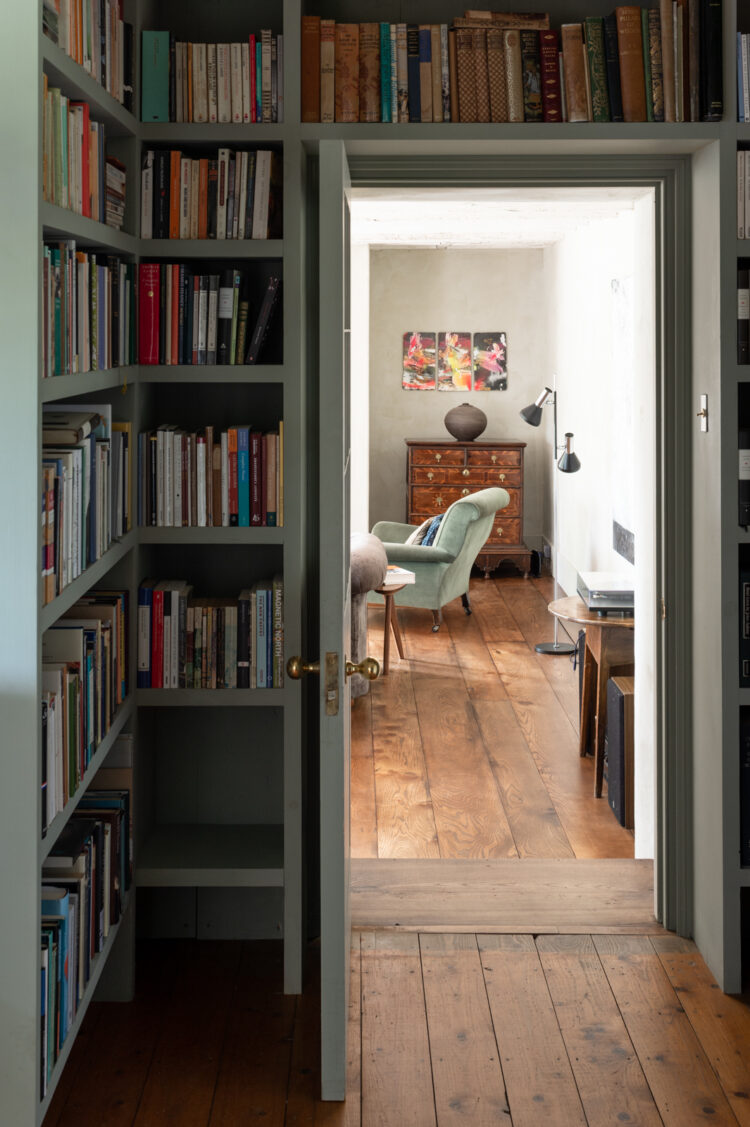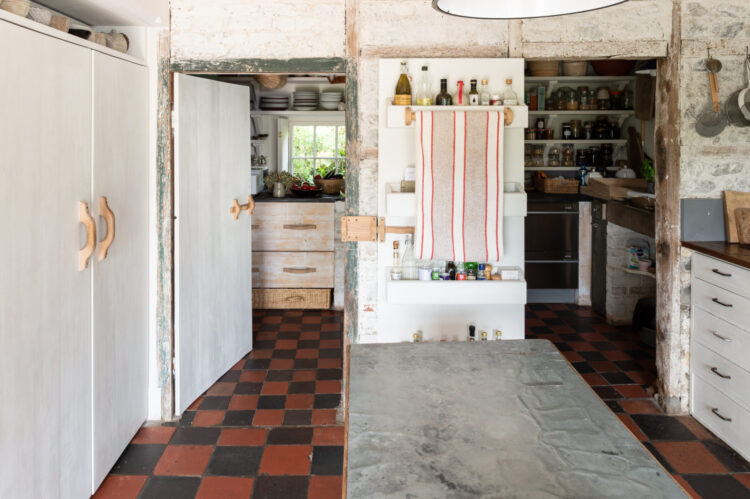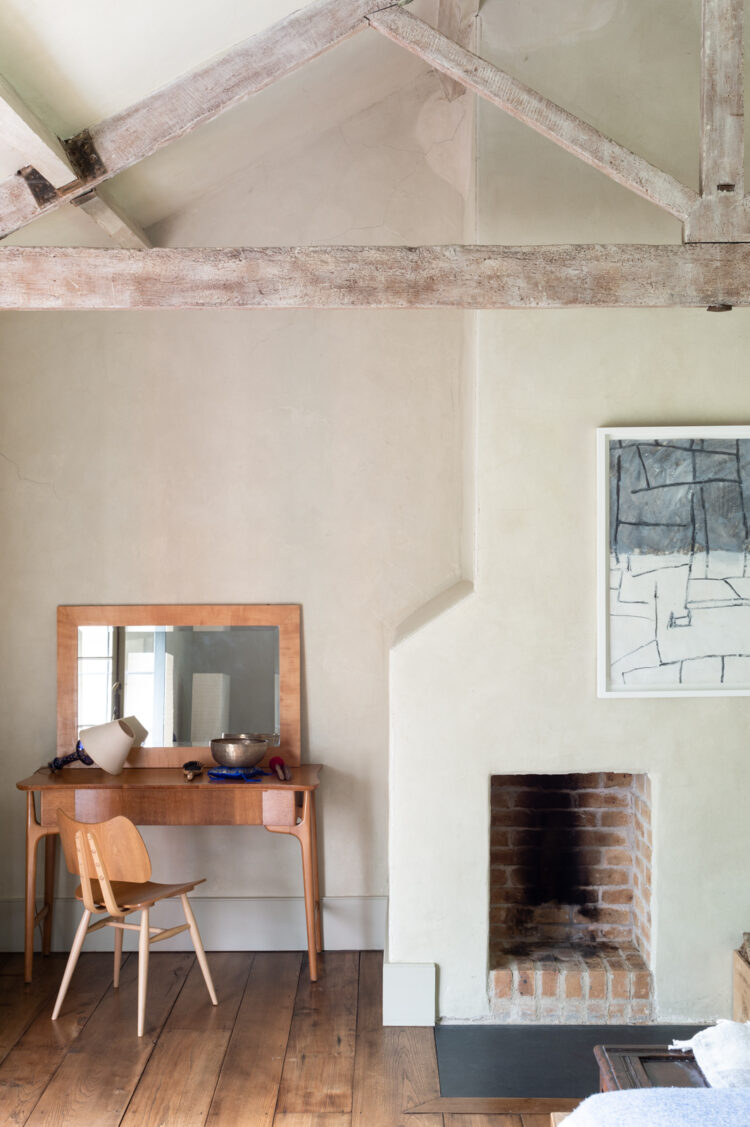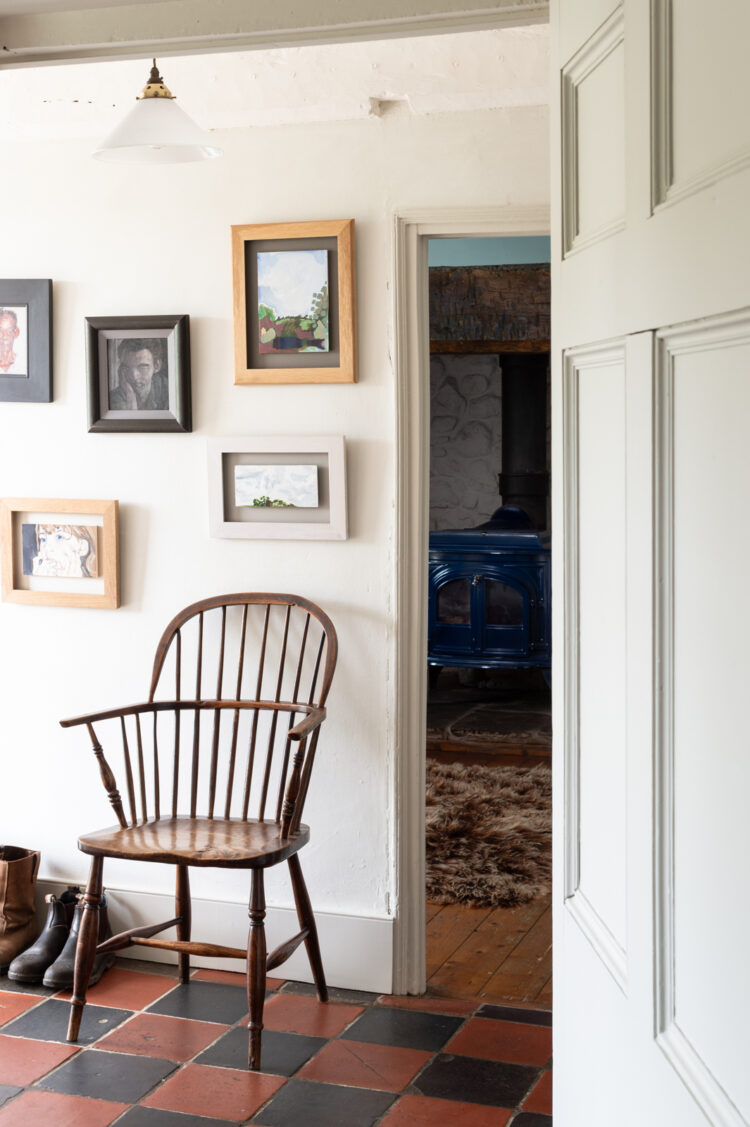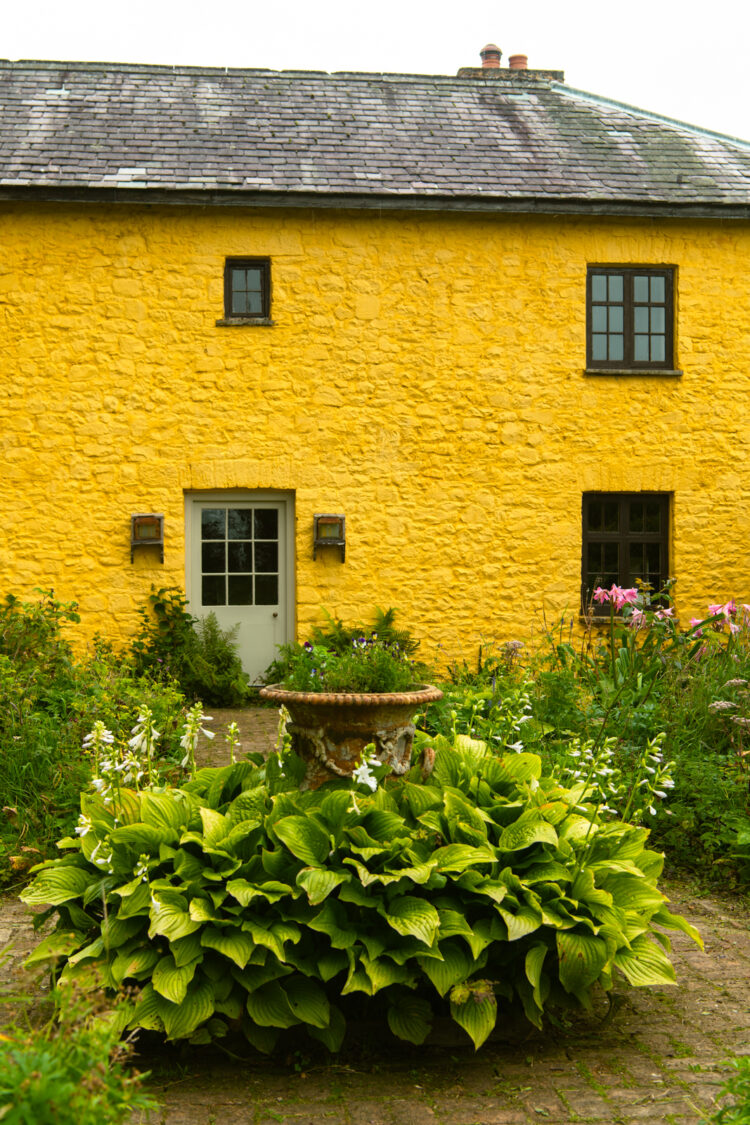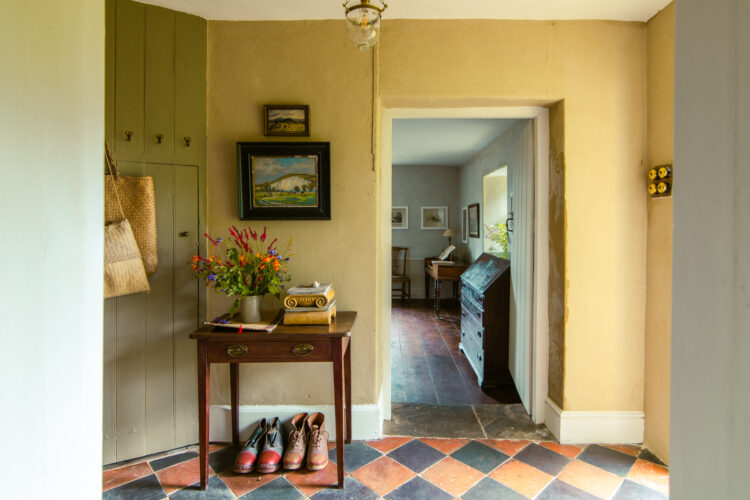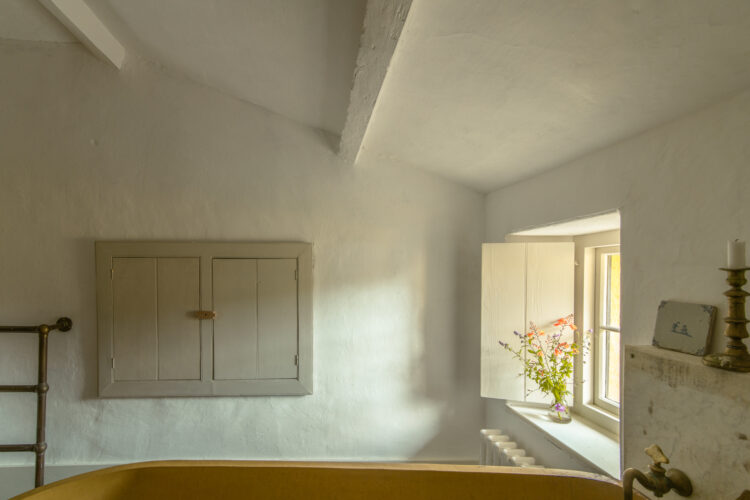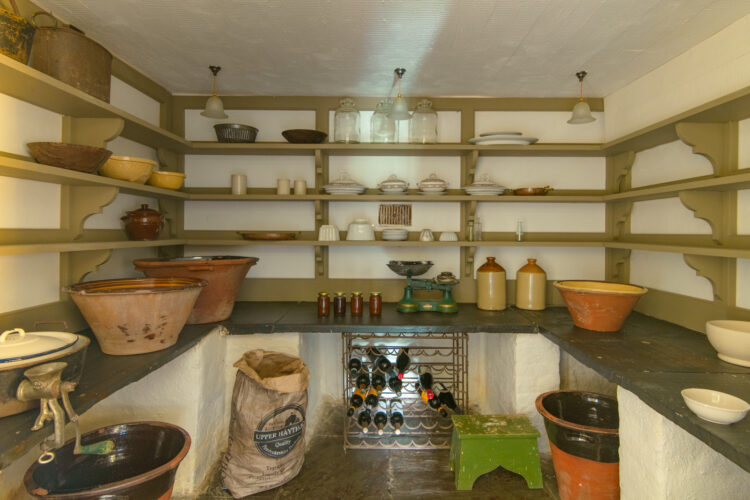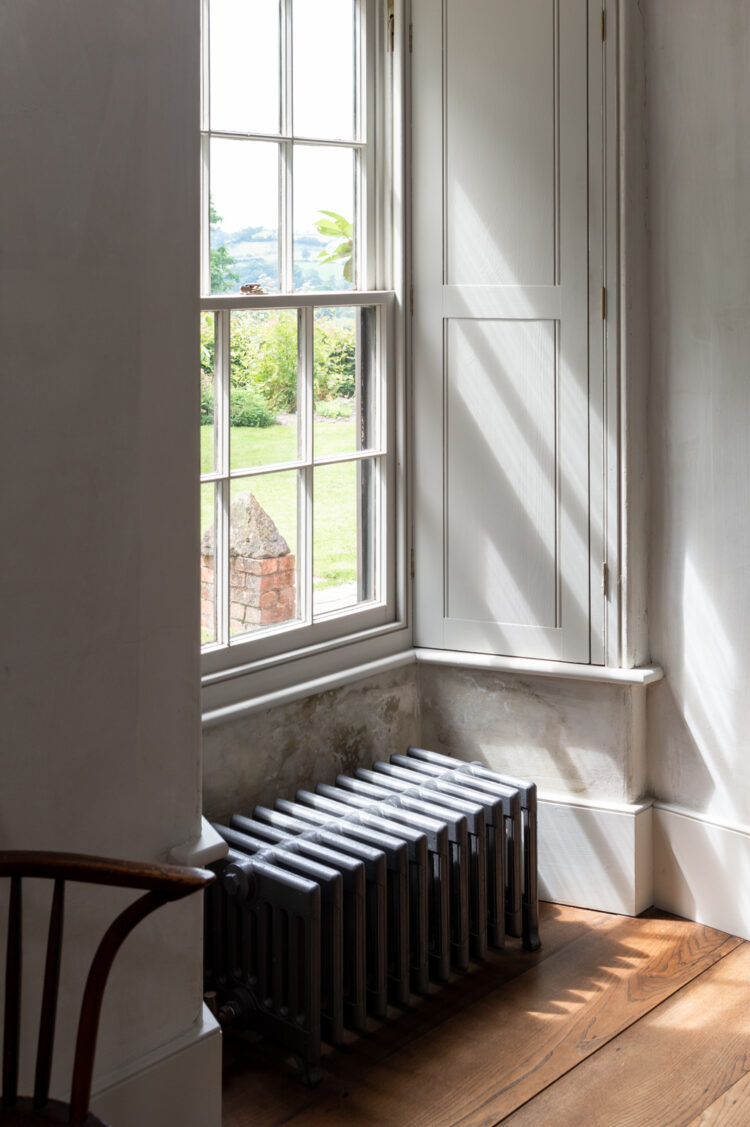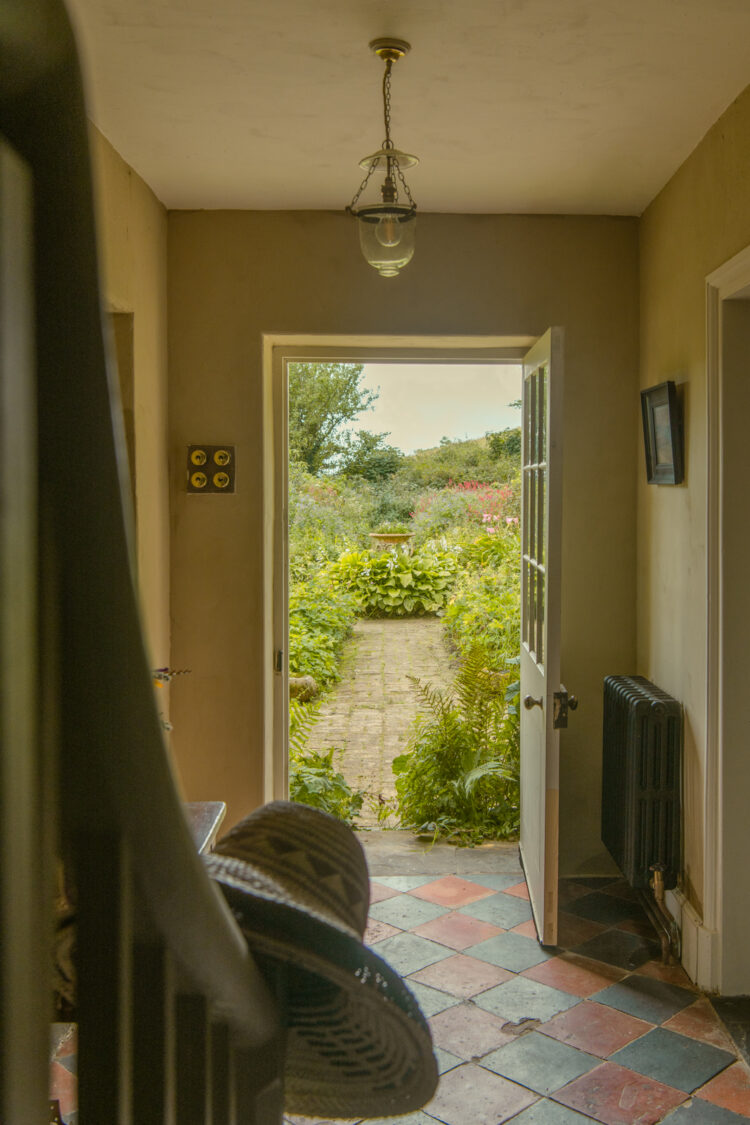



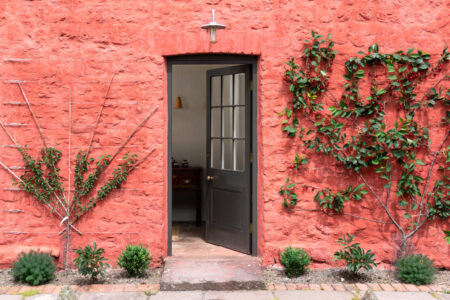
The UK has more period housing stock than any other country in Europe. For many people there is a beguiling appeal to owning a period home that becomes a quest that must be fulfilled, but taking on a historical building project can be both confusing and contradictory.
This is, after all, the 21st century, where dishwashers, washing machines and microwaves are part of our daily lives; where cables and tech clutter our surfaces and floors. So, how do we marry the fast-paced, industrialised, materialistic reality of modern living with the ancient structures that were built for an era when life was slower, when we cooked over fire, handwashed our clothes and owned just a handful of pieces of furniture?
“People always want that aged, authentic look in their home, but generally when modern techniques or materials are used to restore historic buildings, it can start to look odd and ugly,” says Hilton Marlton, an historical building expert and interior designer, who has spent the last two decades carefully restoring Pant y Ffynnon, a 1796 Welsh farmhouse that is currently on the market.