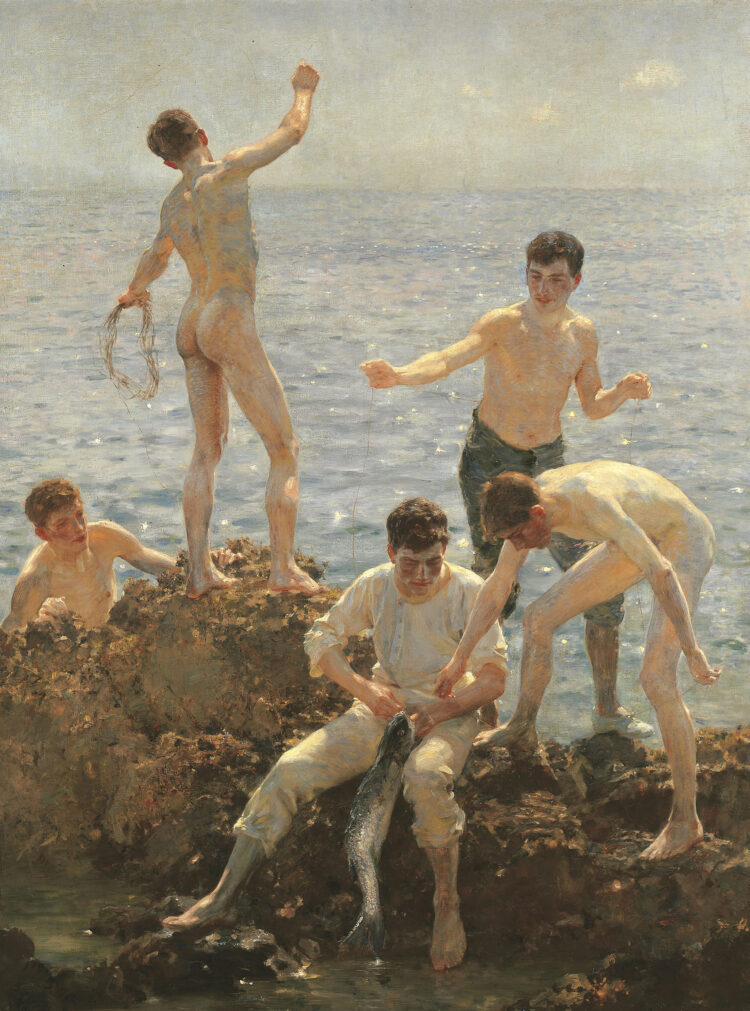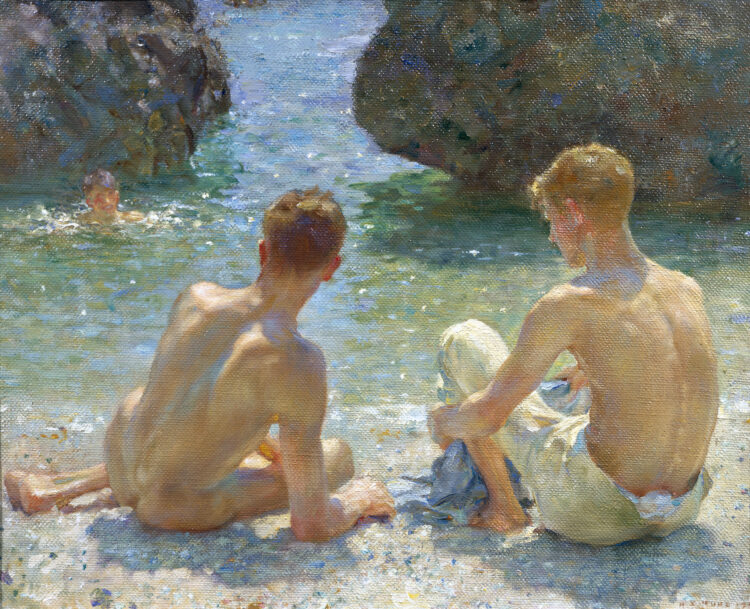



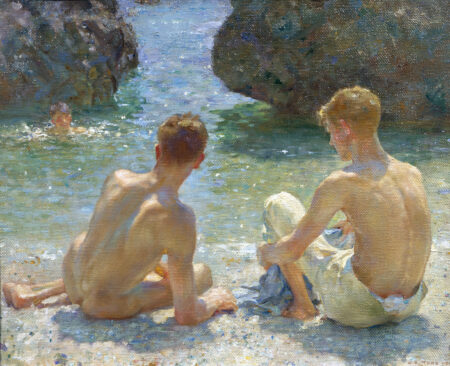
After he died in 1929, the celebrated painter Henry Scott Tuke disappeared into near obscurity. His acclaimed male nudes were relegated to niche status; it was only with the advent of emerging queer studies in the 1970s that his name regained esteem and, even then, he remained something of a cult figure.
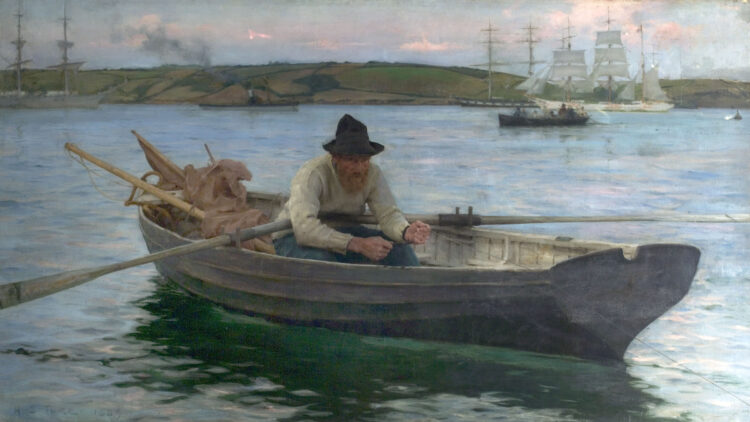
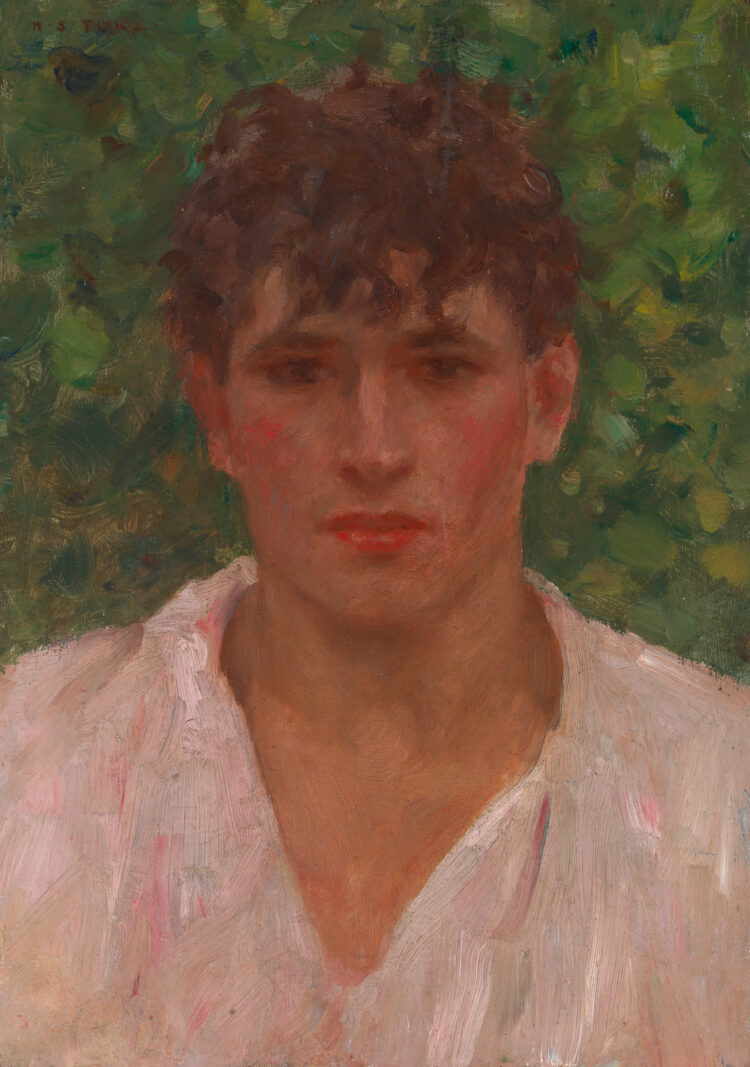
This generously illustrated book, accompanying the Watts Gallery’s summer show, aims to give him the recognition he deserves. It is not, says editor Cicely Robinson, a biography, nor does it seek to reframe Tuke through a contemporary lens. Instead, a more granular approach to the works themselves – and not only those of the bathing boys – allows readers to better evaluate his influences, practices and impact. It’s a refreshing perspective and one which offers the chance to explore Tuke’s other sides: portraitist, avant-gardist, sailor.
Six finely judged essays look at how Tuke, who moved to Cornwall in 1883 after studying at the Slade, fits into broader narratives on the maritime genre, for instance, or the influence of his psychotherapist father. As one would expect, there’s ample space dedicated to queer identity, masculinity and sexuality, taking in Classical sculpture, the Victorian nude and the uncomfortable issue of ‘boy-love’. Tuke’s flotilla of prettily named boats – Lily, Ripple – looms large, as does his progression from painting en plein air beside the sea to working on the water itself, like Cornwall’s Manet.