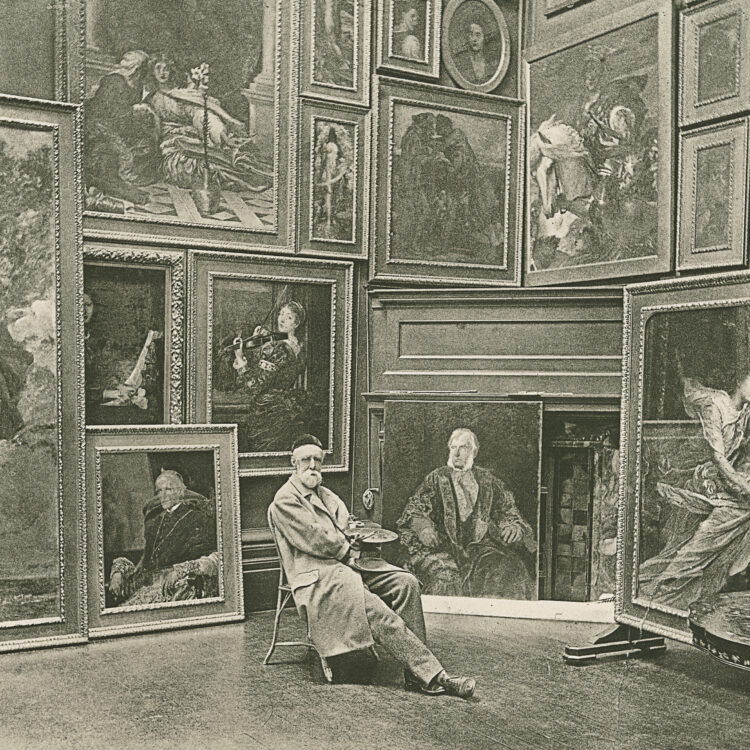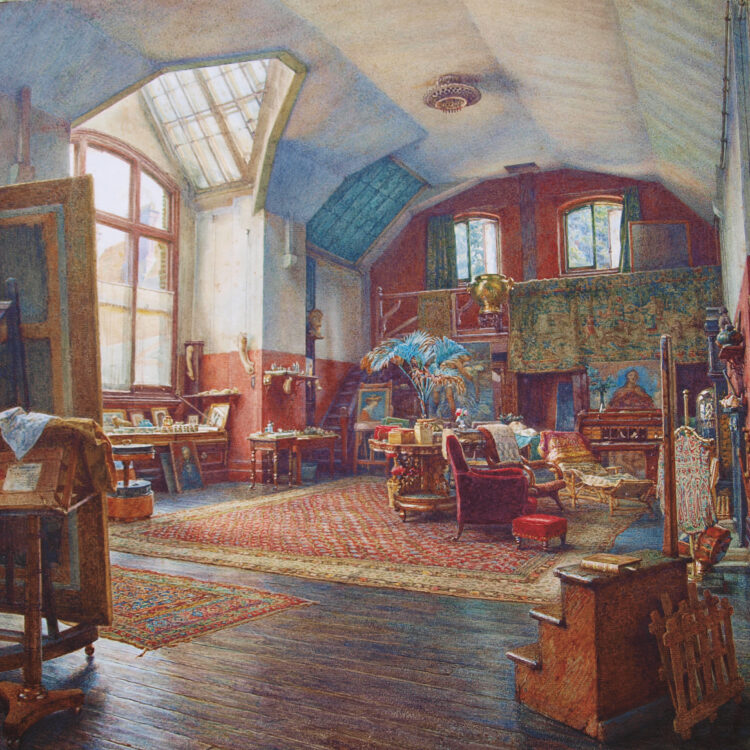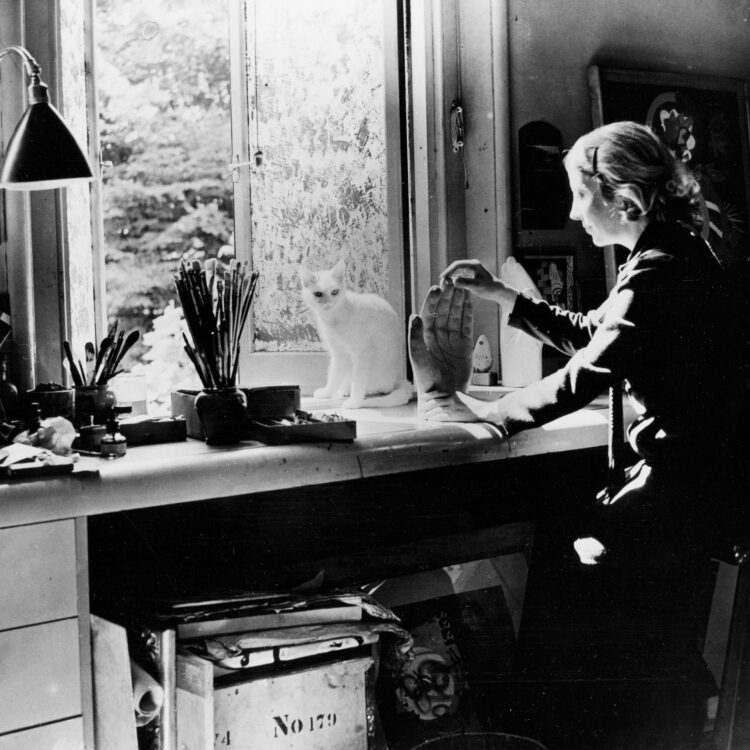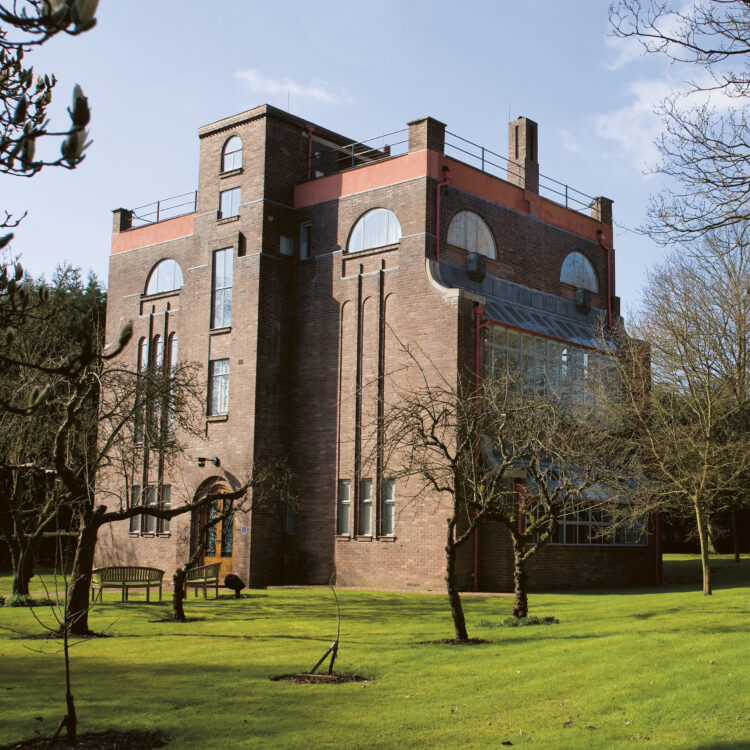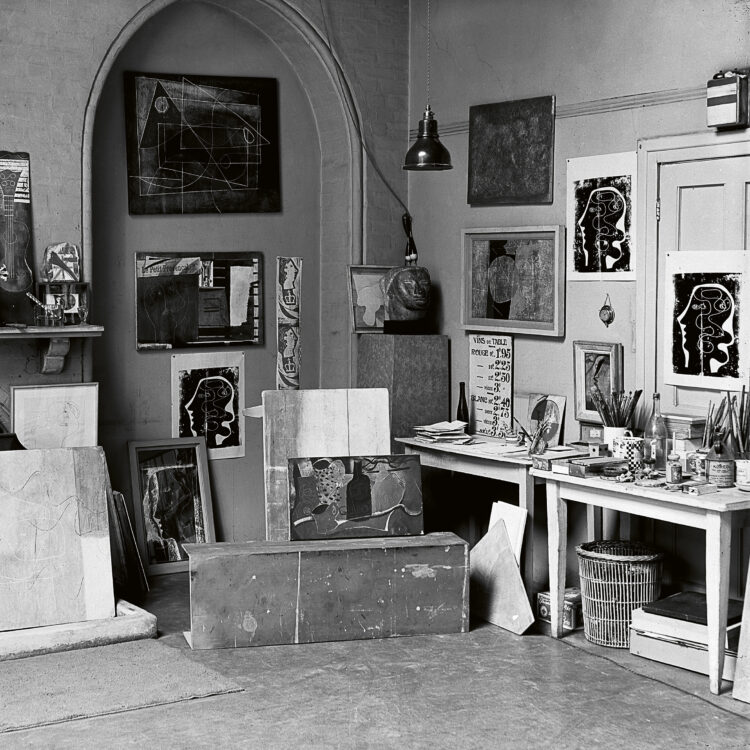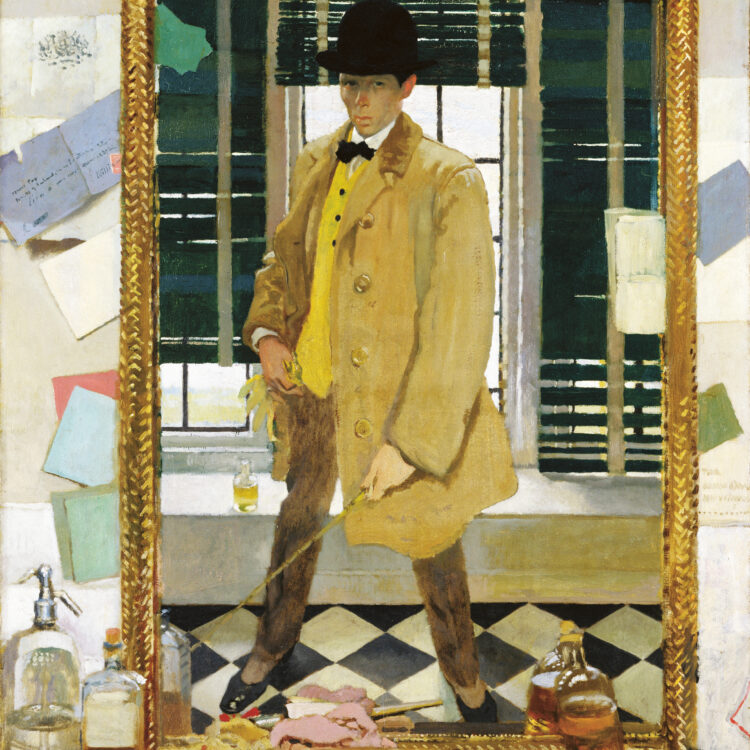



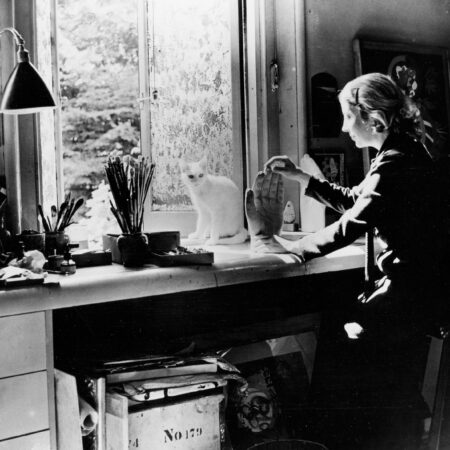
The painter cannot paint nor the sculptor sculpt without a studio – at least some of the time. And yet, the image of the bohemian artist – peripatetic, painting en plein air, a whiff of debonair dishevelment adding to that of turps and charcoal – is a well-known one. It’s also, in many cases, often a self-consciously constructed one.
From the perspective of the free-spirited artist, the idea of the studio is orthodox. It is the factory, the laboratory and the office – and it is the built antithesis to this (fabricated) life on the road. But even Augustus John, that most unconventional of painters, had, on occasion, to rely on such orthodoxy. He may have put out that he was eschewing the studio – “a box wherein miserable painters hide themselves,” he wrote – in favour of a caravan, but in fact, as Louise Campbell, author of Studio Lives, tells us, he built two of them. They informed his life and shaped his art.
This handsome book starts its story at the tail end of the 19th century, when fin-de-siècle Britain was awash with bourgeoisie artists who had begun to actually make a decent living, thanks in part to the cult of personality that was gripping the Victorian psyche. They needed places to work and they had the money to build them. It’s bookended by the Second World War, with fascism on the rise. The years that followed would radically alter both the artist’s reality and the built environment for decades to come.