


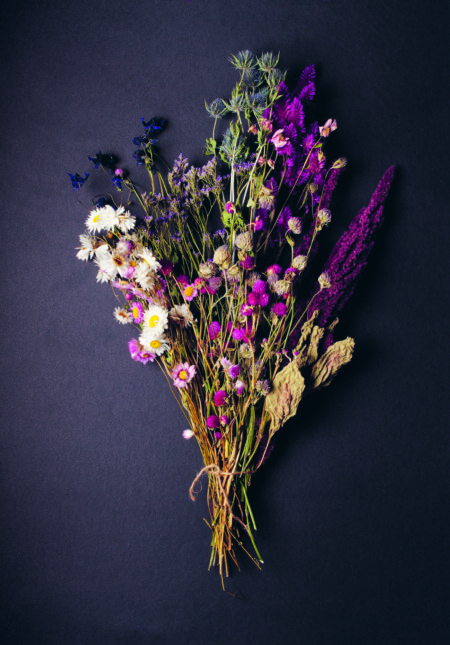
In June 2020, an article by Shruti Advani in The Financial Times drew the ire of the Twitter commentariat for its audacious unrelatability. Entitled “The awkward lessons of my luxury lockdown in Kensington”, it chronicled, as you might expect, the writer’s experiences of life in the opening stretch of the COVID-19 pandemic, and was particularly derided for one key detail: flowers. According to Shruti, her knee-jerk response to the dire situation was to triple her order from Freddie’s Flowers, a London startup that delivers floral arrangements in weekly boxes. For her, this was an “obvious place to start.” For everyone else? Not so much.
The antipathy is understandable: though fresh flowers are a lovely addition to any home, they’re undeniably a luxury, and a borderline decadent prospect (in the old-fashioned, dissipated sense) when ordered in large quantities, on a regular basis. Quite beyond the sheer expense of it all, there is the waste to consider, as well as the environmental impact of the cut flower industry, which can only provide the choice and variety it does through the carbon-intensive practice of shipping flowers across the globe throughout the year.