“Going uphill seems to bring out the best in Bath masons”
– Peter Smithson
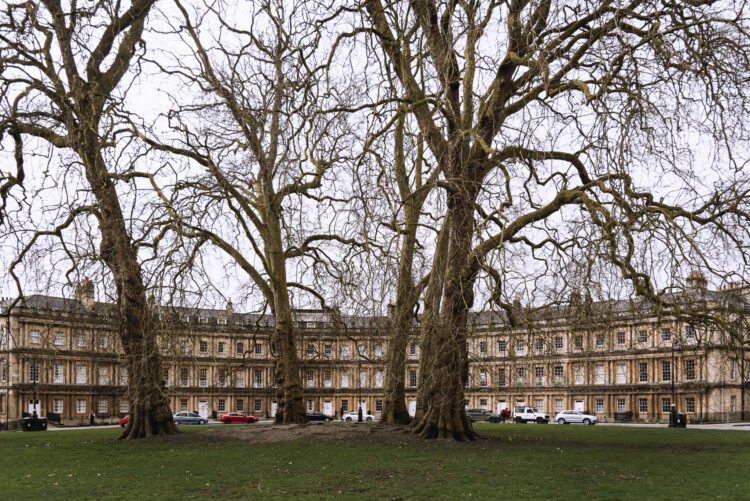
From here we go on past some “very liveable” houses to “the undoubted masterpiece of Bath”, Royal Crescent. Nearby The Circus (my personal favourite) is, he says, also a masterpiece, although “a slightly lesser one”. All the other architectural compositions in the city, he adds, are “somehow journeymen compared to these”.
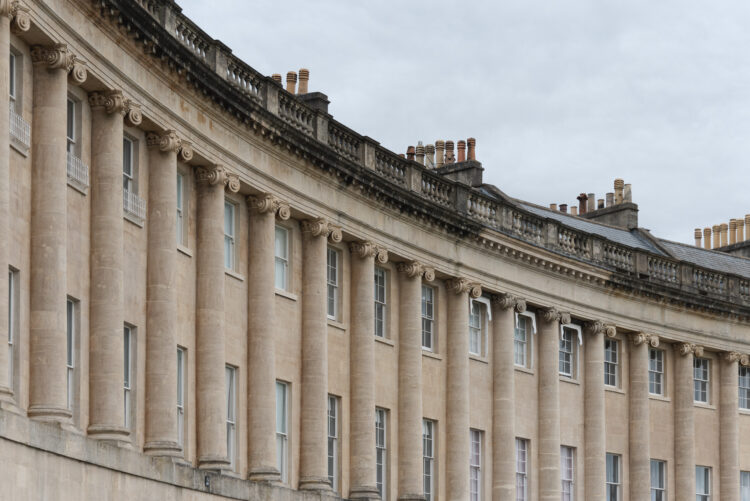
At the Royal Crescent, for the first time, Smithson’s brisk prose slips as he seems moved to a verbosity which I won’t repeat in full here, other than to pick out his comment that the Crescent “is self-assured and complete in a way that makes Versailles appear arriviste”. Needless to say, I have admired the Royal Crescent many times over the years but never have I felt a more intimate appreciation of it than after reading Smithson’s inspired observations. Never before, for instance, have I noticed the neat group of three columns “that takes one round the corner” or many of the other features that escape untrained eyes.
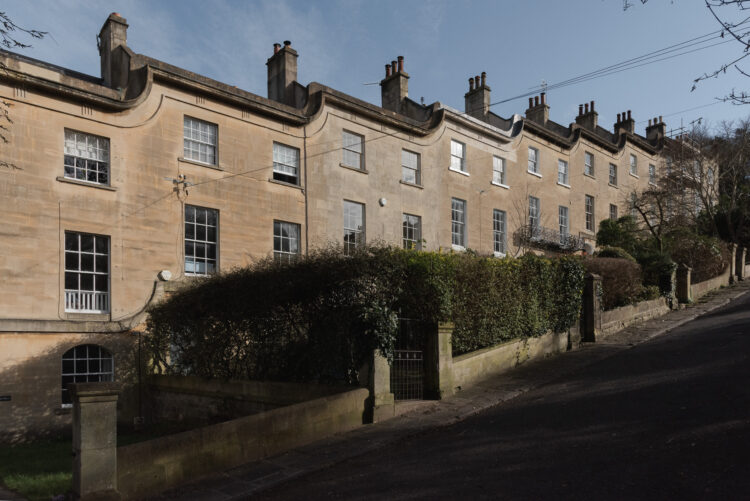
Nearby Camden Crescent might not quite be a match for its Royal relation but it receives a lot of admiration from Smithson nonetheless. This is largely due to the fact that it’s built on a slight incline and, as he says, “going uphill seems to bring out the best in Bath masons”. What Smithson shows us is how “extraordinarily complicated” it is to create such a composed façade when actually all sorts of inconsistences and wedge-shaped stones have been manoeuvred to accommodate the slope of the land. It’s at moments like these that we realise Smithson has, as his children attest to, walked these streets hundreds of times and really drunk it all in so that he can give such perceptive direction to more illiterate ramblers like me.
One of the last places Smithson takes us to is a modest terrace that he describes as a “throwaway masterpiece”, St Mary’s Buildings. The threat of demolition of these “simply stunning” houses was what first prompted him to put together a set of walks celebrating Bath’s architectural heritage. Luckily St Mary’s Buildings still stands and Bath is still, as Smithson describes it, “the embodiment of the romantic-classical dream”.
Whilst many might be surprised that such a hard-headed radical had a soft spot for the dreamy appeal of Bath, we can be sure that it wasn’t just a one-off as in the Smithson archives there are still notes for similar walking books on the historic architecture of Cambridge, Oxford and Edinburgh. Given how much I enjoyed my Bath excursion, here’s hoping that one day someone turns these into books too.
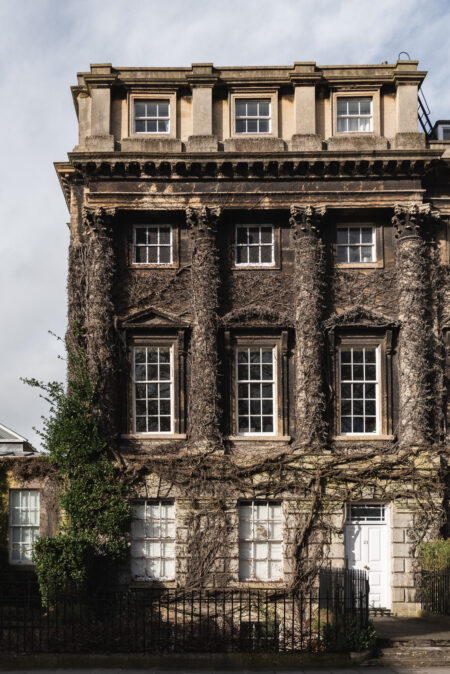
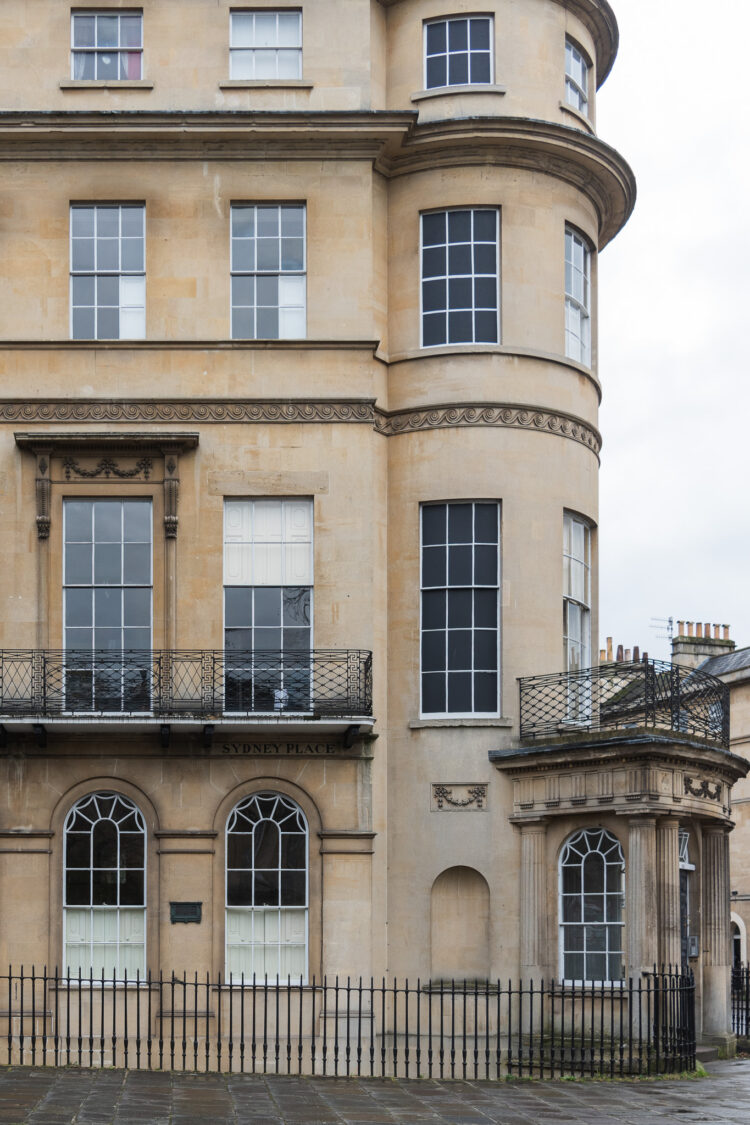
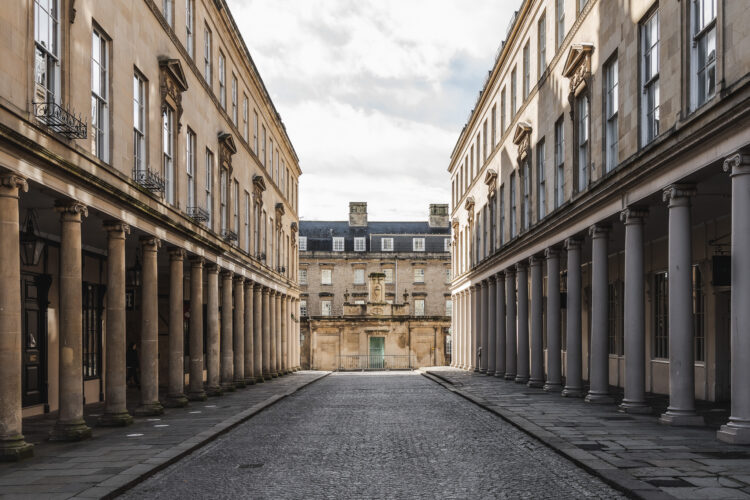
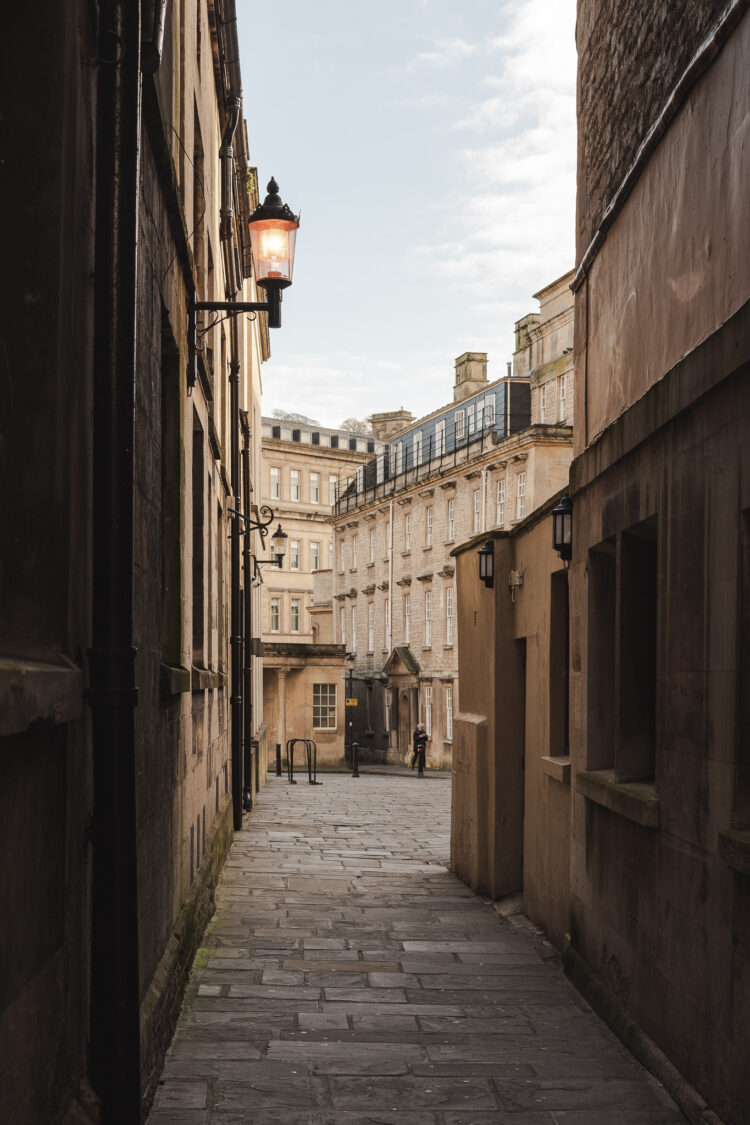
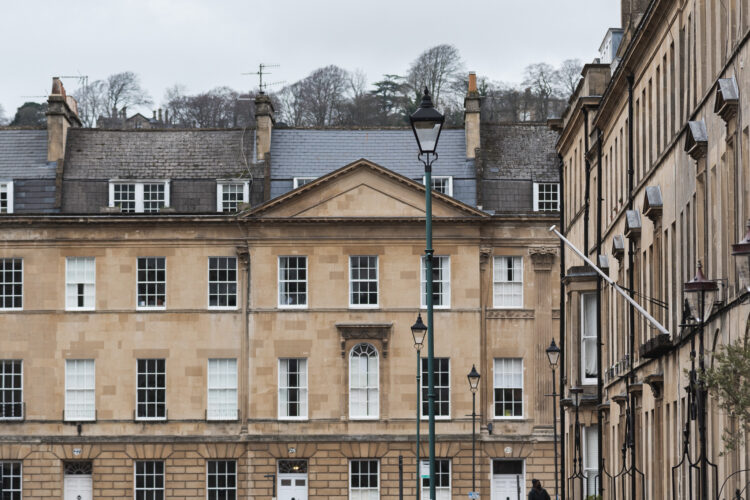
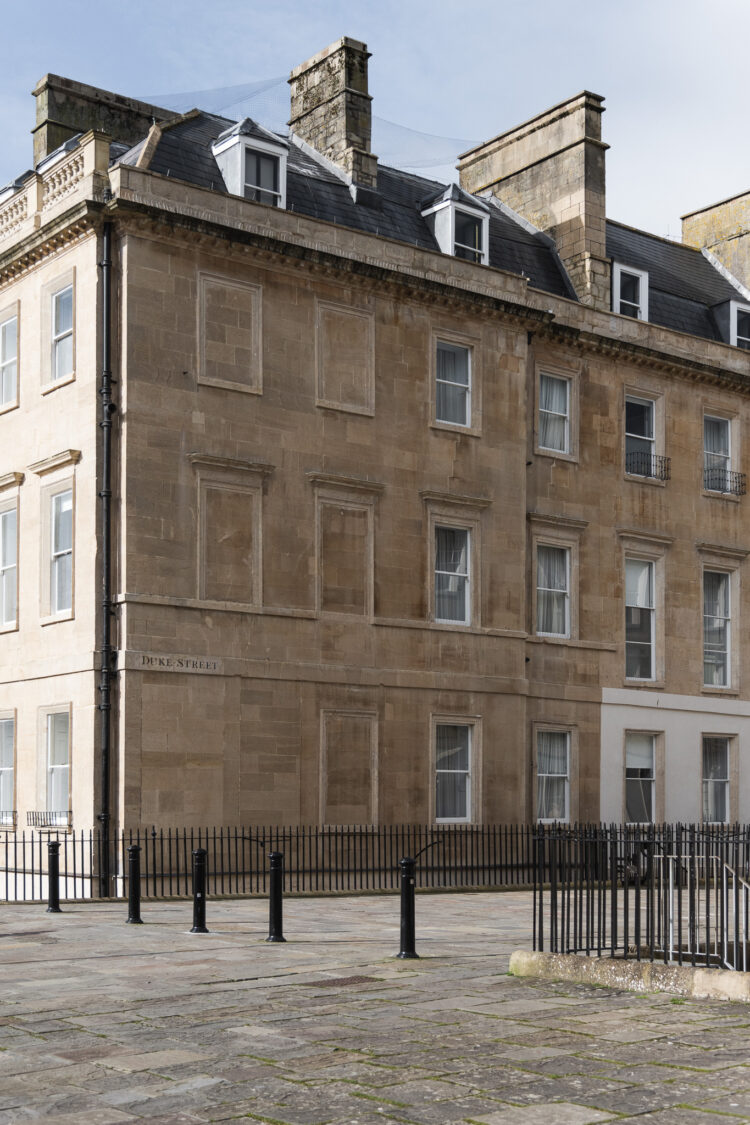
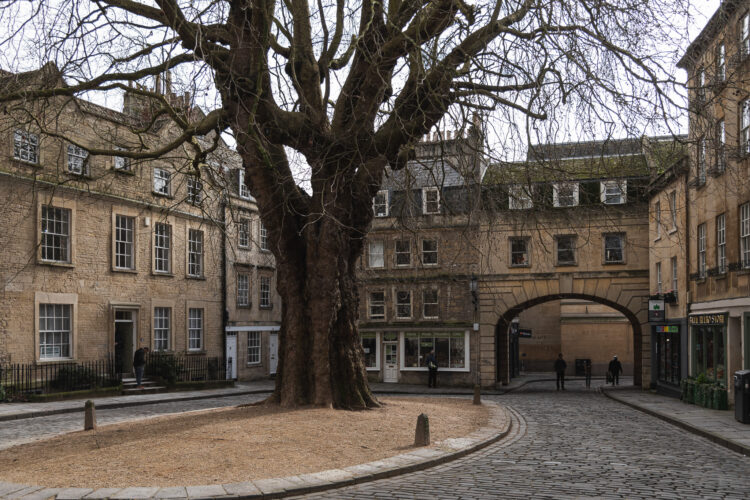
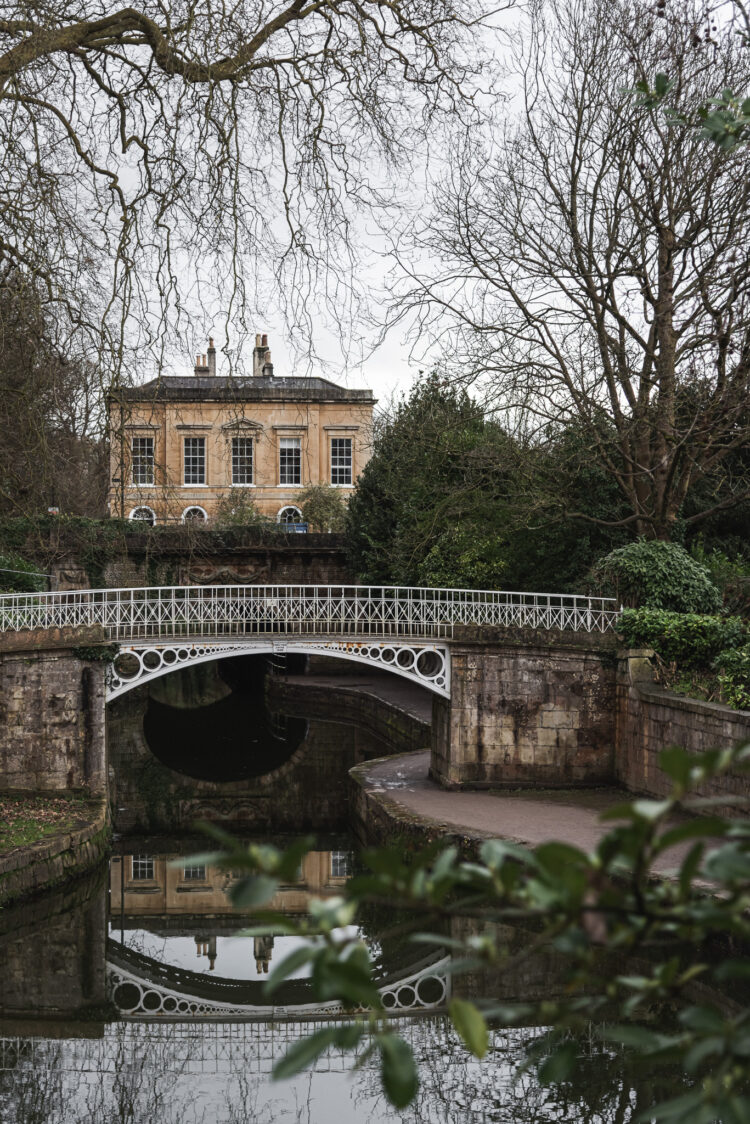
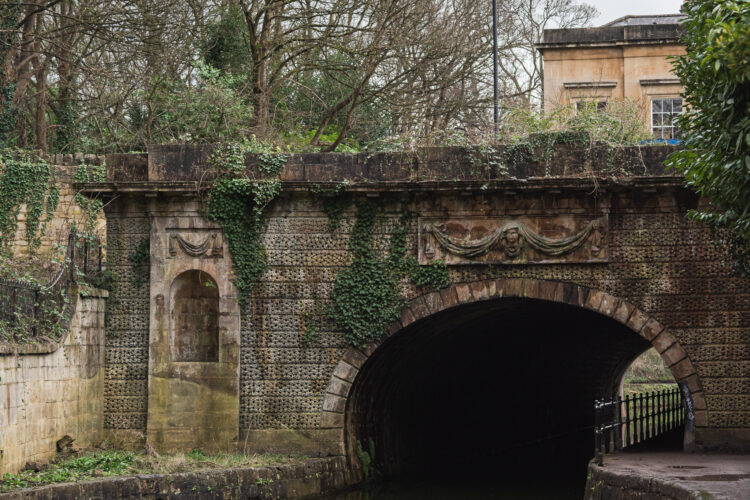
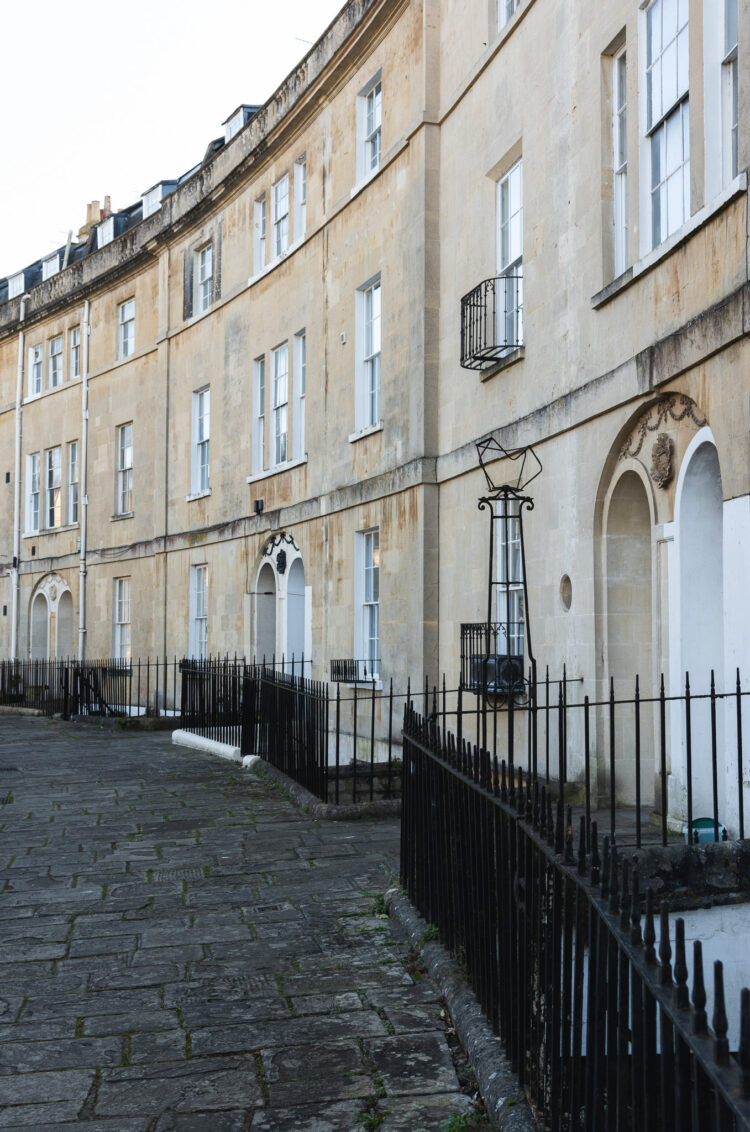
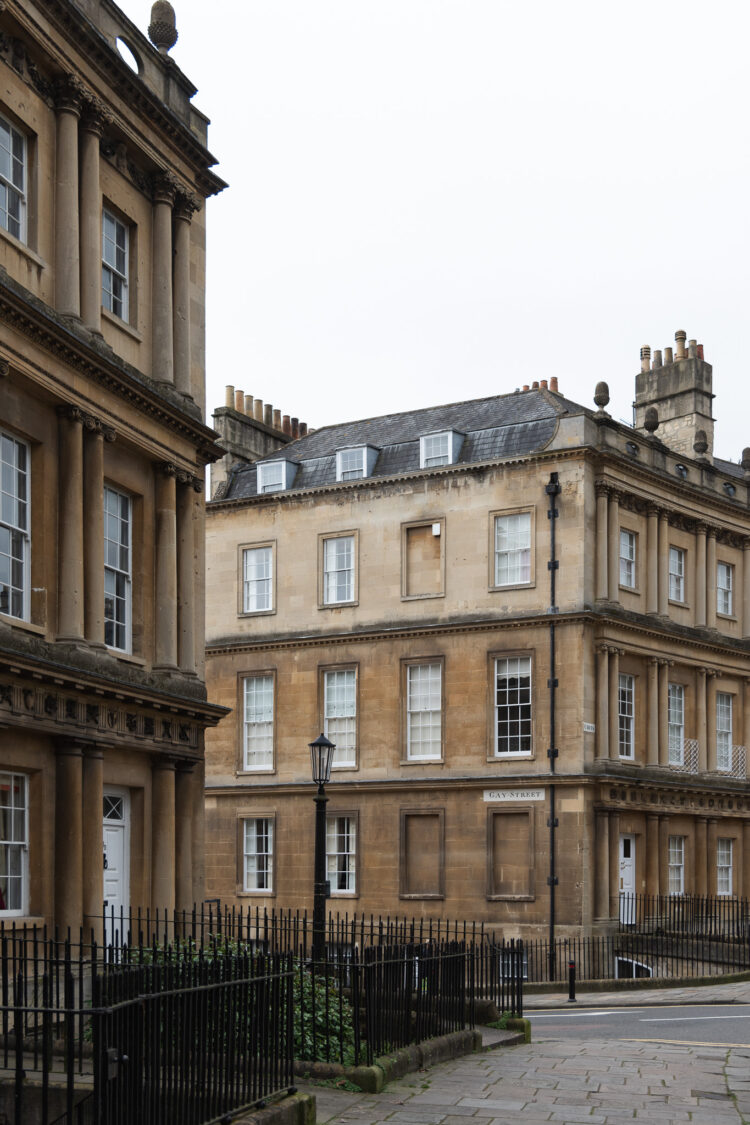
Images, top to bottom: Sydney Place; a view down Bath street; cobbled alleyways near Bath Street; the side elevations of buildings on Great Pulteney Street; engraved signage at the intersection of South Parade and Duke Street; the giant plane tree at Abbey Green; a view of Cleveland House over the iron bridge in Sydney Gardens; a detail of the stonework bridge in Sydney Gardens; Widcombe Terrace; The Circus; a detail of The Circus at Gay Street; an array of Ionic columns at Royal Crescent; the indefatigable St Mary’s Buildings.
FURTHER READING
Bath: Walks Within the Walls, Peter Smithson, 1971.
(Available in a free interactive PDF version, or as a physical book, directly from the Museum of Bath Architecture. To order a copy for £5 inc. P&P email afrost@bptrust.org.uk)