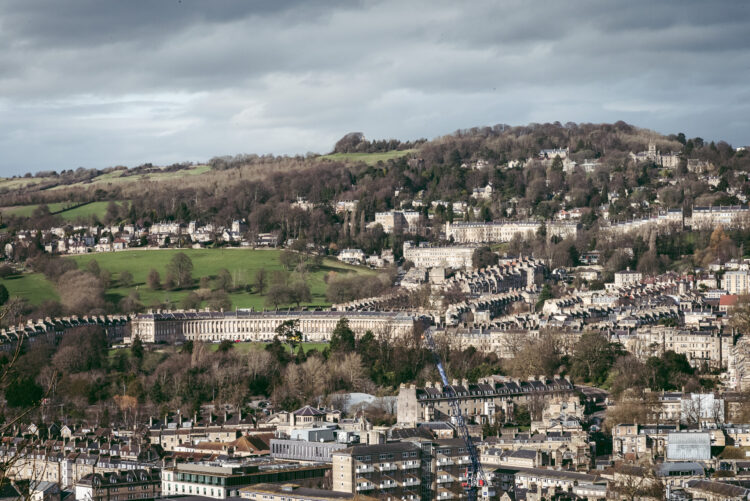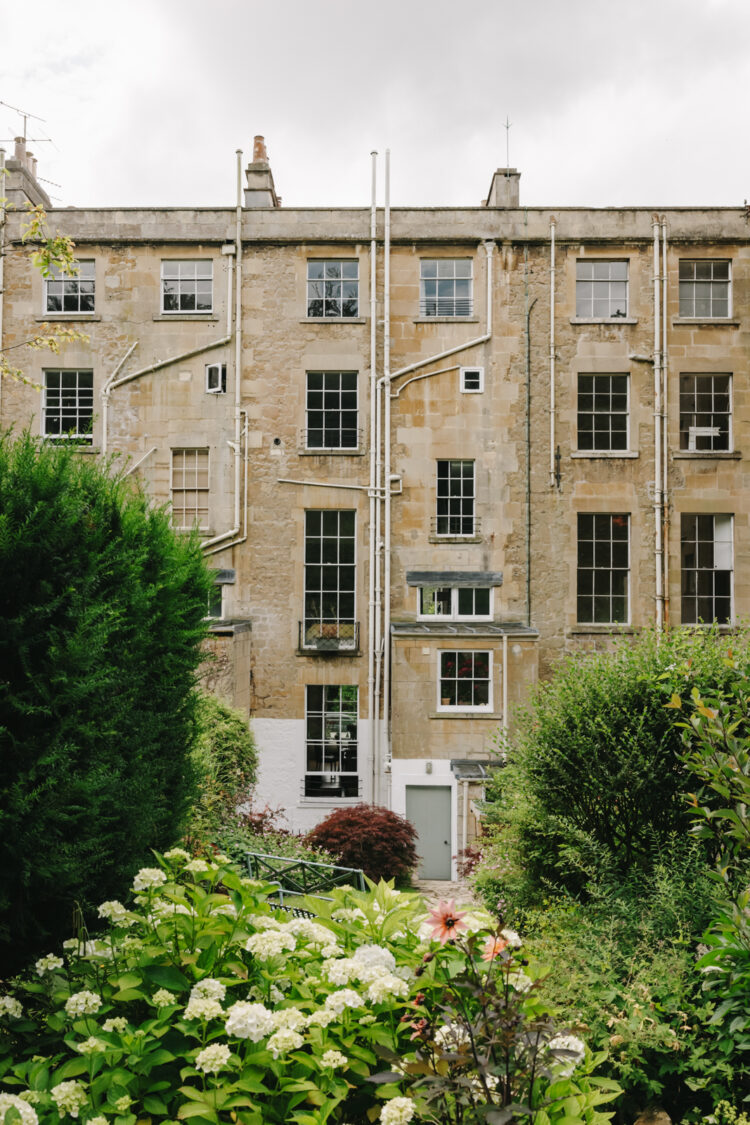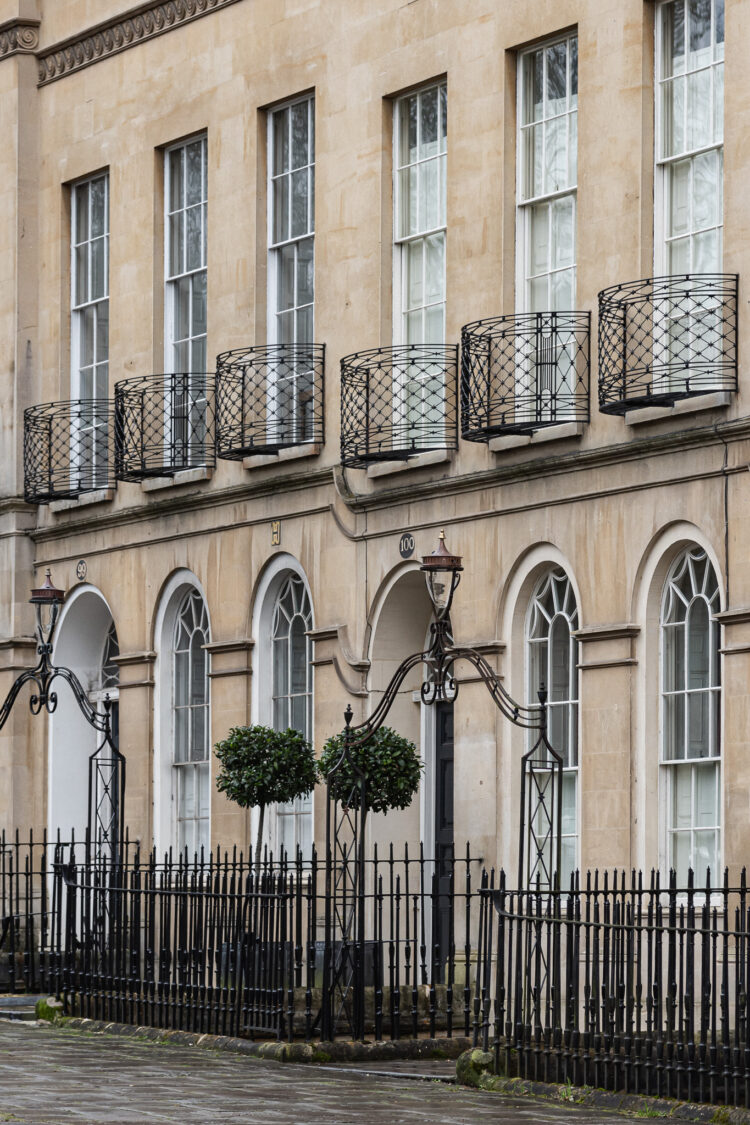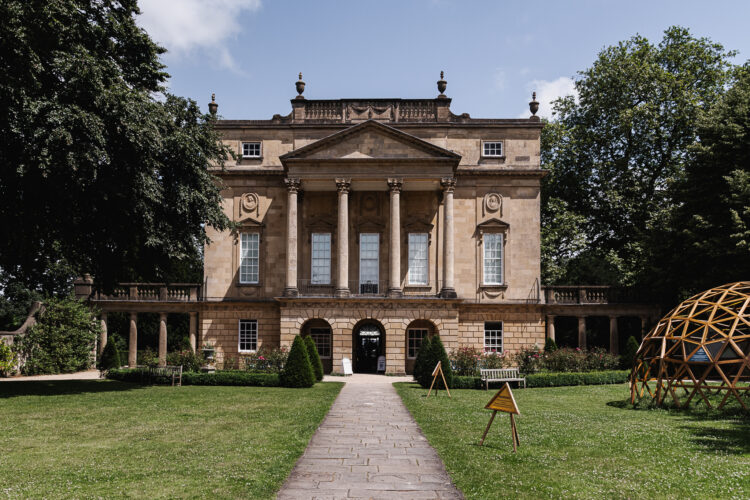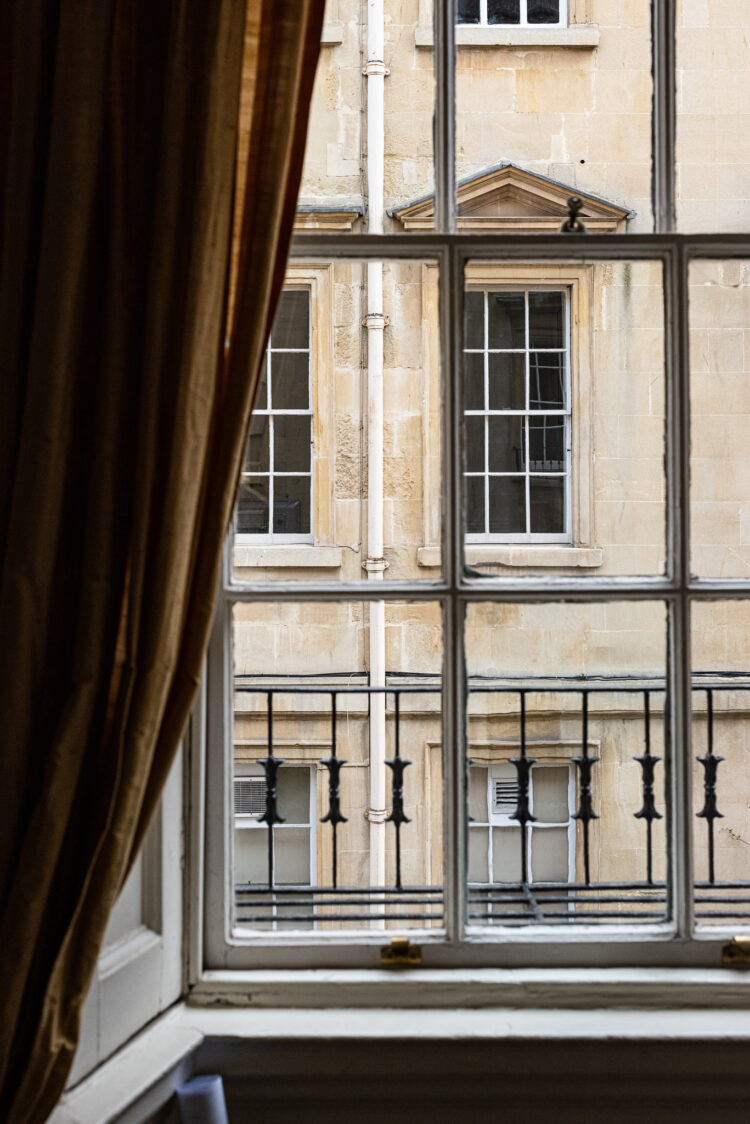



“Oh! Who can ever be tired of Bath?” cries Jane Austen’s Catherine Morland, upon her very first visit. Her impressions are echoed by Fanny Burney’s eponymous Evelina when she writes “the charming city answered all my expectations”; while elsewhere, Charles Dickens ensures that his Mr Pickwick is regaled by the MC of Bath’s Grand Pump Room with tales of nights in the city filled with “moments snatched from paradise”. We cannot help but agree with this parade of literary accolades – nor can, it would seem, the many visitors who have been enticed to Bath’s ancient ruins and elegant crescents for centuries.
Bath was formally established by the Romans as Aquae Sulis in the first century AD. This period was the first of two significant architectural eras in the city’s history (indeed, the features of Roman Bath are still impeccably preserved). For a time after the Romans, the city was an important centre for the wool industry, but it was not until the 18th century that it developed into the thriving spa town of Austen’s novels that remains in popular consciousness today. Many attribute the start of this growth to Queen Anne, who visited to take the thermal waters in 1703 – Bath was originally famed for its natural hot springs and at the time, was mainly attended by those seeking cures for poor health. However, following Anne’s visit, a lively social scene began to flourish, presided over by Master of Ceremonies Richard ‘Beau’ Nash (1674-1761).