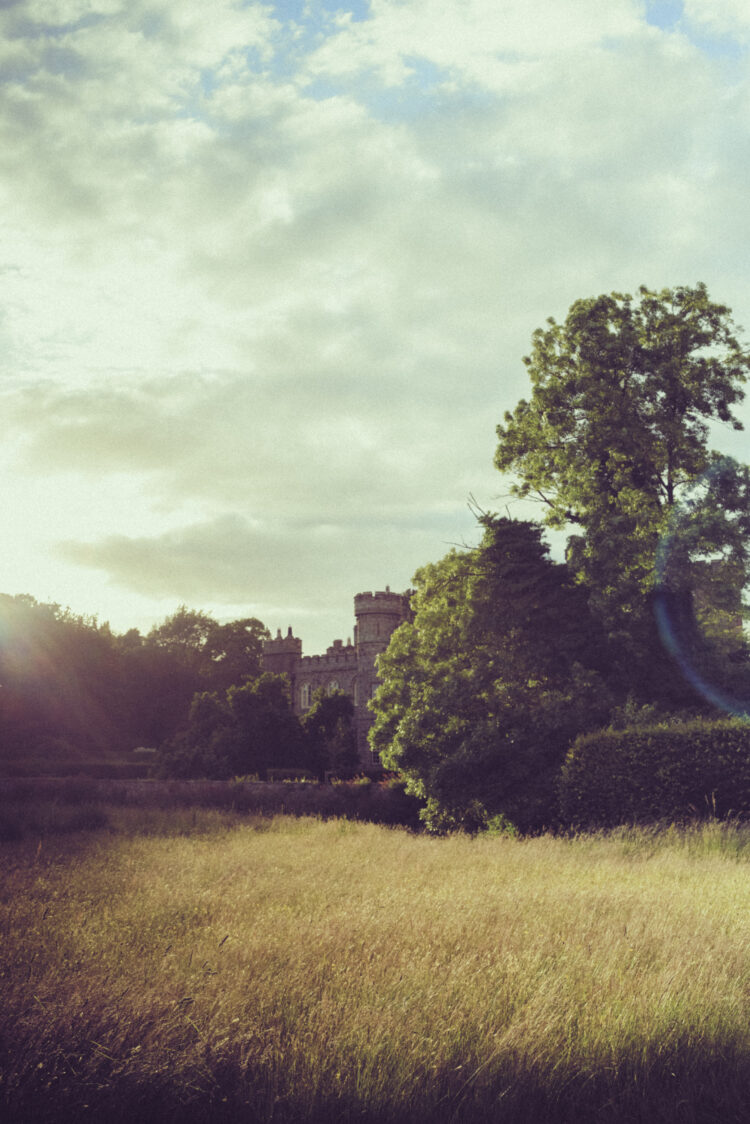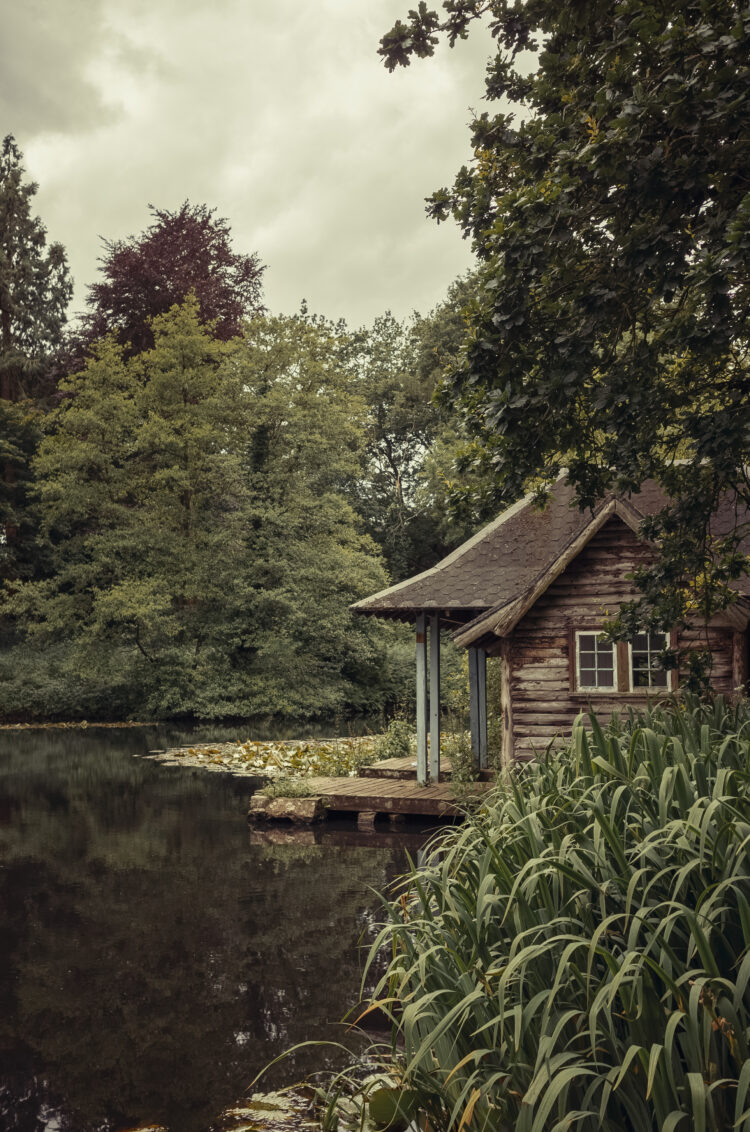



Hawarden, or Penarlâg yn Cymraeg, is a small but perfectly formed village close to the border with England. Leafy, and with a striking tapestry of historic architecture, it is a pretty pocket of the country and a lovely place to live (I’d know – I grew up there). The Hawarden Estate has a strong hand in local life: a varied, versatile and vibrant operation that includes a cheery pub, The Glynne Arms, an enviable village farm shop, a selection of luxury holiday homes and a year-round roster of micro-festivals, walks, talks and events.
Ask anyone who lives in the area and they’ll be familiar with the work of the estate, which currently employs around 100 people. It’s a reciprocal relationship: “The point of us existing is that we exist in Hawarden,” says Charlie Gladstone, the man behind the idea. “When we go further afield, we lose our sense of purpose because a sense of place is critical to what we’re doing … With our business, we have to move it forward and keep it relevant. But the minute you take the essence out of something, you destroy it. So you have to work around that, leaning into the essence of it.”
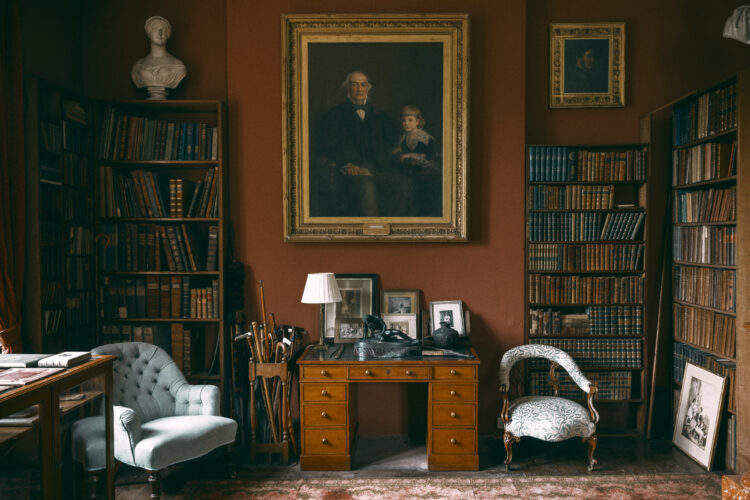
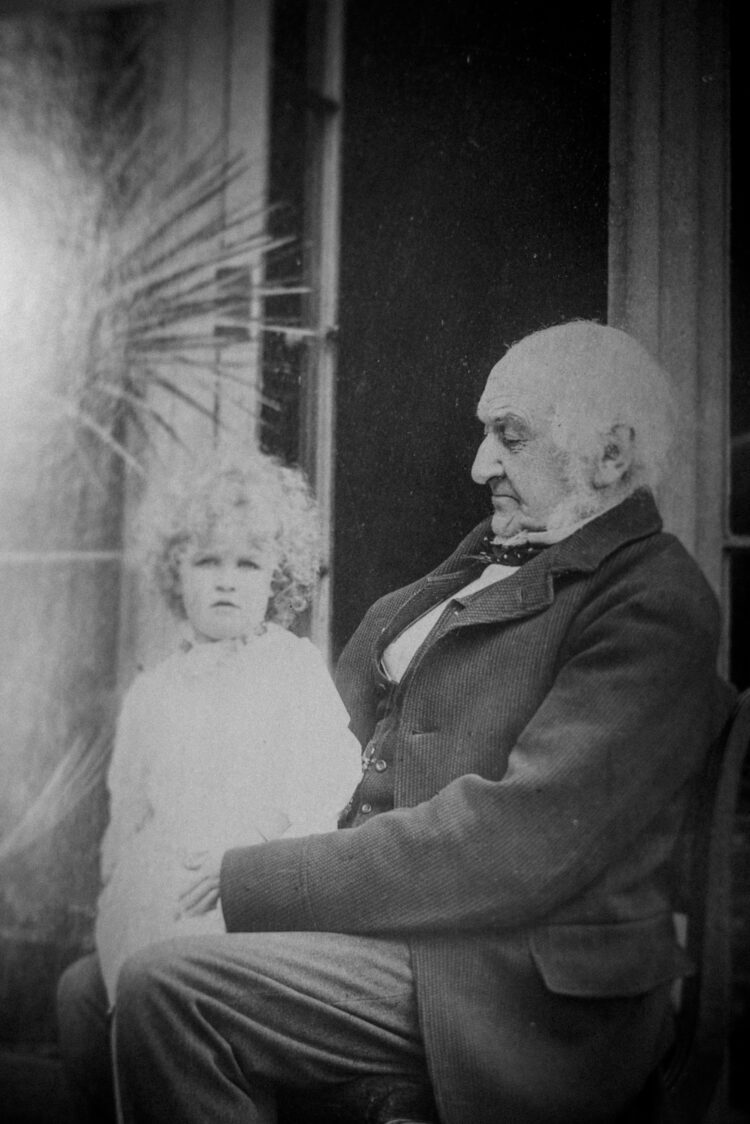
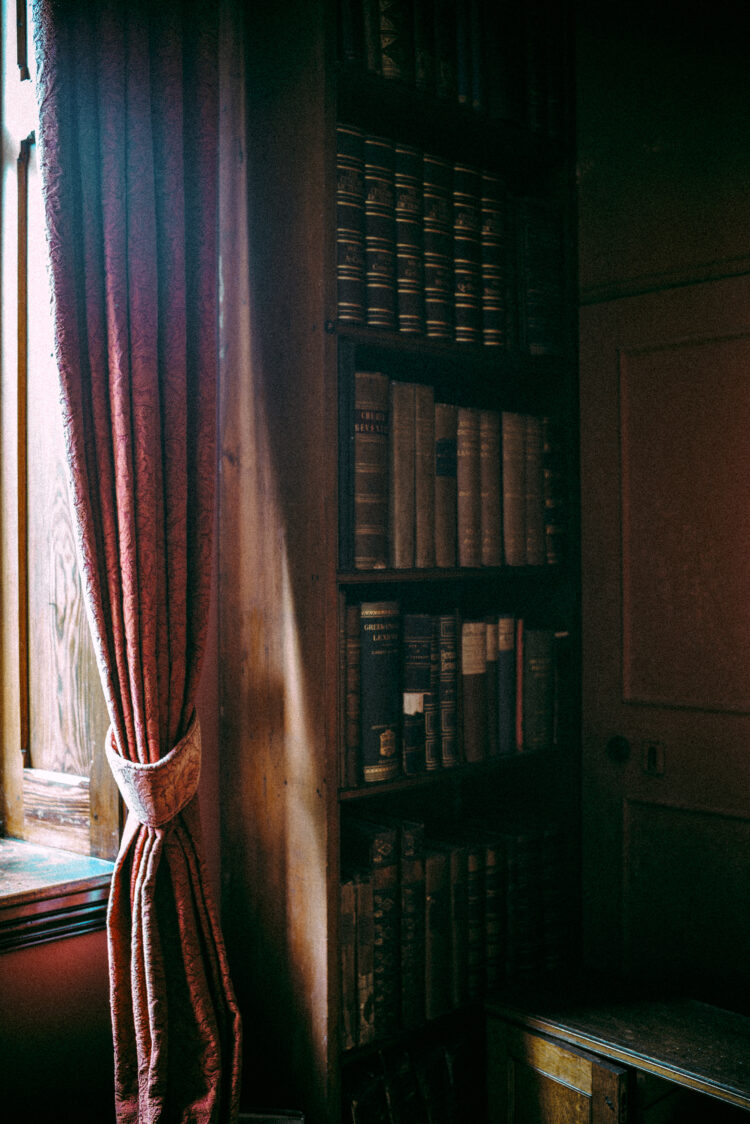
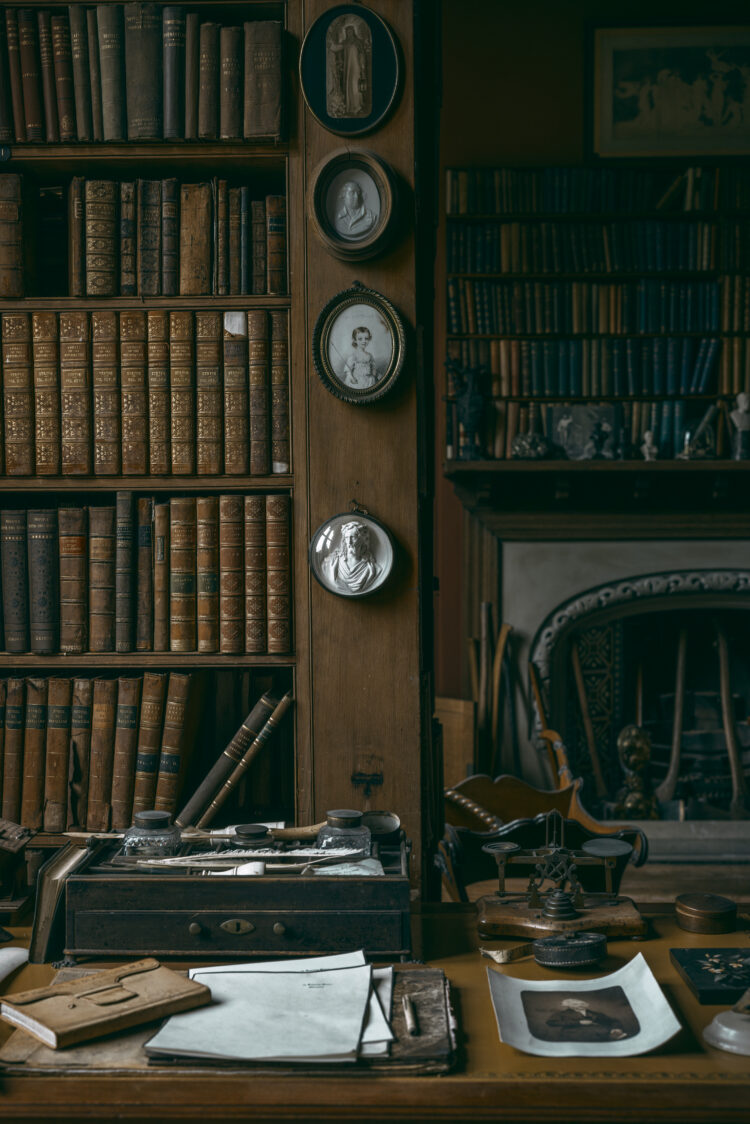
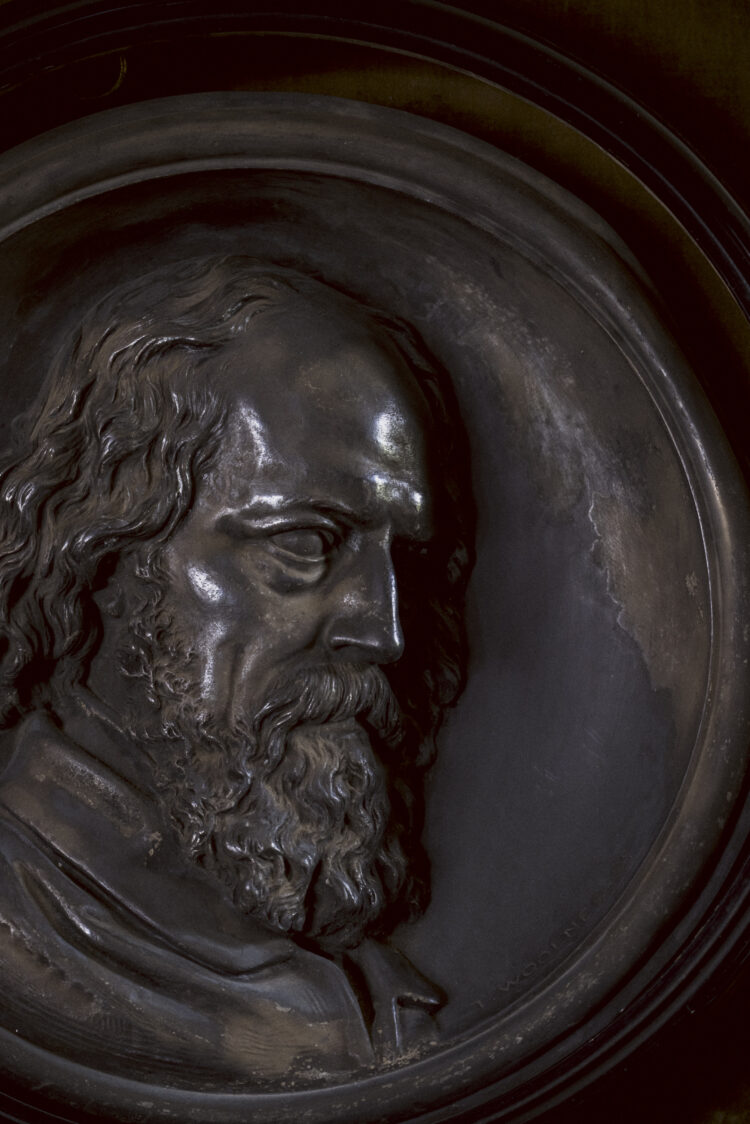
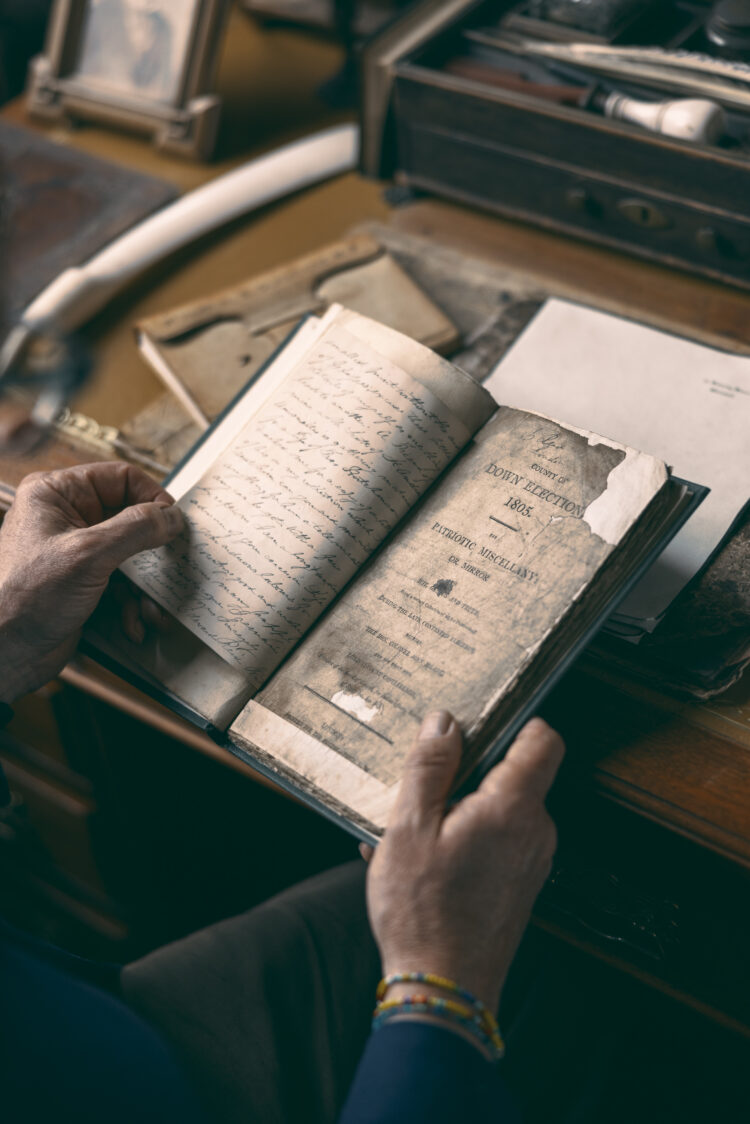
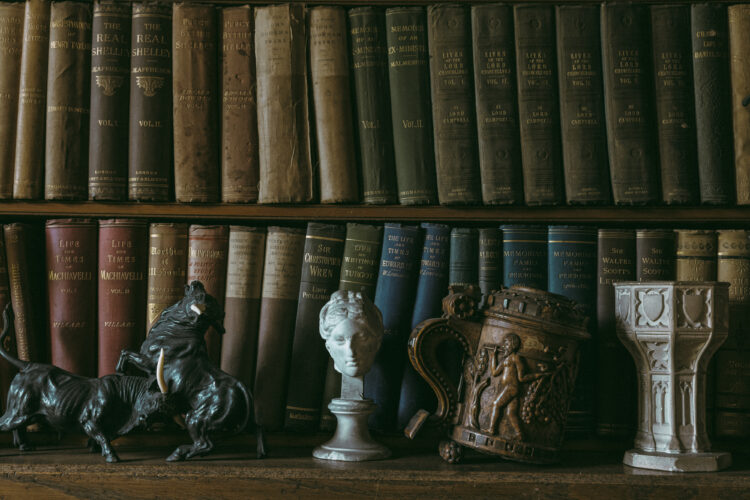
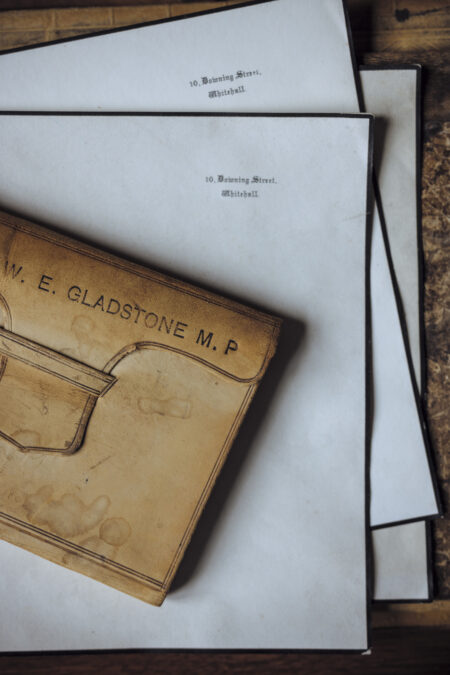
Charlie is the great-great-grandson of former prime minister William Gladstone who made his home in the village with his wife, Catherine Glynne, in the late 19th century. The house itself was built in the mid-18th century – a striking country pile with a crenellated roofline that peers out from luscious parkland. Rather than change this important part of its life, Charlie tells me that he’s opted for more of an in-situ solution: “Moving into this old house, we realised there was an interesting way that we could decorate, which was to merge old and new,” he explains. “We have family portraits, but we also have contemporary art and furniture alongside period pieces, so our style developed through trying to make the house beautiful in our eyes. As a result, it’s become quite colourful and playful because it’s a good way of making these houses warm and approachable.” In doing so, Charlie and Caroline have cultivated a recognisable style, but this has come through slow, sensitive work, with a keen eye to the house’s history.