InigoInigo Logo

A Private View: a 16th-century house reveals undreamt-of finds during its painstaking restoration

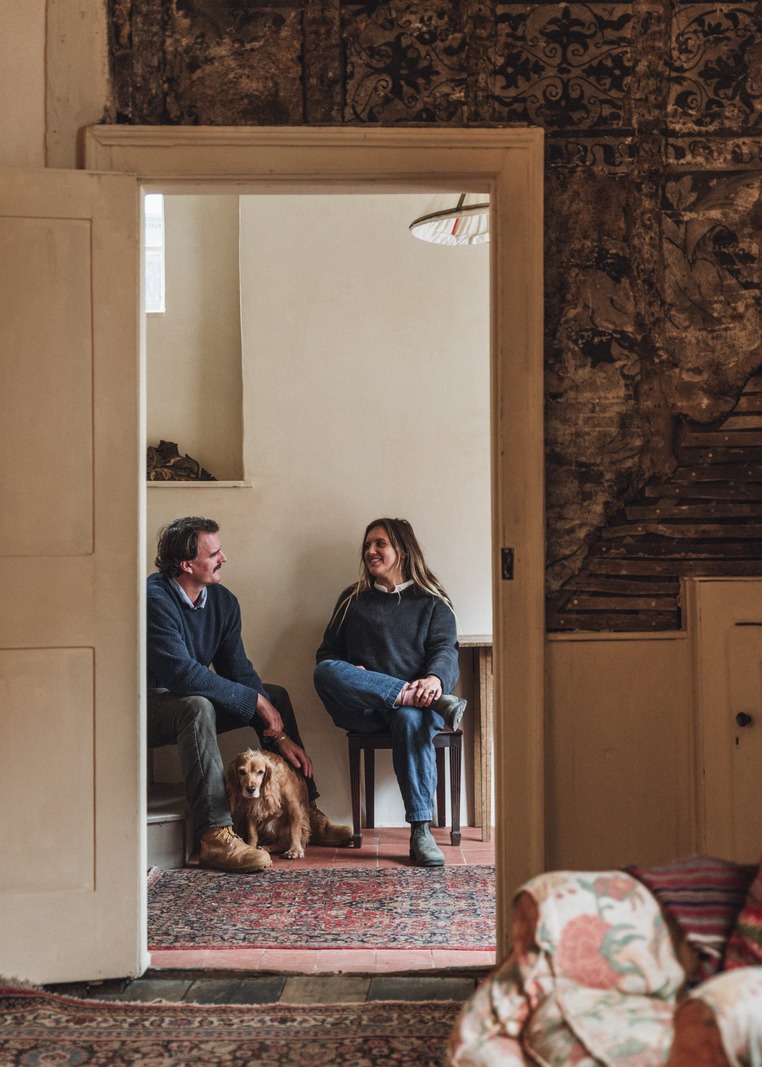
Three years ago, Cath Bouverat and James Wilson bought a house they weren’t looking for, in a town they weren’t looking in. Yet, it presented an irresistible challenge to this pair of ardent antique dealers. Now, as the house comes onto the market again, they share how they pulled a rabbit out of a hat, using traditional building methods, natural materials and period detailing to 'gently and properly’ bring their home back from the brink

Homes / Interiors
Words
Grace McCloud
Photography
Marcus Quigley
Portrait photography
Sam Grady
A Private View: a 16th-century house reveals undreamt-of finds during its painstaking restoration

Restorers of old houses, though the buildings in question vary in infinite ways, are linked not just by a passion that can veer into obsession, but by another, even rarer thing: luck. After all, fortune favours the brave.

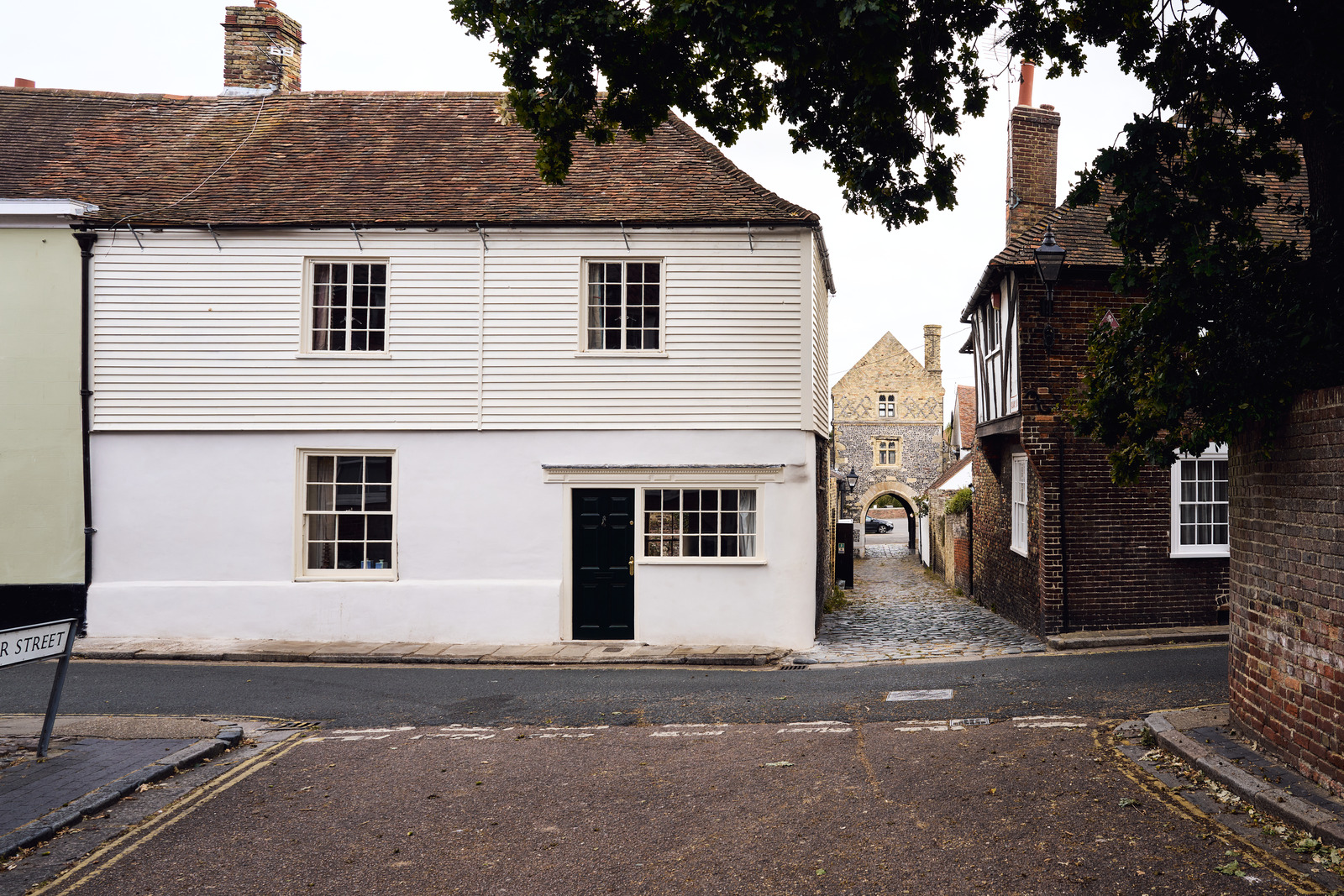
And Cath Bouverat and James Wilson have been as lucky as they have courageous. The mammoth restoration of their house in Sandwich, currently on the market, has had its pitfalls, certainly, but in the three years since they bought it, the couple have made undreamt-of discoveries and some of the most fortuitous finds imaginable. That said, it’s due in no small part to their eye for a good thing: James’s family background is in reclamation: his brother runs Yew Tree Barn in Cumbria, and he and Cath are behind the antiques business Repton & Co. No wonder, when they saw this 16th-century house – in desperate need of love – for sale they pounced.

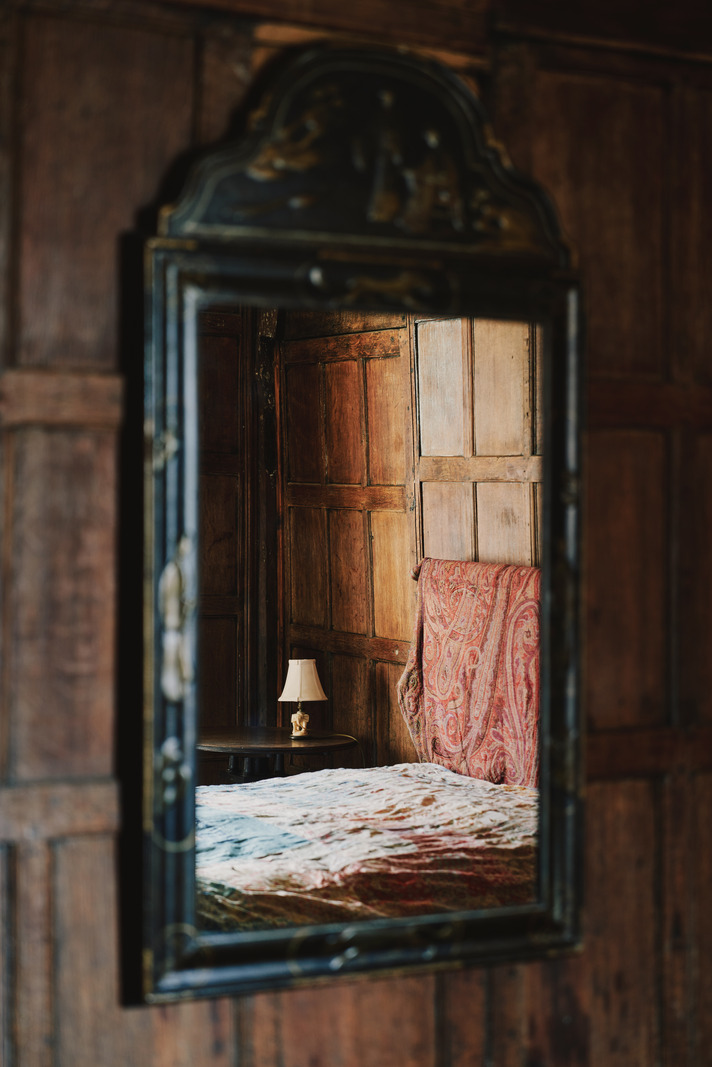
It was not the house they were originally looking for, however. It wasn’t even in the right town. But which self-respecting antiquarian could ignore intact early 18th-century panelling? “There were just so many things like that that made it feel like it was a better house than we could afford,” James says. Happily, they had been looking for a project, which was what they got. The result is something really quite special and genuinely authentic, thanks to the couple’s commitment to traditional building methods and period detailing.

Now, having enjoyed the challenge so much, they’re looking to do something similar elsewhere, not just for themselves, but for others too, as they plan the expansion of Repton & Co into heritage design consultancy. Their satisfaction at having made “a house feel right”, as Cath puts it, is palpable. It’s justified, too.
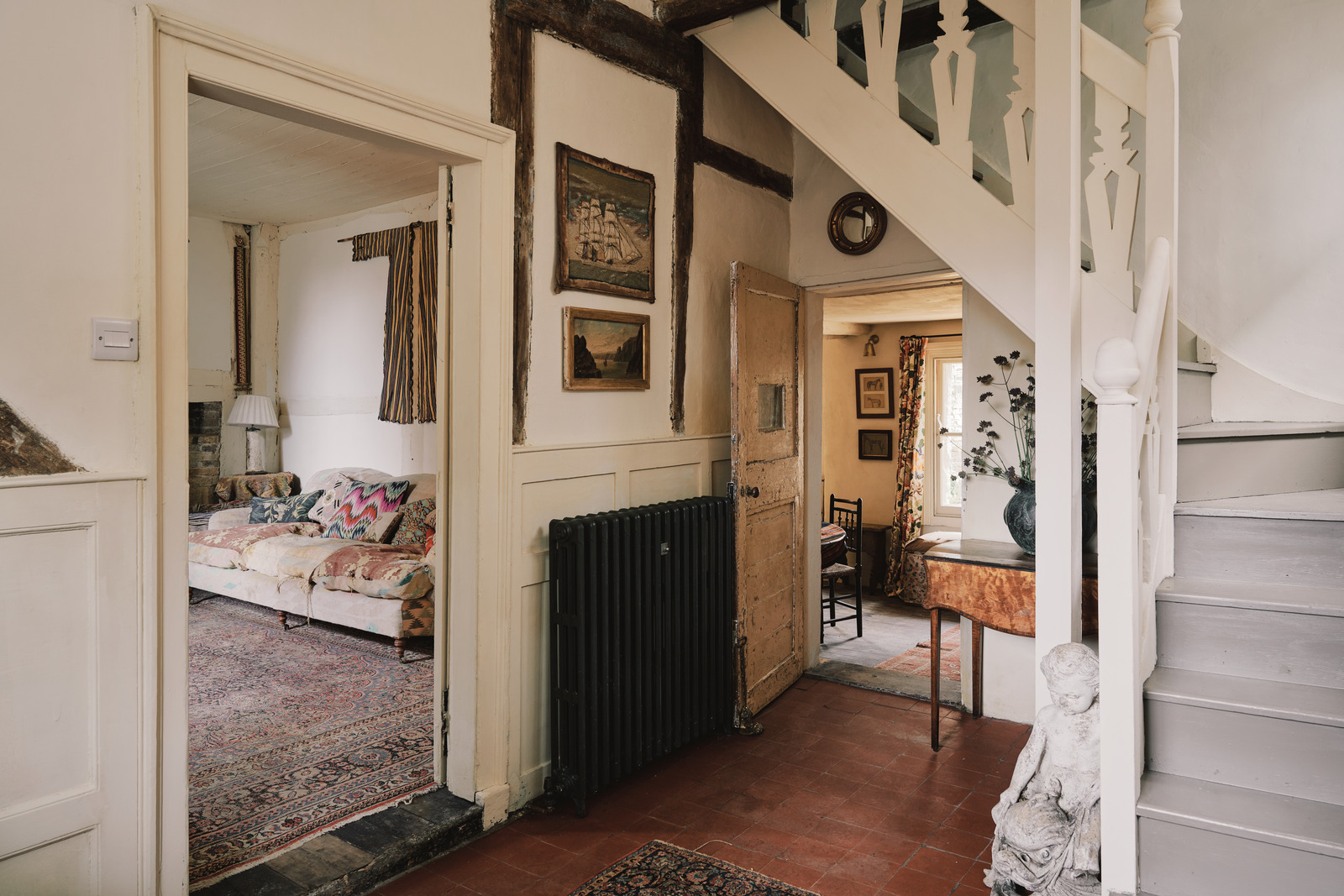
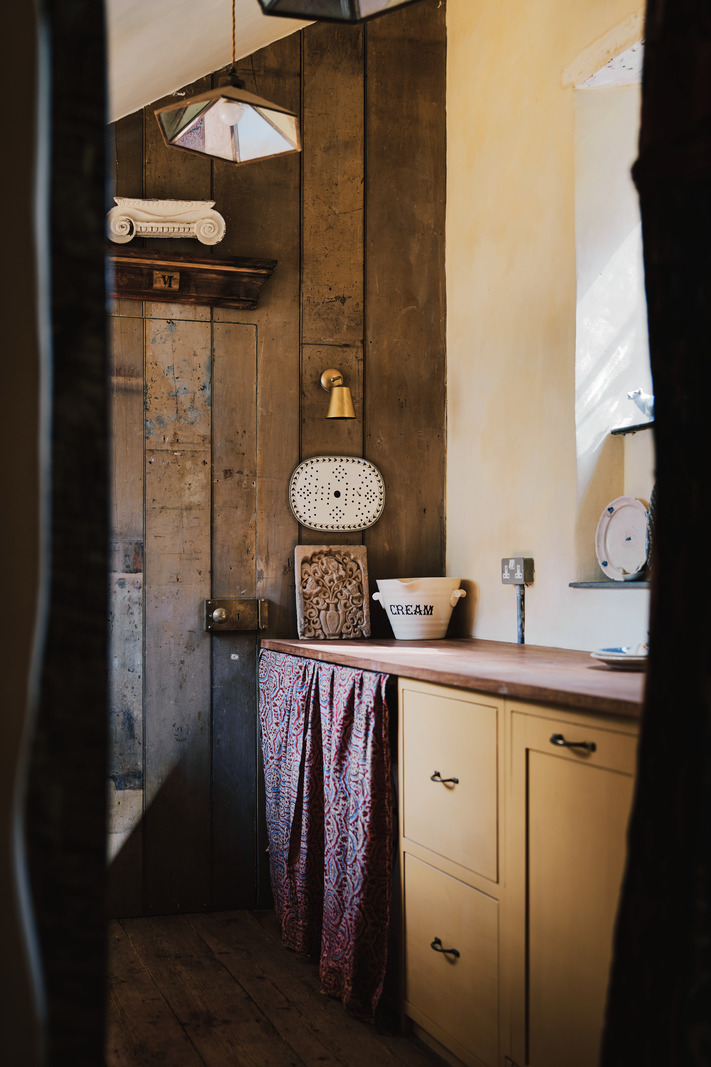
Cath: “The house, when we saw it, had been lived in by the same person since the 1980s. Nothing had been done. Even though it wasn’t what we thought we were looking for, we walked in and it just felt so good.”

James: “We’re always after a project – it’s what we like to do – but finding a house with its bones intact and that isn’t too expensive is difficult. This has none of that – no modern bathrooms or expensive kitchens that we had to rip out. All we really did was peek under the carpets to make sure the original floorboards were still there. Once that was confirmed, we knew we could do it. It was super exciting.”

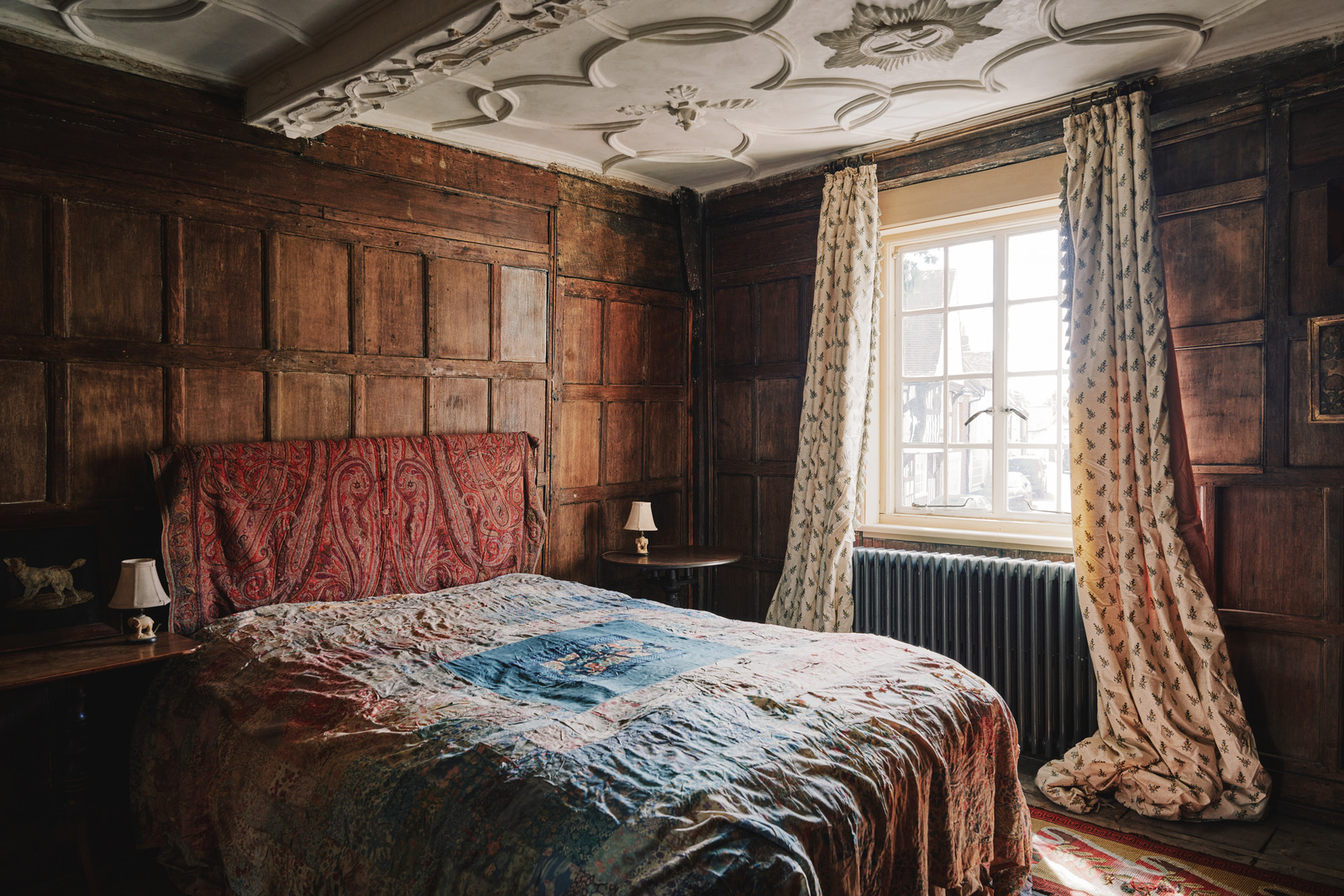
Cath: “In the panelled room, we found 16th-century floorboards that were 14 inches wide, hidden beneath two layers of additional flooring. They were unbelievable! But also in terrible condition. James, having grown up in the reclamation business, is brilliant at knowing where to look for things, but we were a bit stumped by these, which were just so huge. Then, the most amazing thing happened …”

James: “One day, I walked past a man a few doors down from us, loading the very same floorboards into his car – the same width, the same lap joint. They could have even come from the same tree. He was taking them to the tip, but he agreed to let me have them. I couldn’t believe my luck!"

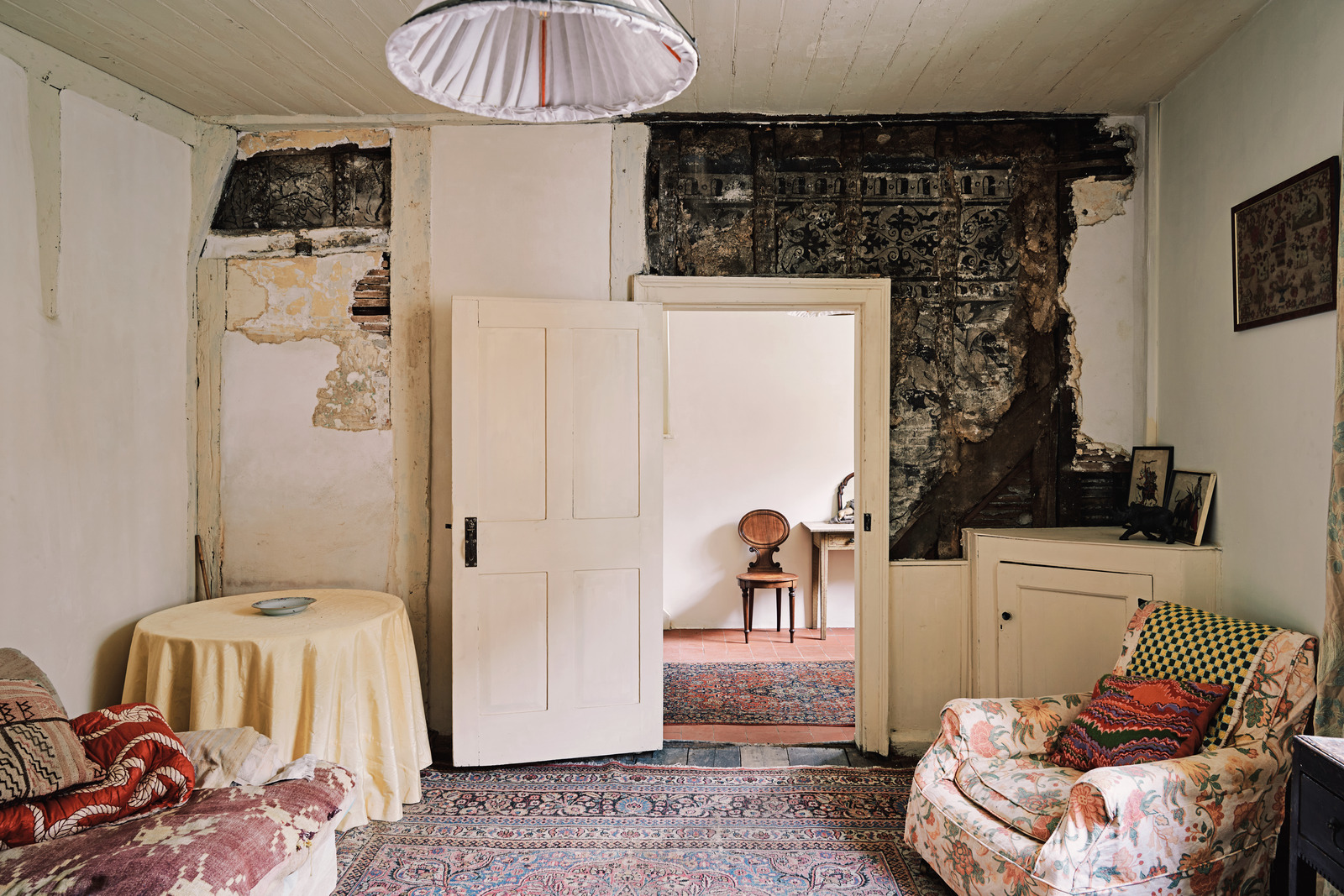
“The Tudor mural was another astonishing discovery, which I found while prising off layers of blown Georgian plaster on a wall that had gone soft. Behind that was some early wattle and daub. I pulled out a chunk with my hand and on the reverse, to my amazement, was a painting of a rabbit in black and white, unseen for hundreds of years."

Cath: “I have always loved rabbits, so you can imagine my excitement!.”

James: “Annoyingly, we’d just redone the lime plaster in the room this hidden wall faced – but I knew we were going to have to undo it. I think the house wanted it to be found.”

Cath: “We believe the mural was done to celebrate Elizabeth I’s visit to Sandwich in 1573. Back then, this house would have been right on the shoreline (it’s now retreated), and she may well have landed right here when she arrived. People would have painted their houses to mark the occasion.”

James: “Discoveries like that have really led the restoration of this house. They’re a reminder of the value of doing things gently and properly. And I have absolutely loved learning how to do that as I’ve gone along. Of course we’ve used experts – builders, plumbers, electricians – but I’ve also worked one-on-one with craftspeople to learn how to look after a building like this – what proper hot-slaked lime plaster can do for an old building that needs to breathe, for instance.

“Twelve people alone worked on the moulded ceiling in the panelled bedroom, led by an artisan plasterer named Philip Gaches. We’d heard from a neighbour that that room might have once had a strapwork ceiling, so we decided to reinstate it. Philip, who is brilliant – he has just finished at Castle Howard – came for two weeks with a team of people who wanted to learn from him. They were all already skilled, but they used our ceiling to practice. It’s lovely knowing so many people had a hand in making that thing of beauty, but it’s also a great reminder that work like that doesn’t have to be prohibitively expensive.

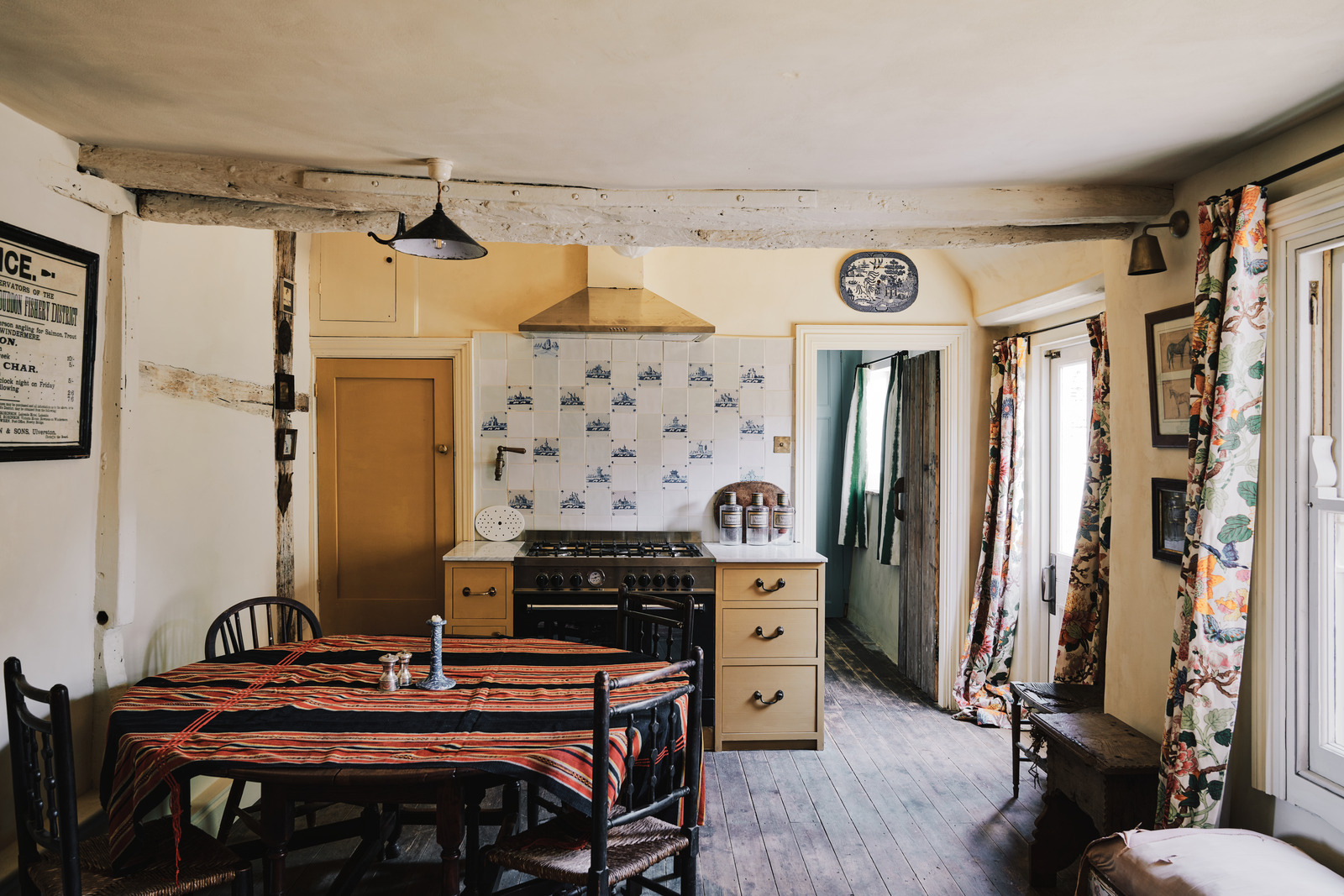
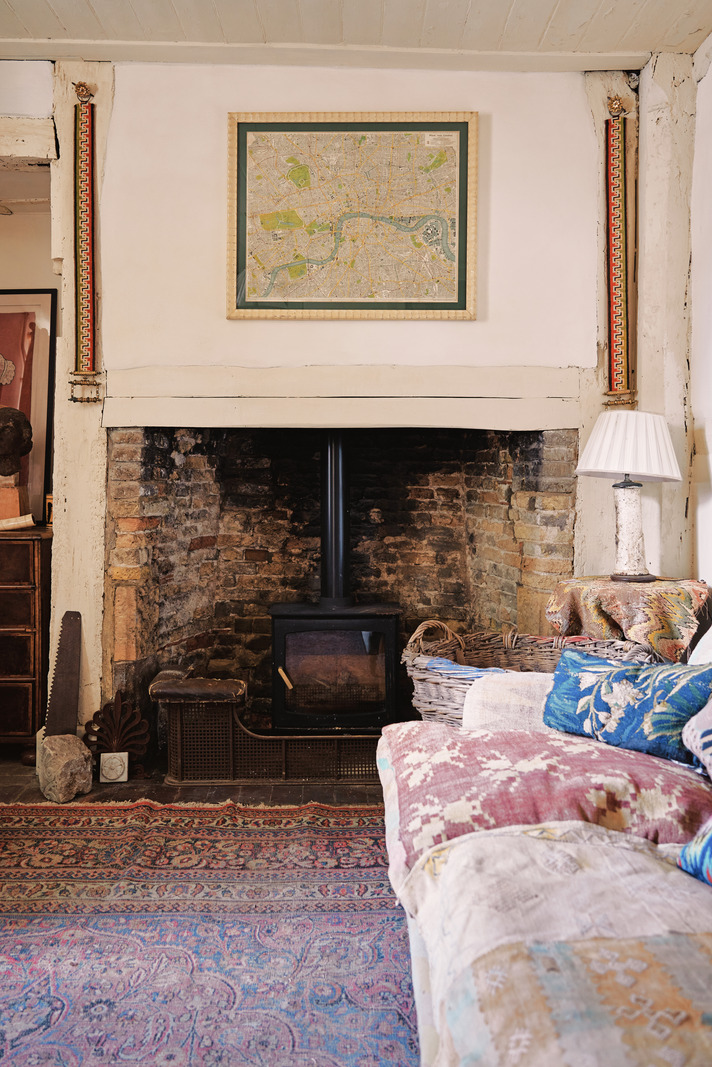
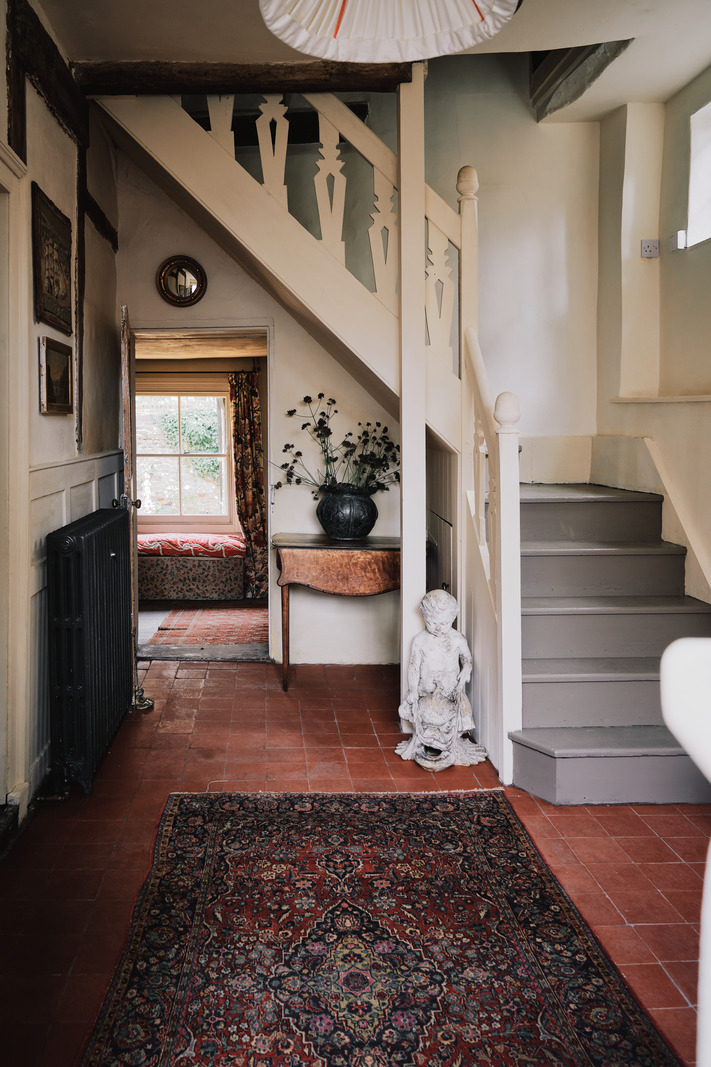
“Doing things properly is really important to us. Where possible, I’ve mended things or found period-appropriate pieces at our local salvage yard. We’ve used natural lambswool insulation. The walls are all lath and lime plaster and they’re painted with casein distempers, made by Ingilby Paints from Suffolk, which are brilliant – they’re breathable and have a real luminosity.

“So often when you buy a very old house, you’ll be offered modern solutions to problems – like suffocating damp-proof coursing – that historic building practices can fix. Really you should ask yourself, ‘How was this house made?’, then do the same again. This project has been an amazing learning curve on that front. What I’d love is for it to stand as a demonstration of the kind of things you can do in old buildings.’

Cath: “Our work feels like a kind of modern Arts and Crafts movement, I think. It’s a quiet response to the speed and abstraction of contemporary life. With two small children, we’ve become even more aware of how fast the world is changing and we find ourselves instinctively pushing back against that pace. By engaging our hands in the creative process and collaborating with local and traditional craftspeople, we’re reconnecting with the tactile, the slow and the human.

"We’ve become a bit obsessed with allowing the house to be how it ought to be, while shaping it into a comfortable family home that truly works for everyday life. By letting the building breathe and function on its own terms, rather than forcing it into something it’s not, you discover a kind of harmony – and that’s when you really get the best out of it."

Upper Strand Street, Sandwich, Kent

view listing
A Private View: a 16th-century house reveals undreamt-of finds during its painstaking restoration