


A tired swimmer in the waves of time
I throw my hands up: let the surface close:
Sink down through centuries to another clime,
And buried find the castle and the rose.
– Vita Sackville-West, ‘Sissinghurst’
The village of Charing in Kent takes its name from the Old English ‘cyrran’, a word that usually means ‘to turn’ or ‘to bend’, but which carries a range of secondary associations: ‘to churn thoughts’, ‘to convert’, ‘to change’, and ‘to transform’.
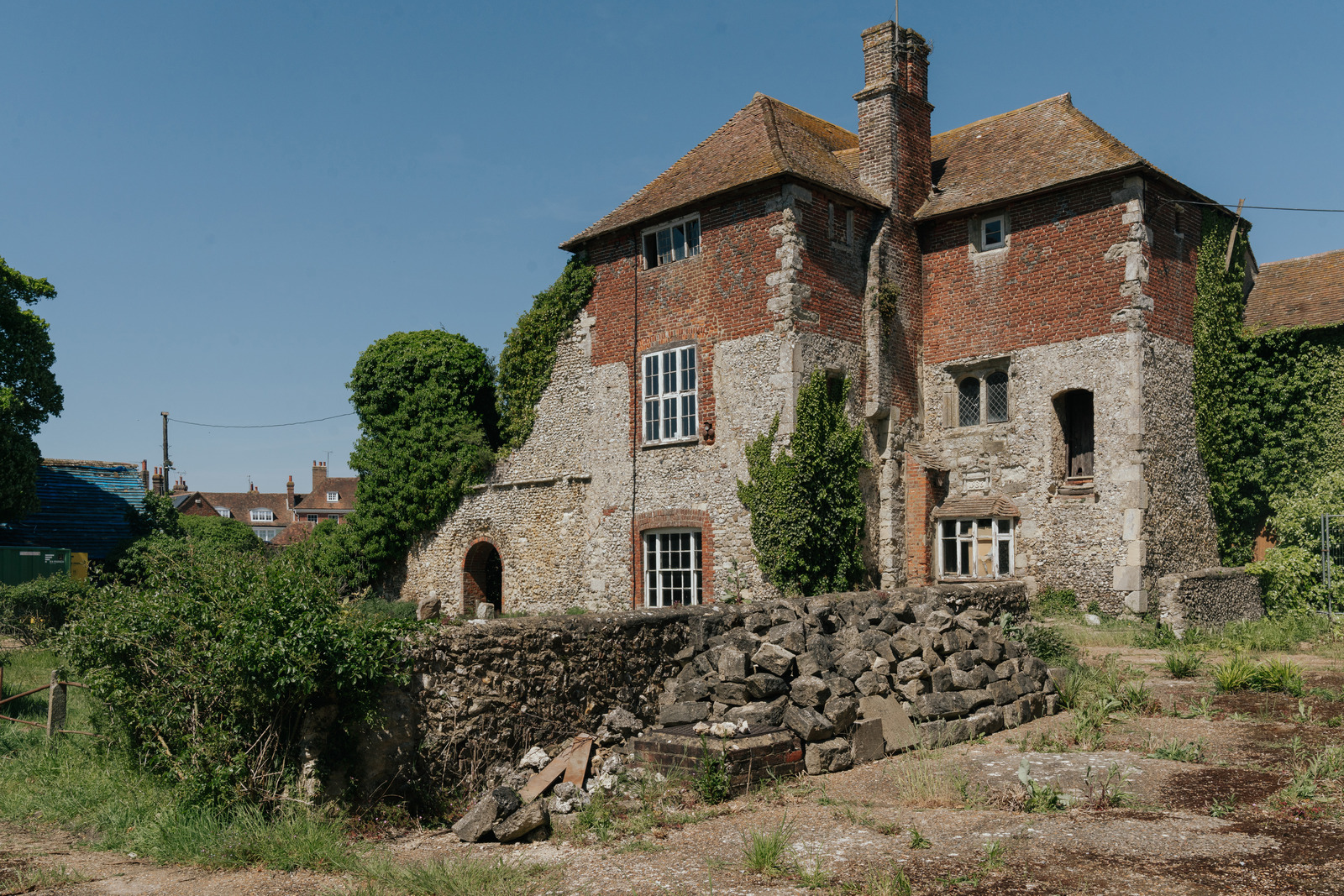
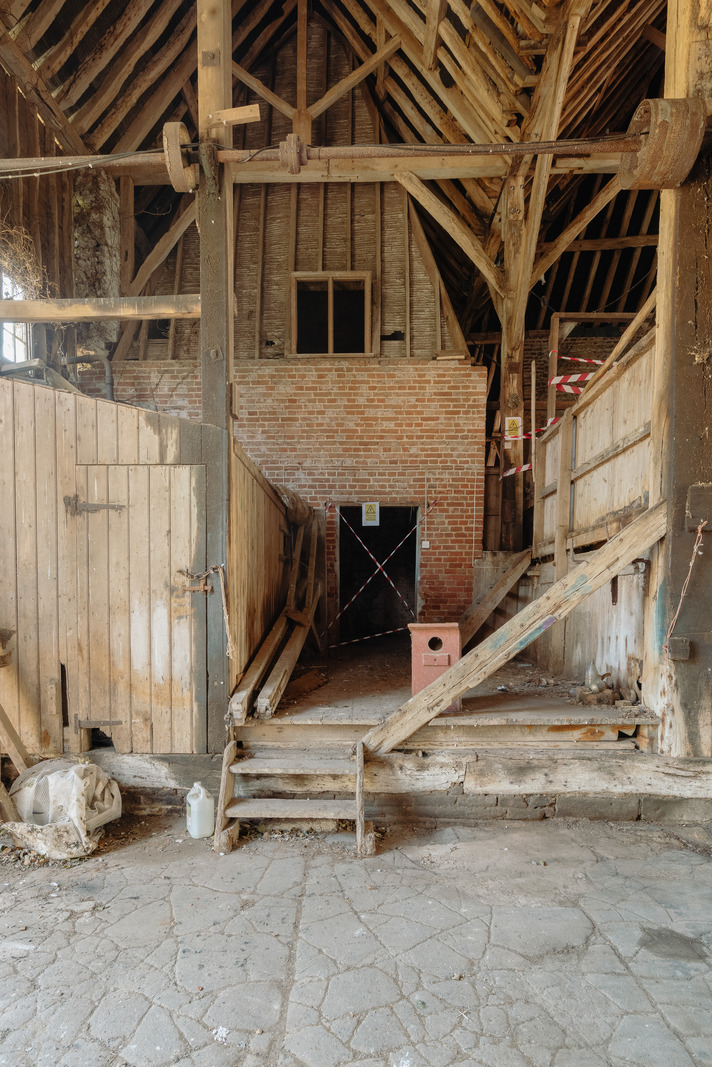
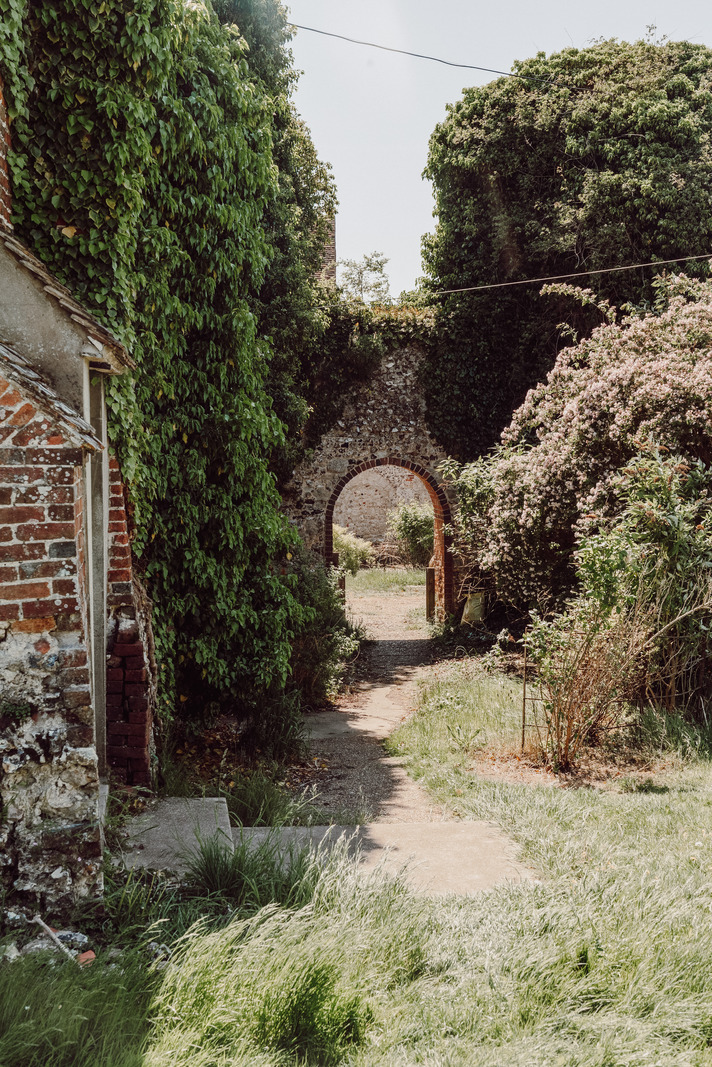
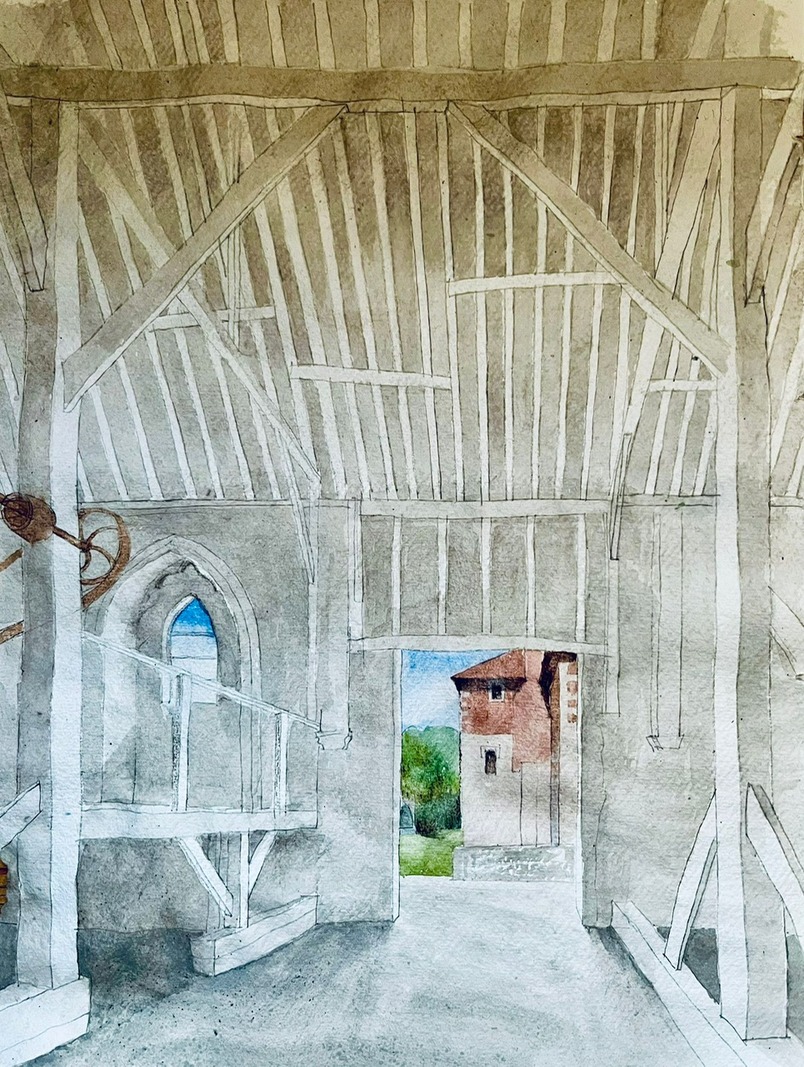
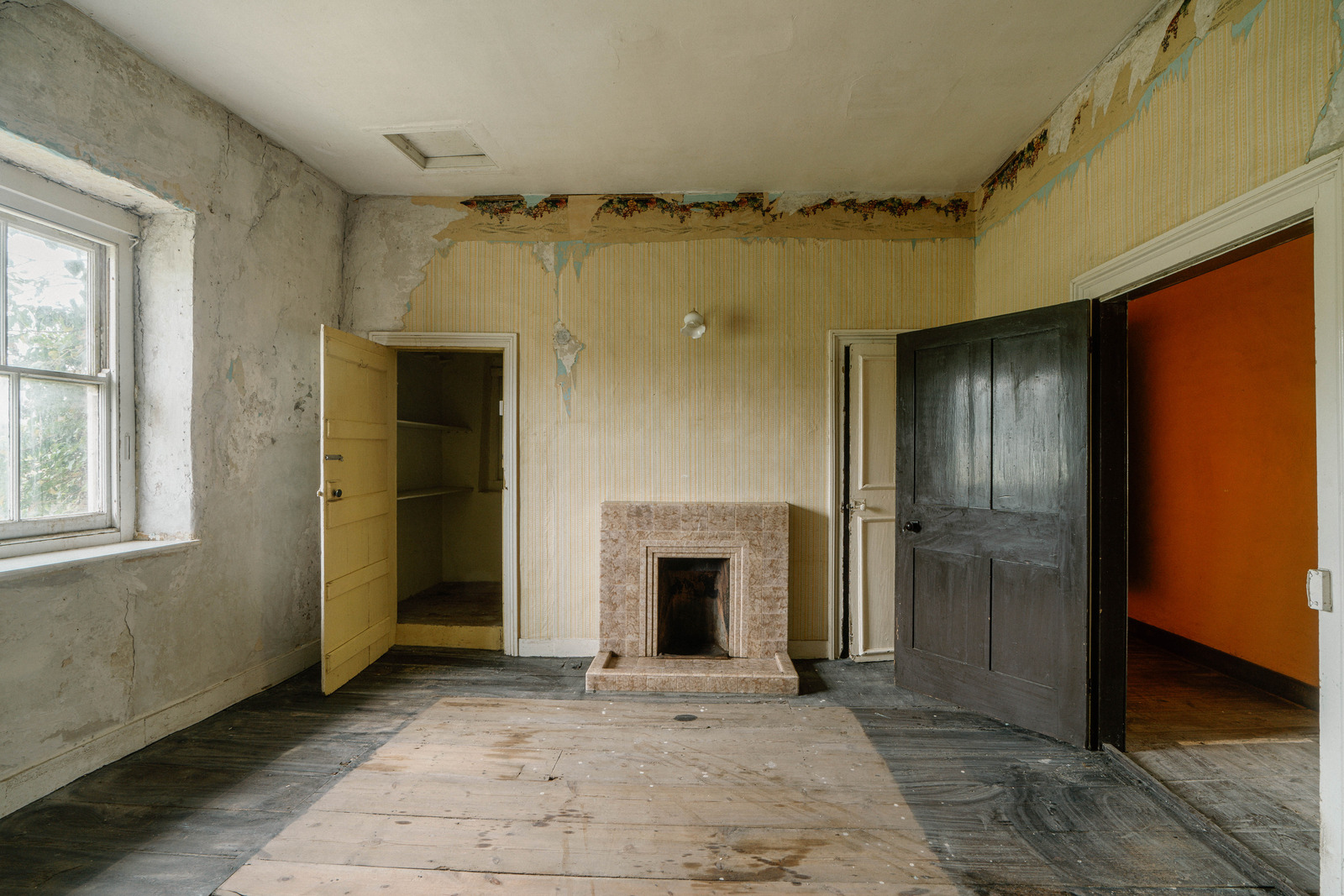
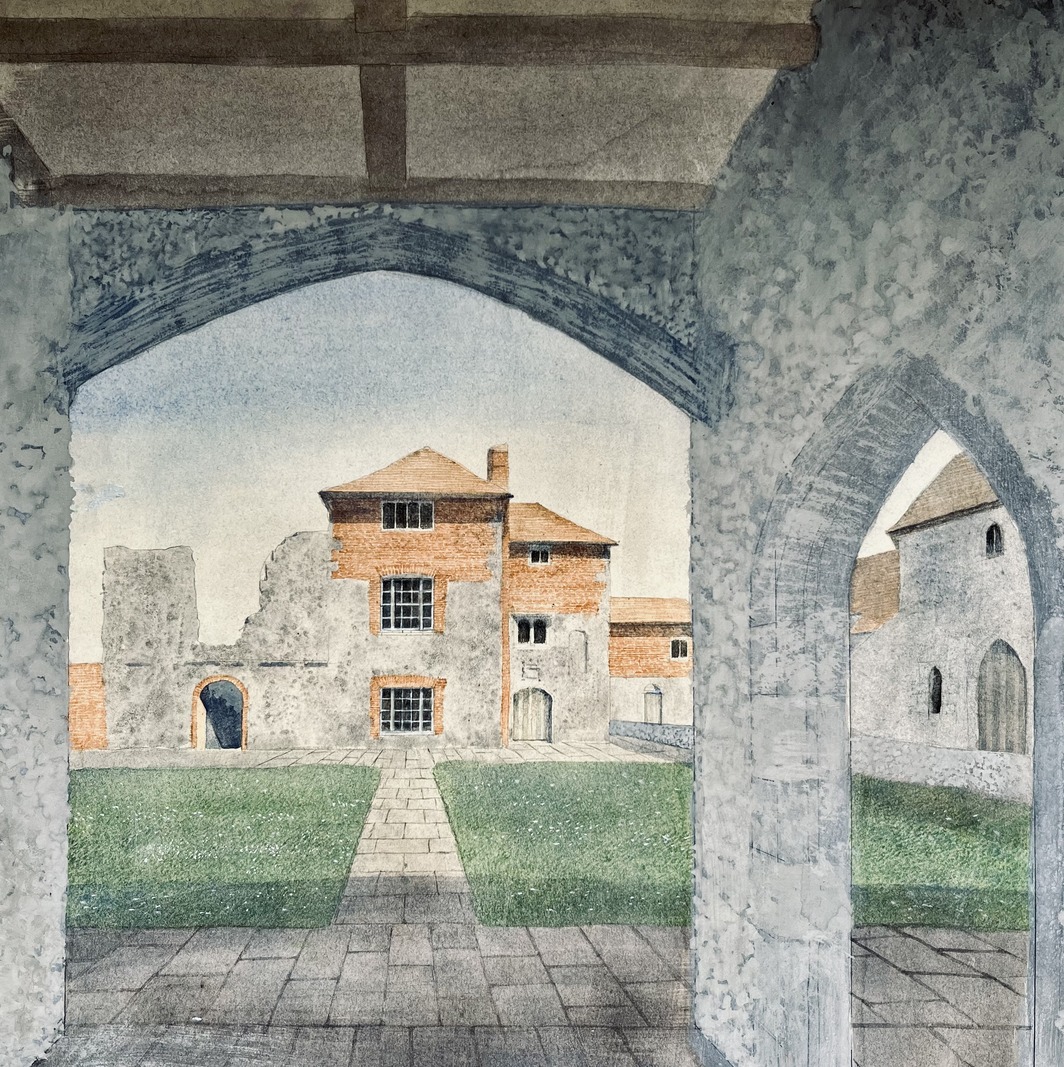
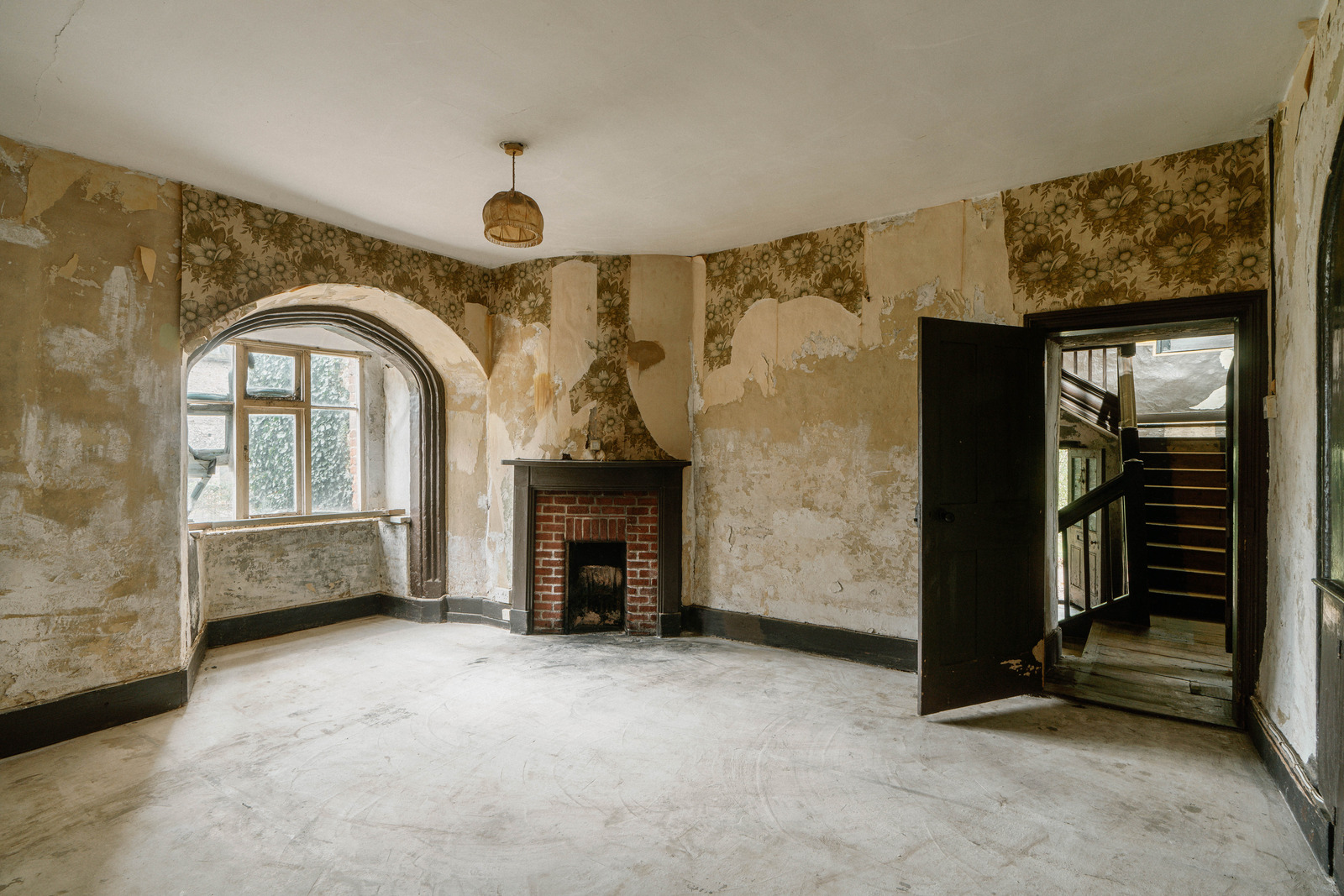
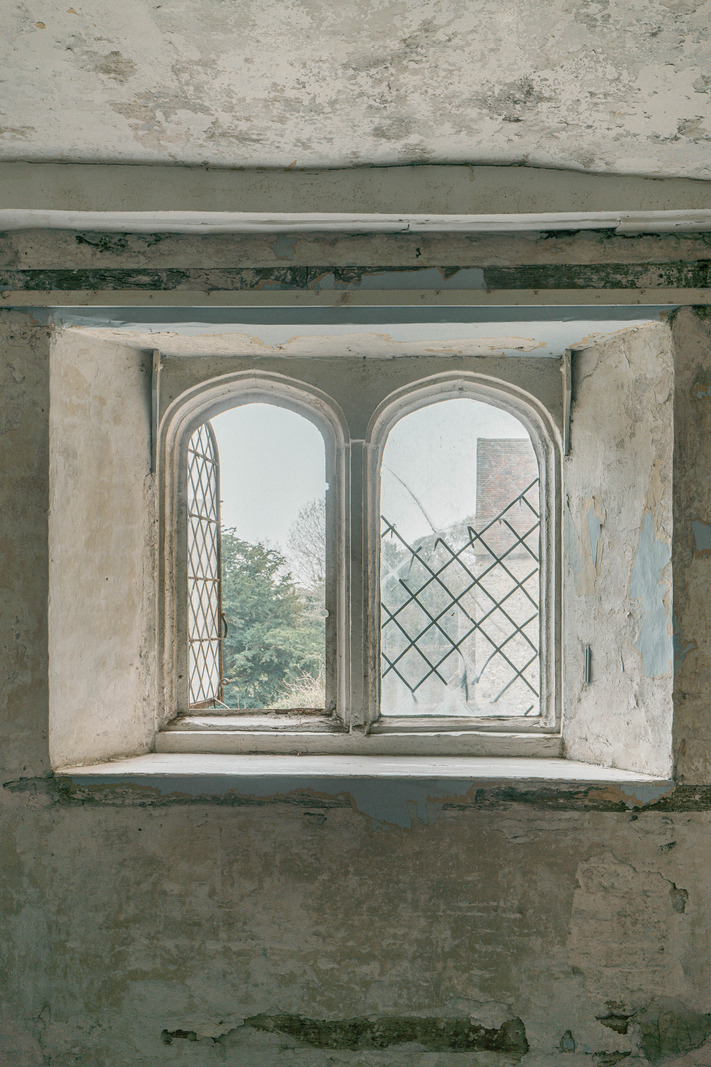
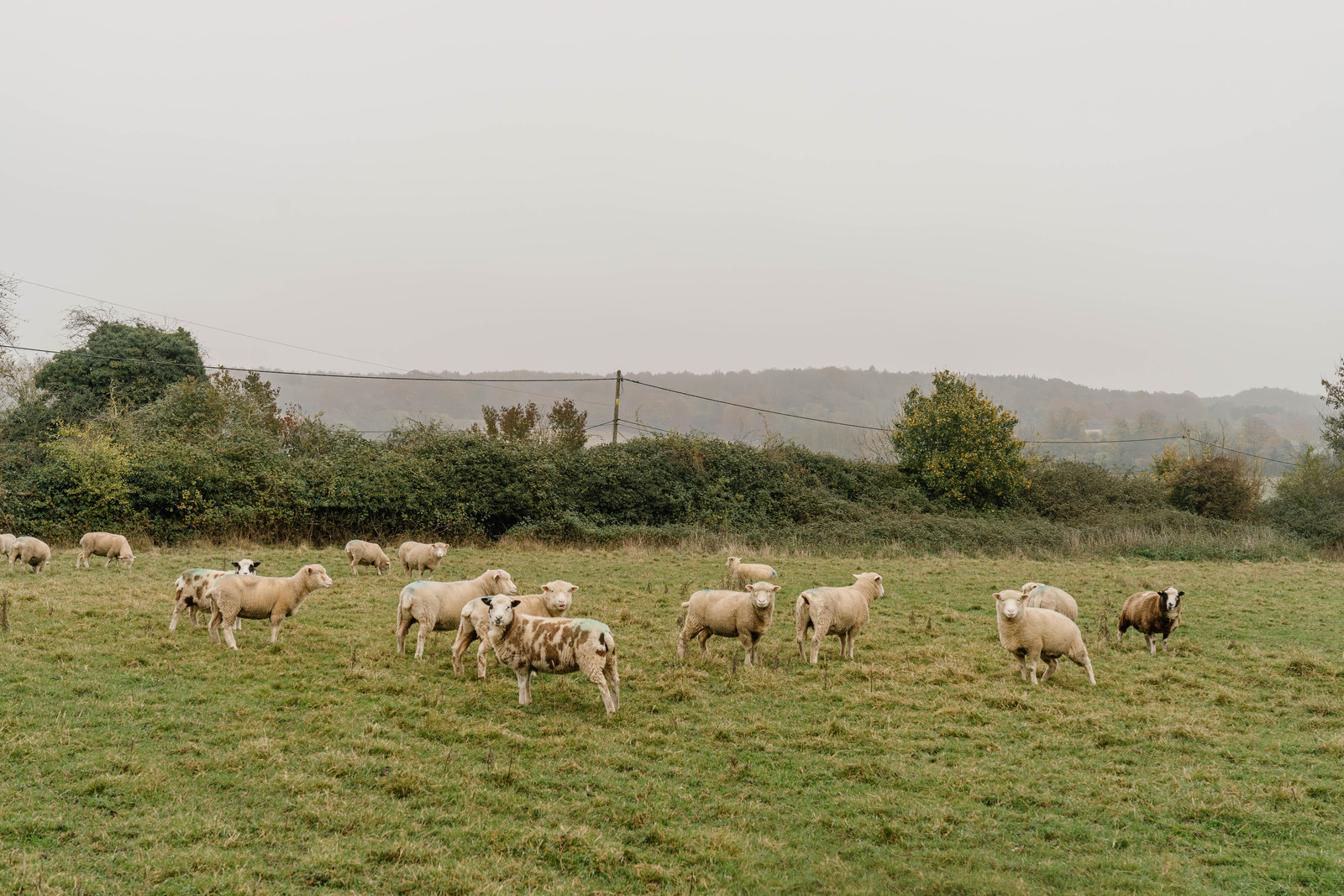
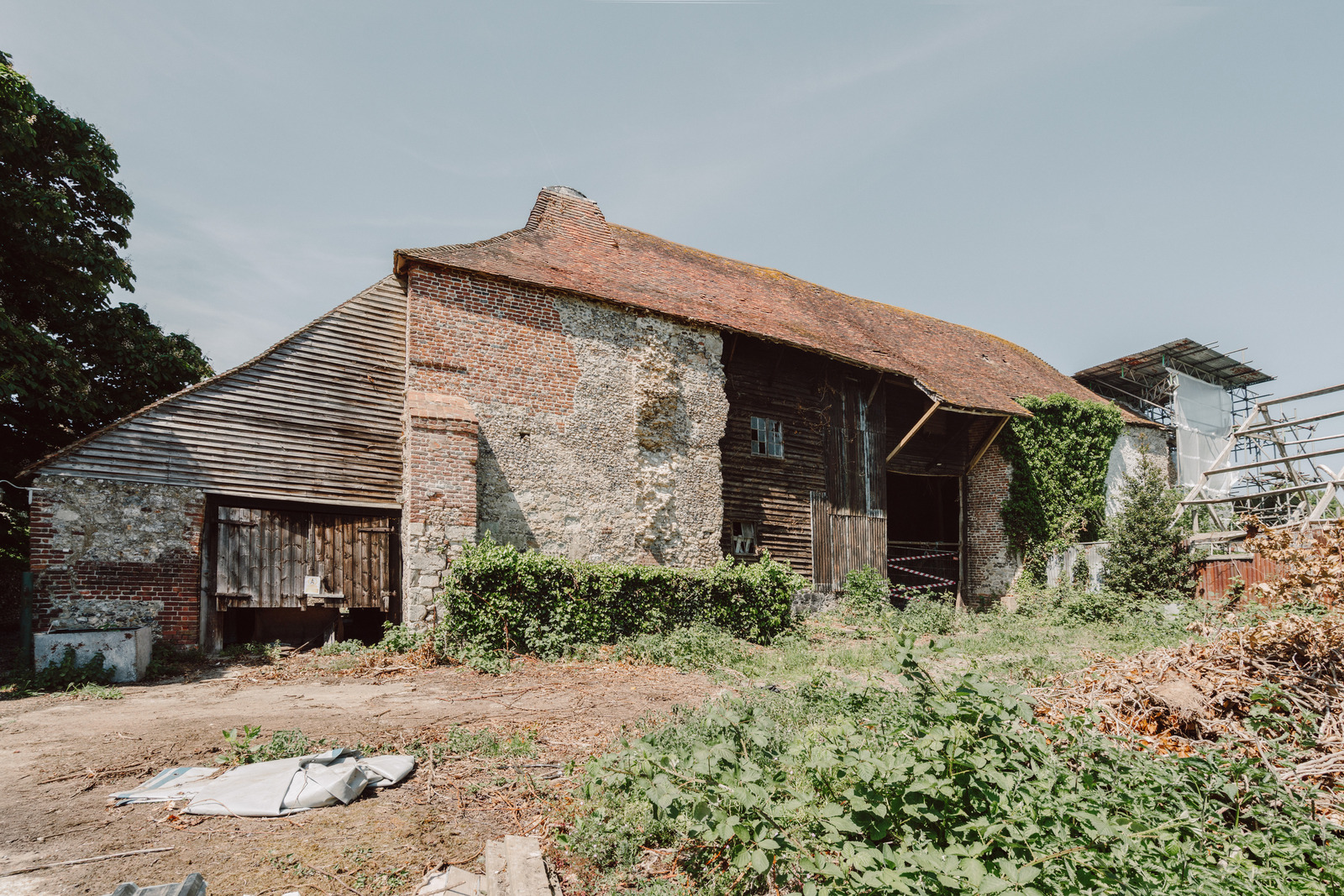
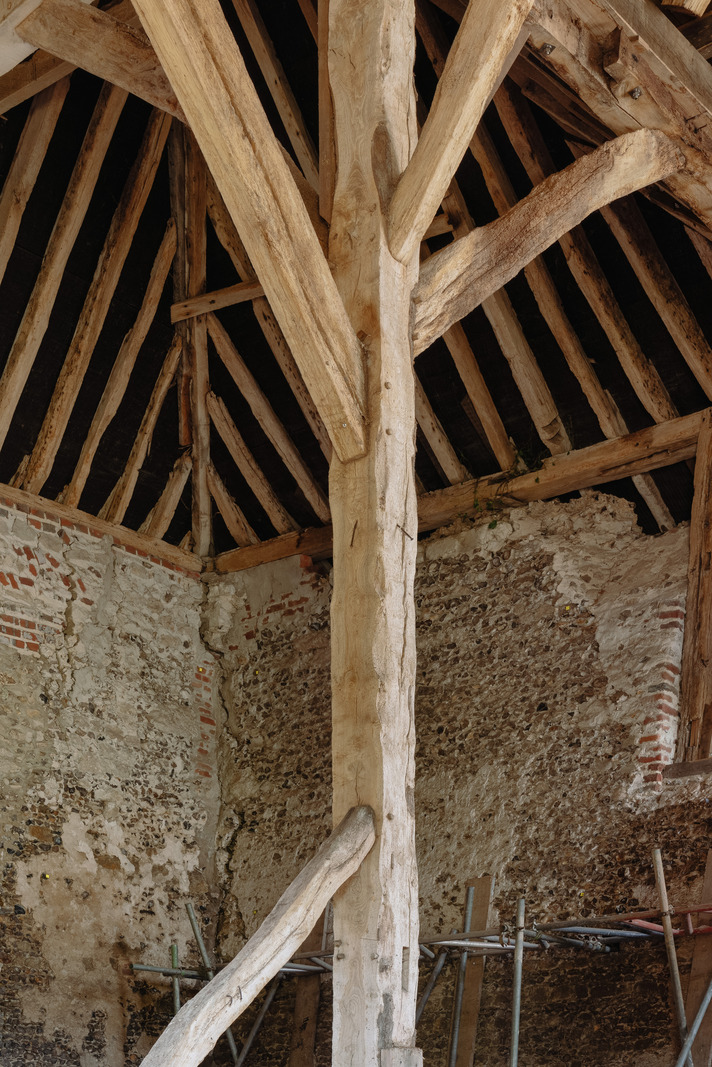
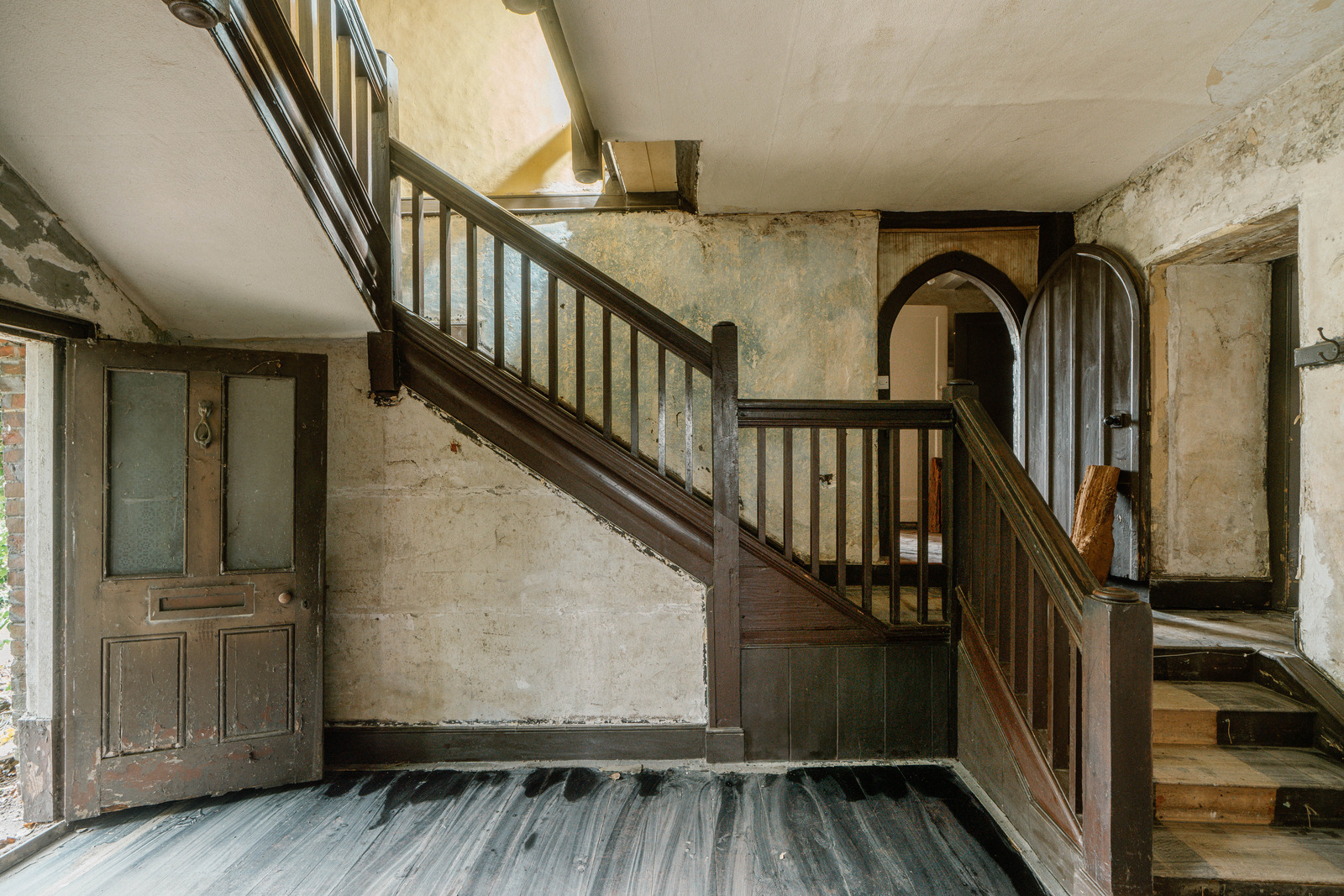
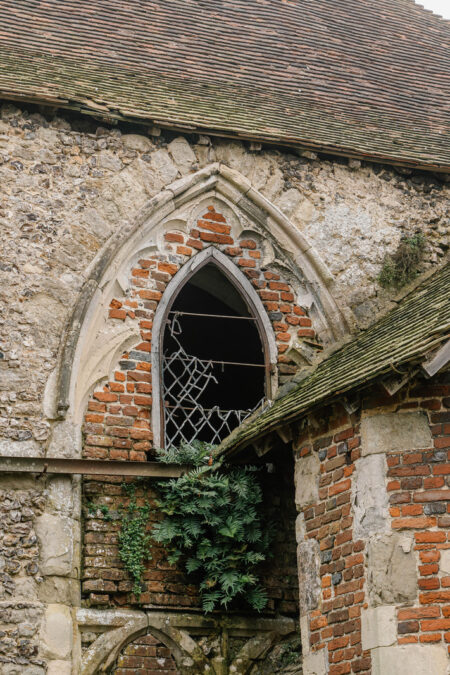
In one way or another, each of these meanings applies to the Archbishop of Canterbury’s Palace at Charing, a remarkable complex of buildings located on a bend on one of Kent’s ancient routeways. Dropping down from the ridge of the North Downs into the flatter land of the Weald, the road from London forks at Charing, heading in one direction towards the Roman harbour at Lympne and the other to the seat of the archbishops at Canterbury.
In terms of its pedigree, the palace’s closest relatives are some of England’s great medieval buildings, such as the King’s Manor in York or the The Archbishops’ Palace in Maidstone. As for its atmosphere, a nearer relation is the romantic ruin of Sissinghurst Castle on the other side of the Weald, the fragmentary remains of an Elizabethan great house acquired by Vita Sackville-West in 1930 and lovingly coaxed back to life.