InigoInigo Logo

A Private View: the sublime 18th-century family home of a maximalist antiquarian

More than 50 years ago, Jeremy Mason fell for an early 18th-century house in Putney: “I made my wife offer on it – the current owner would see that I loved it too much,” he recalls. Over that half century, the infatuation has anything but dimmed. Jeremy invites Inigo to explore his deeply personal, pinewood-panelled home, now for sale, which brims with a remarkable miscellany of possessions from far and wide – including a lifetime’s collection of Oscar Wilde’s early books, letters and manuscripts

Homes / Interiors
Words
Sophie Sims
Photography
Kristy Noble
A Private View: the sublime 18th-century family home of a maximalist antiquarian

“We bought it immediately, because I thought we’d never need to buy another house in London - it would fulfil all the criteria,” Jeremy remembers. And he was right: in 1976 Jeremy and his late wife, Joanna, moved in. A few years later, their children Toby and Becky were born; to meet a new demand for space, an extension – cannily in keeping with the older core of the house – was built at the rear. Despite its astonishing period integrity, it is a home that has “worked very well” for the family, through child-rearing and beyond.

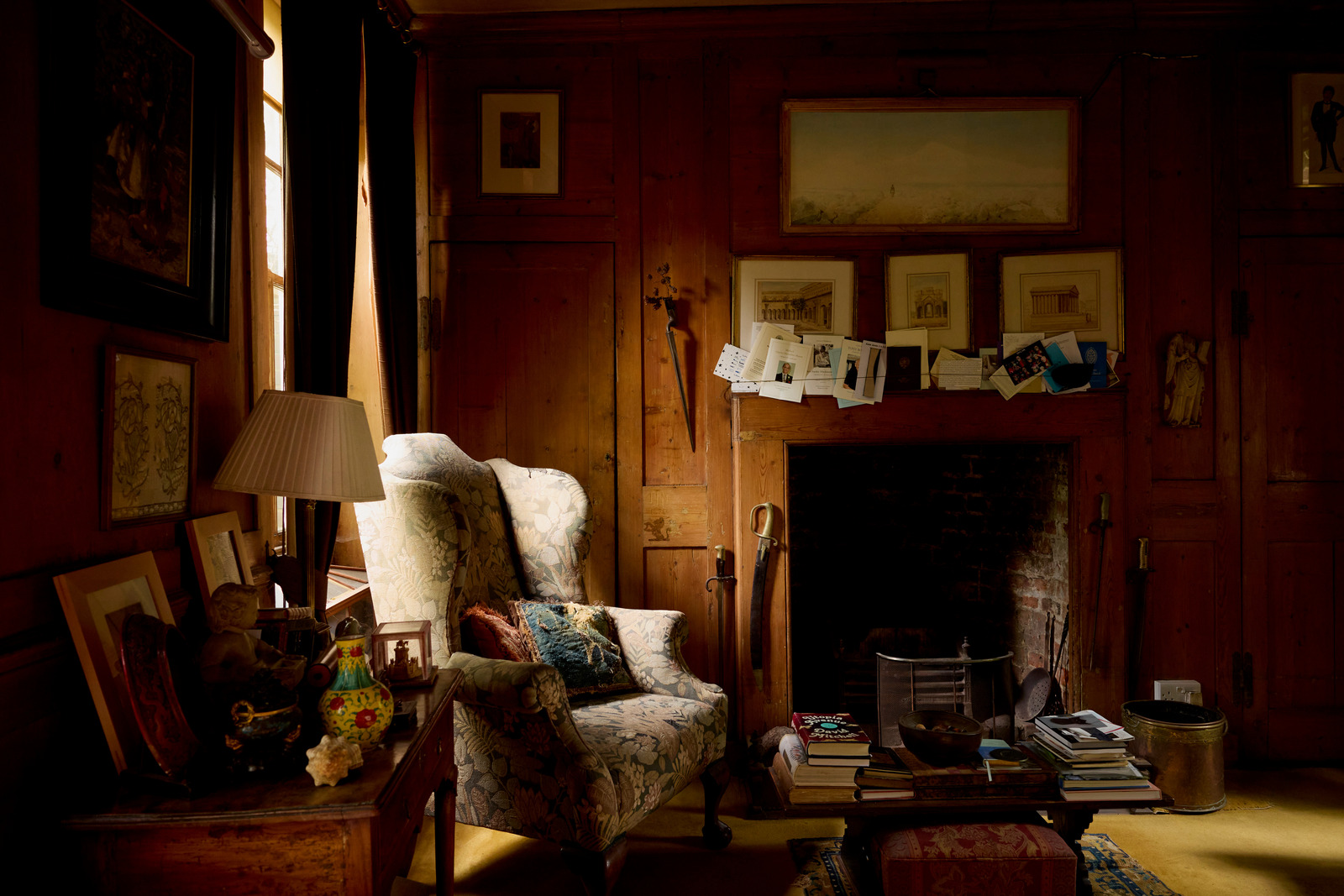
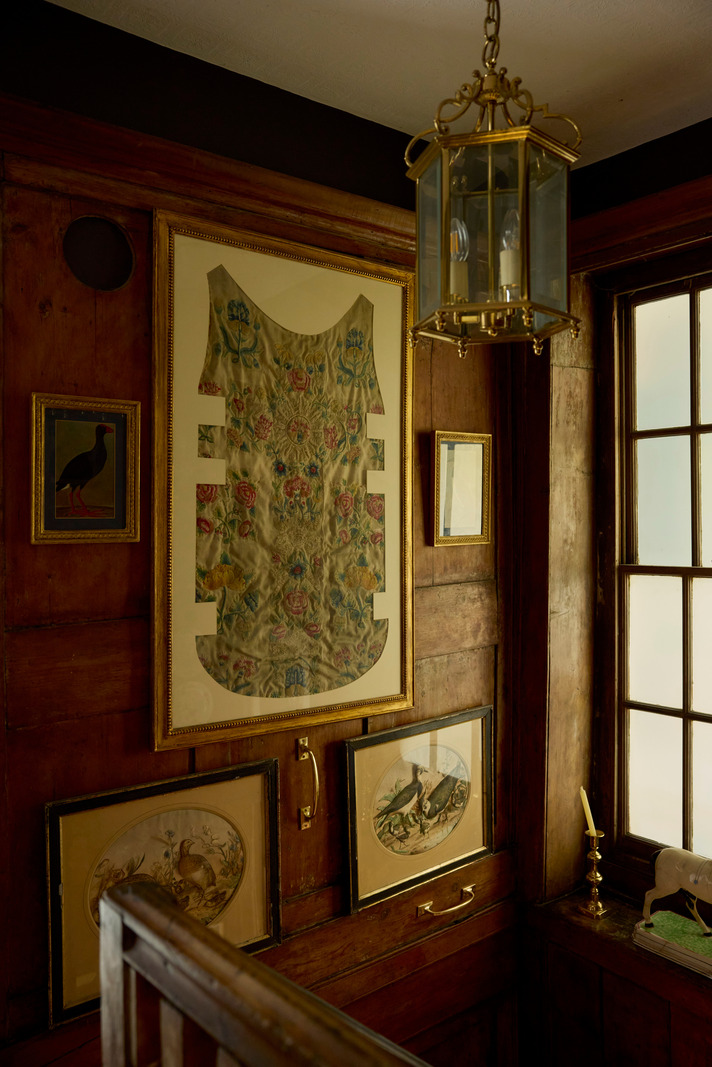
The Masons were the latest in a long lineage of people living at Hoyles House. Its name, in fact, is a nod to a previous inhabitant: “It was an invention of mine – I named it after a family who’d lived here for 100 years,” says Jeremy. Among its earliest inhabitants were Huguenot milliners: “I can’t tell you much about them, except that we had the teasels that hat-makers in the period used to comb out felt,” Jeremy states. Built in 1710, the house is replete with original features – most striking, perhaps, is the paneling that encases several rooms, something that has been, as Jeremy puts it, “lovely to live alongside.”
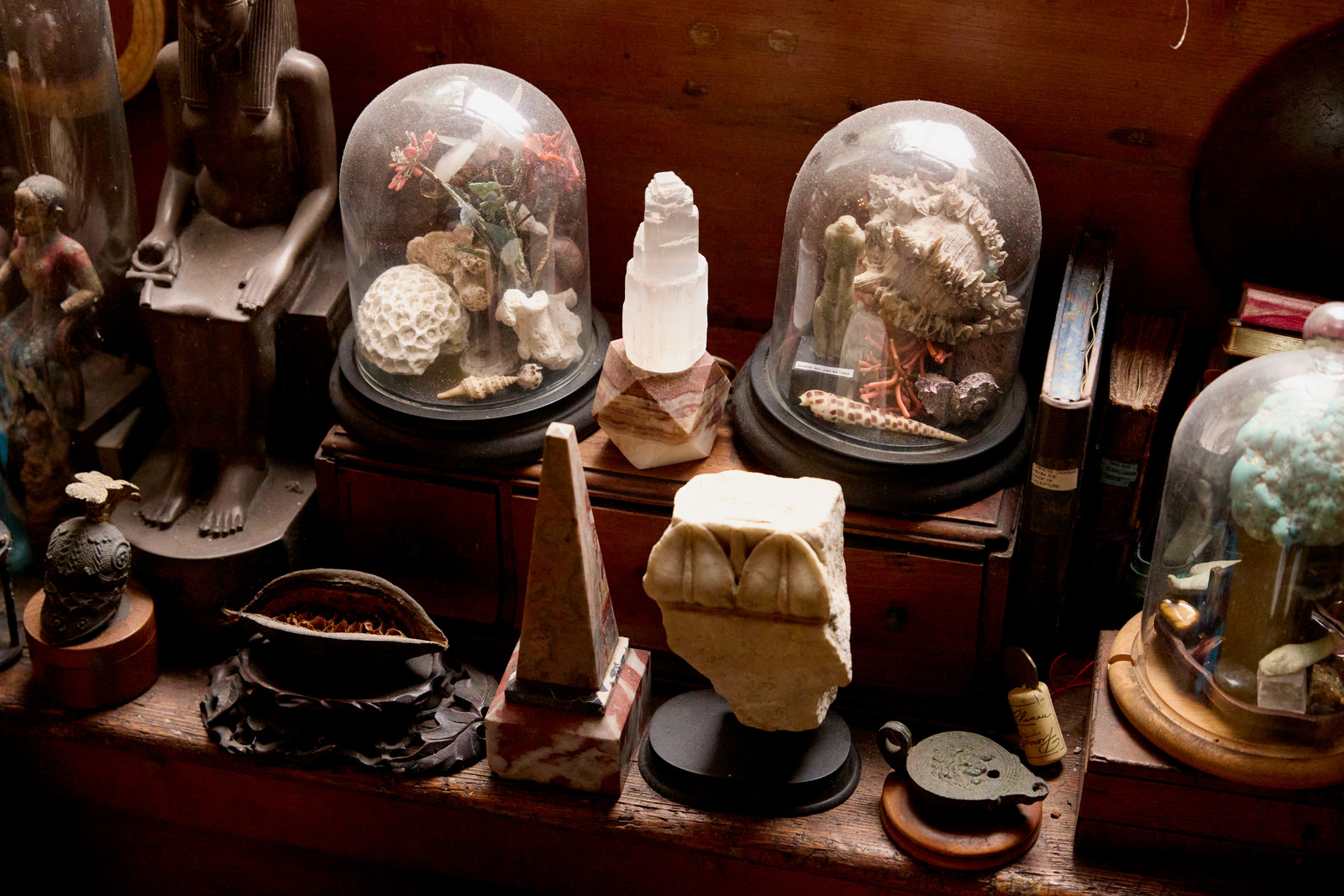
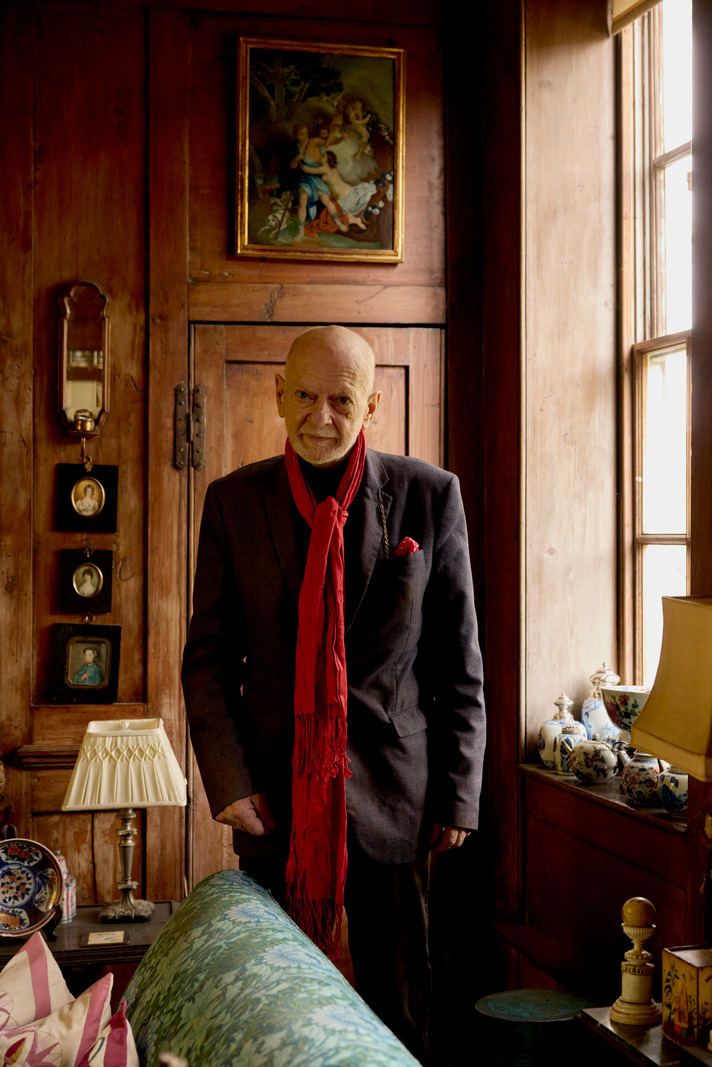
This gets to the crux of how Jeremy has spent his time at the house. When asked how he decides what to keep, he responds succinctly: “It’s a collection of pieces I wanted to live with. That’s the answer.” And what a life it has been: I suggest he is well-travelled, to which he modestly responds that he is “quite well-travelled ... There are lots of places I haven’t been to.” He does, however, tell the story of his time, aged 28, in Beirut. “I held an exhibition in Lebanon once. My wife and I had a party with all the British ambassadors. And we saw the world’s greatest belly dancer there.”

Jeremy’s passion for antiques is deep-rooted. His personal pursuits have largely revolved around Oscar Wilde; his formidable collection was part of an exhibition by Bonhams in 2021. His adoration of Wilde has been a lifelong affair: “"When I was at school, I listened to a play by a chap called ‌Micheál Mac Liammóir called The Importance of Being Oscar, which was all about his life. That fired me up. And then I read a book, The Life of Oscar Wilde by Hesketh Pearson, which was the best biography of Oscar Wilde. That, again, fired me up. The first book I bought was Salome, which is a play that I like very much. When Bonhams created the catalogue for the exhibition, I realised I had around 500 Wilde-related objects – books, manuscripts, letters … things like that.”

It was selling Chinese porcelain, however, that established Jeremy’s name in the antiques world. “The same summer I discovered Wilde, I also discovered Chinese porcelain. I had to do a thesis when I was at school – it was meant to be on political history, but I found it so boring. I ignored the task and went and did one on porcelain instead.” Despite this, Jeremy only has a “couple” of pieces today at Hoyles House: “I never kept things that I dealt in – I was taught not to fairly early on, because you need to sell your best things to your clients … not keep them!”

Later, in the 1980s and 90s, Jeremy and his business partner, Barry Sainsbury, ran a shop together on London’s Ebury Street. “I’d met Barry when I worked at Christie’s. What a fascinating time that was – I’d come in in the morning not knowing who would be there. Once, I walked in to see Terrence Stamp. Terrence said to me, ‘I’m making coffee. Can I make you a coffee?’ Make me a coffee? In my own coffee machine! Barry knew everyone. We even had the odd royal pop their head around the door and say, ‘Is Barry Sainsbury in today?’ We had a lovely time for 20 years.”

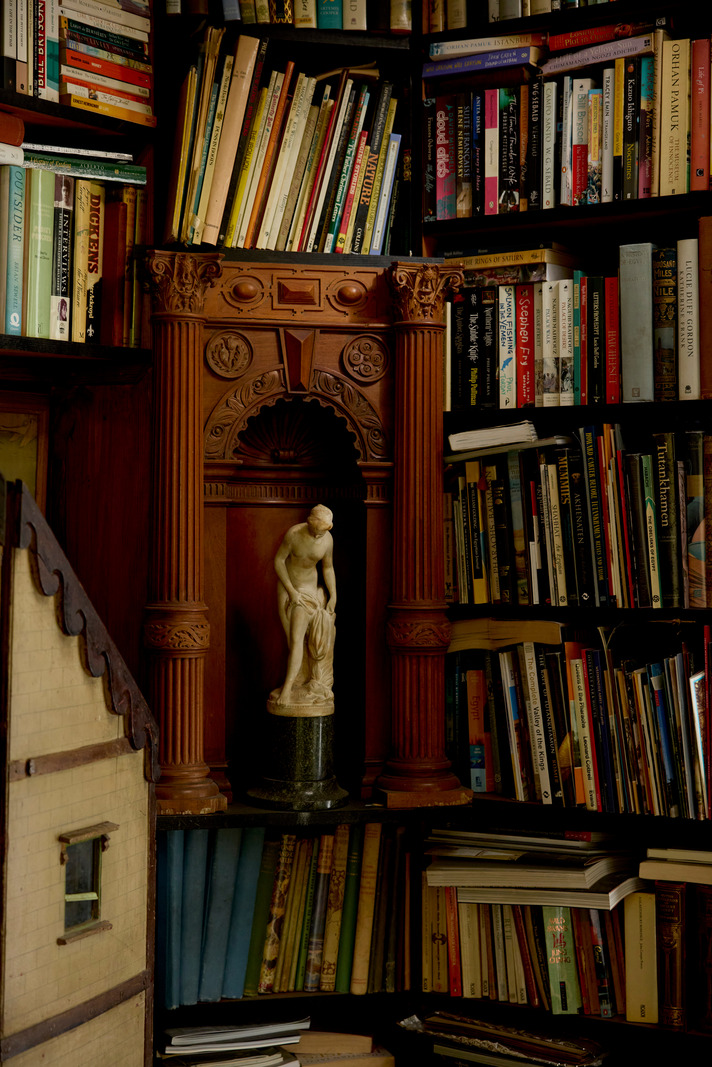
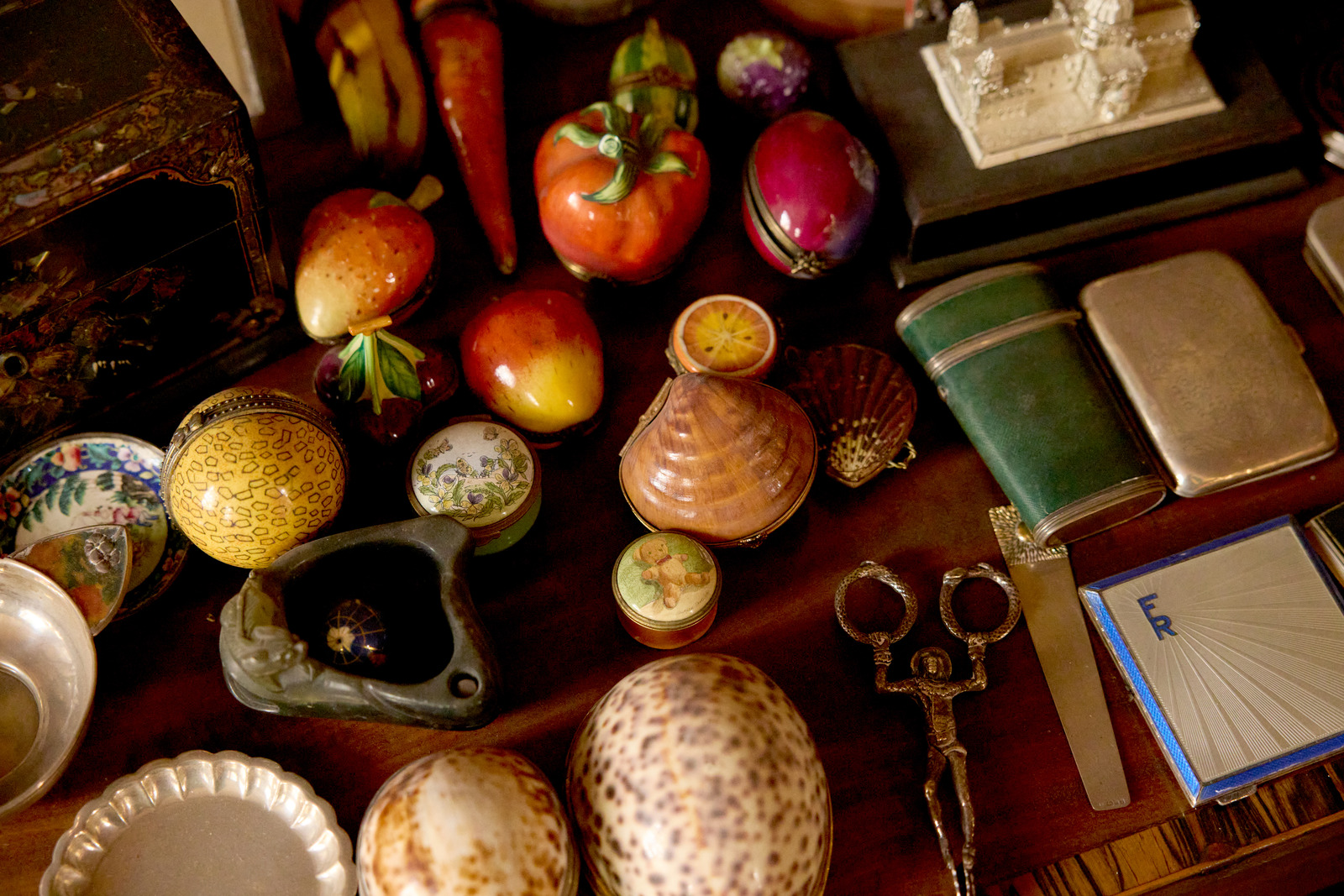
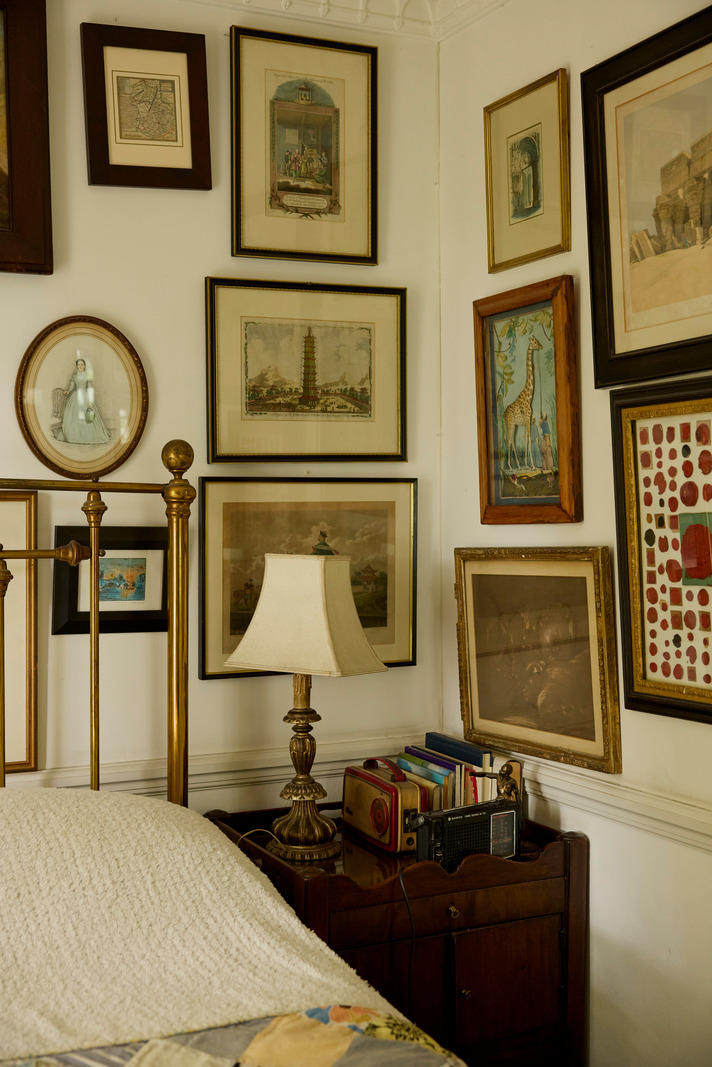
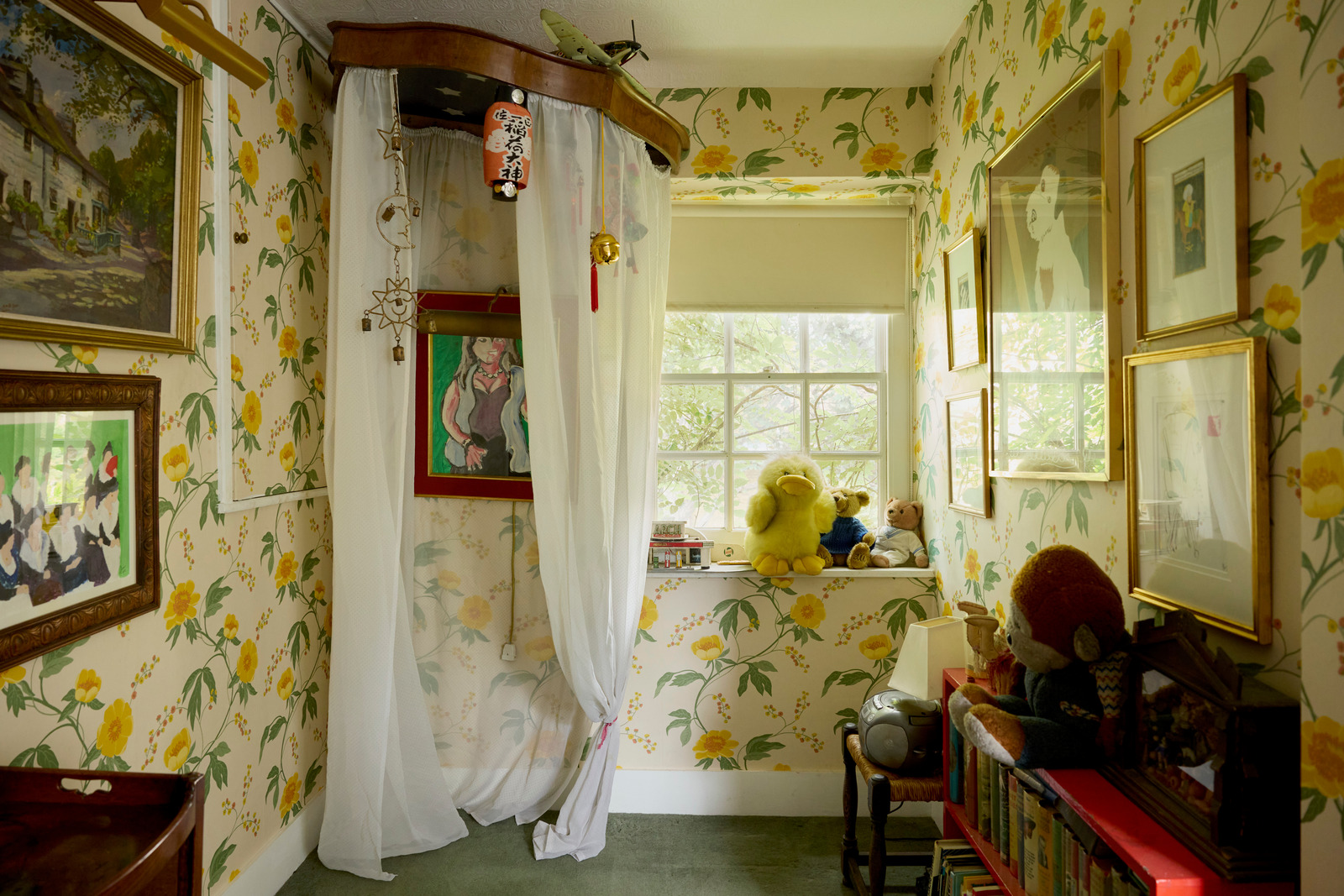
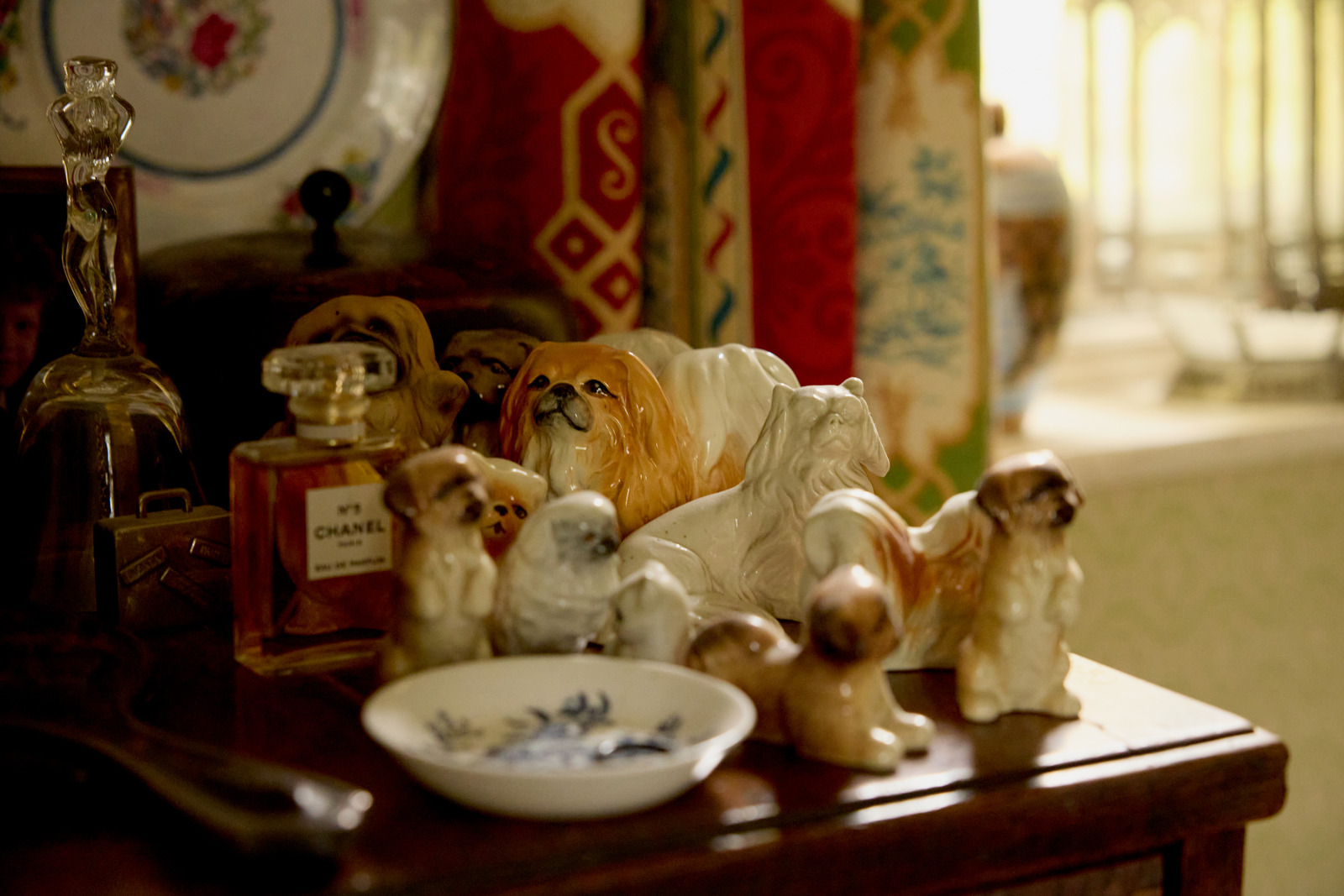
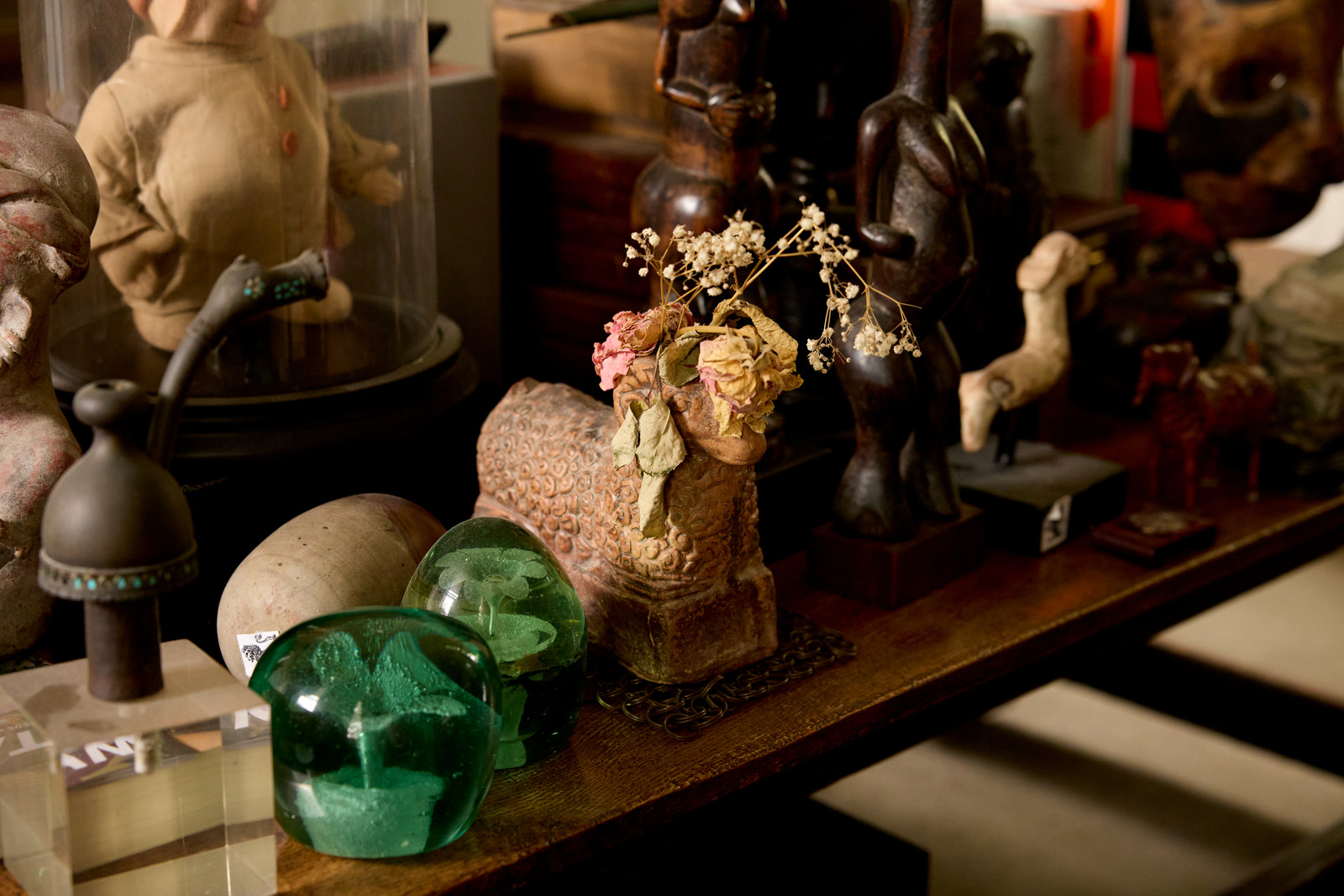
Barry’s influence on Jeremy can be felt in Hoyles House today. When asked about his curatorial methods, Jeremy says that it’s largely based on “how [he] feels,” but that he “learned from Barry how to keep old and new things on the same wall”. The house is a mellifluous medley of things, a maximalist-antiquarian’s dream, from Japanese masks to a giant dollhouse, ornate wooden birdcages, Chinese porcelain and rows of Marutomoware honey pots. (“I bought one thing once just because it was peculiar – an early blowpipe, about three or four feet long. I kept it because I thought it was fascinating. Yes, I’ve still got it.”)

Jeremy’s love for the house has been unfaltering and honourably equitable. “I don’t have a favourite room, because they all have a use. The library was filled with books, and the sitting room has seen plenty of guests and dinner parties.” He has even come to love the great outdoors: “I’m not a keen gardener. I really wanted to be too, but I found it rather difficult because you do a garden beautifully, and then six months later, it has to be done again. I preferred books - they didn’t change on my shelves. I was more interested in it being green - I wanted it to look like an old cemetery - like Brompton, or Highgate” he states. Shrouded in mature evergreen foliage, it seems the private and peaceful garden has bedded in quite as he had hoped.

What will Jeremy miss most about Hoyles House? “Everything,” he tells me. It is a house that, while retaining its period distinction, has been moulded to the shifting needs of the family over the past half-century. The love-at-first-sight effect it had on Jeremy has not, in the slightest, diminished: “My relationship with the house hasn’t changed, except that I’ve grown to love it more and more each day.”


Hoyles House, London SW18

view listing
A Private View: the sublime 18th-century family home of a maximalist antiquarian