InigoInigo Logo

A Private View: an elemental Welsh longhouse with an unbroken view of Bardsey Island

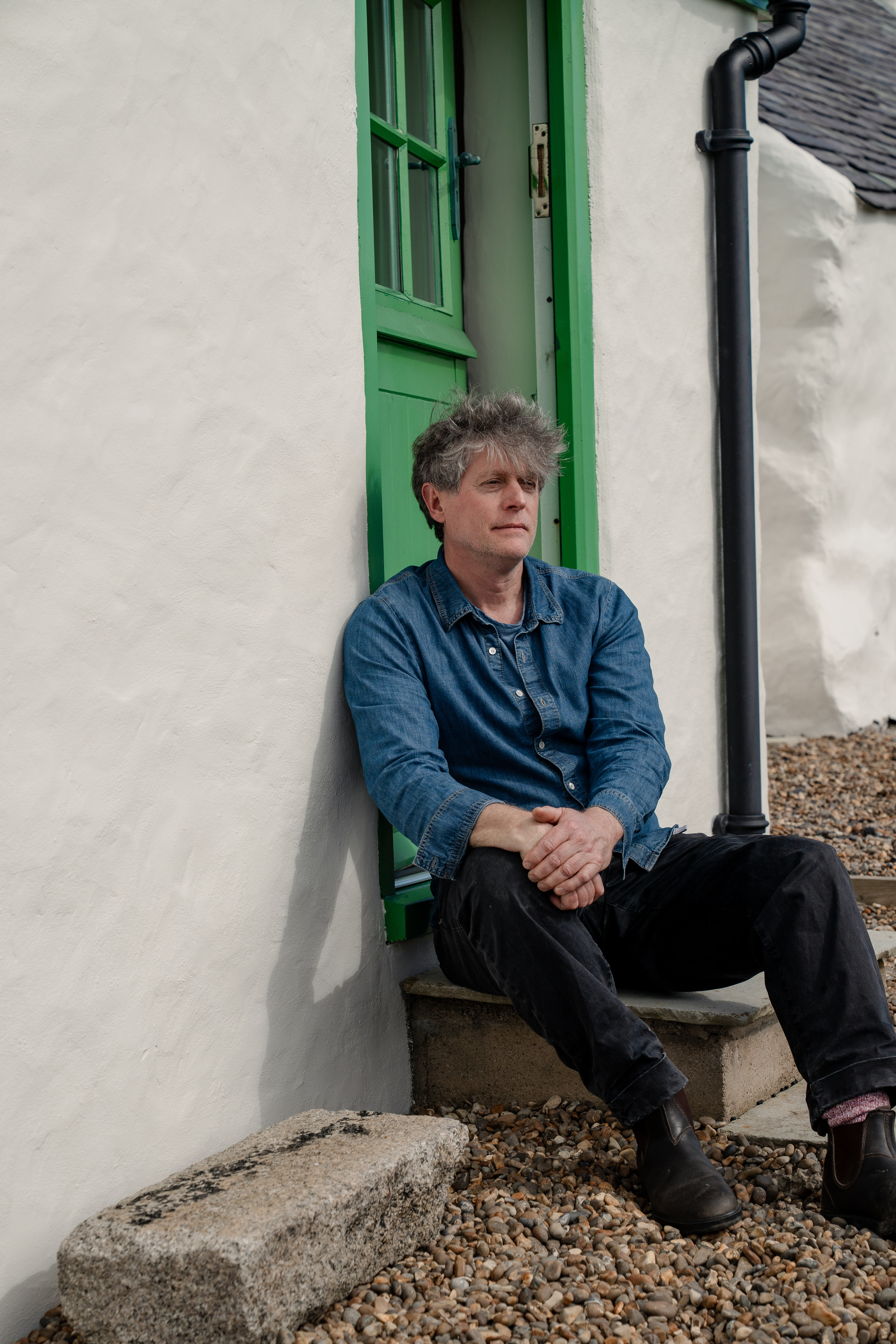
The poet Sean Swallow has been drawn to the Llŷn peninsula since he was a child. It is, he explains, a well-known “thin place,” a Celtic term that refers to those sites where the veil between this world and another begins to melt away. It’s also a land stitched together by stories. Here, Sean tells the tale of his time at Bryn Canaid – a sustaining and steadfast Welsh longhouse, now for sale ...

Homes / Interiors
words
Grace McCloud
photography
Katarena Joy
A Private View: an elemental Welsh longhouse with an unbroken view of Bardsey Island

Land’s End, Finistere, Finisterra… There is something about these edge-places, named at a time when people thought they were standing on the very brink of the world, that has always called to those living at an angle to the ordinary – poets, mystics and pilgrims who sense that where the land runs out, something else begins …

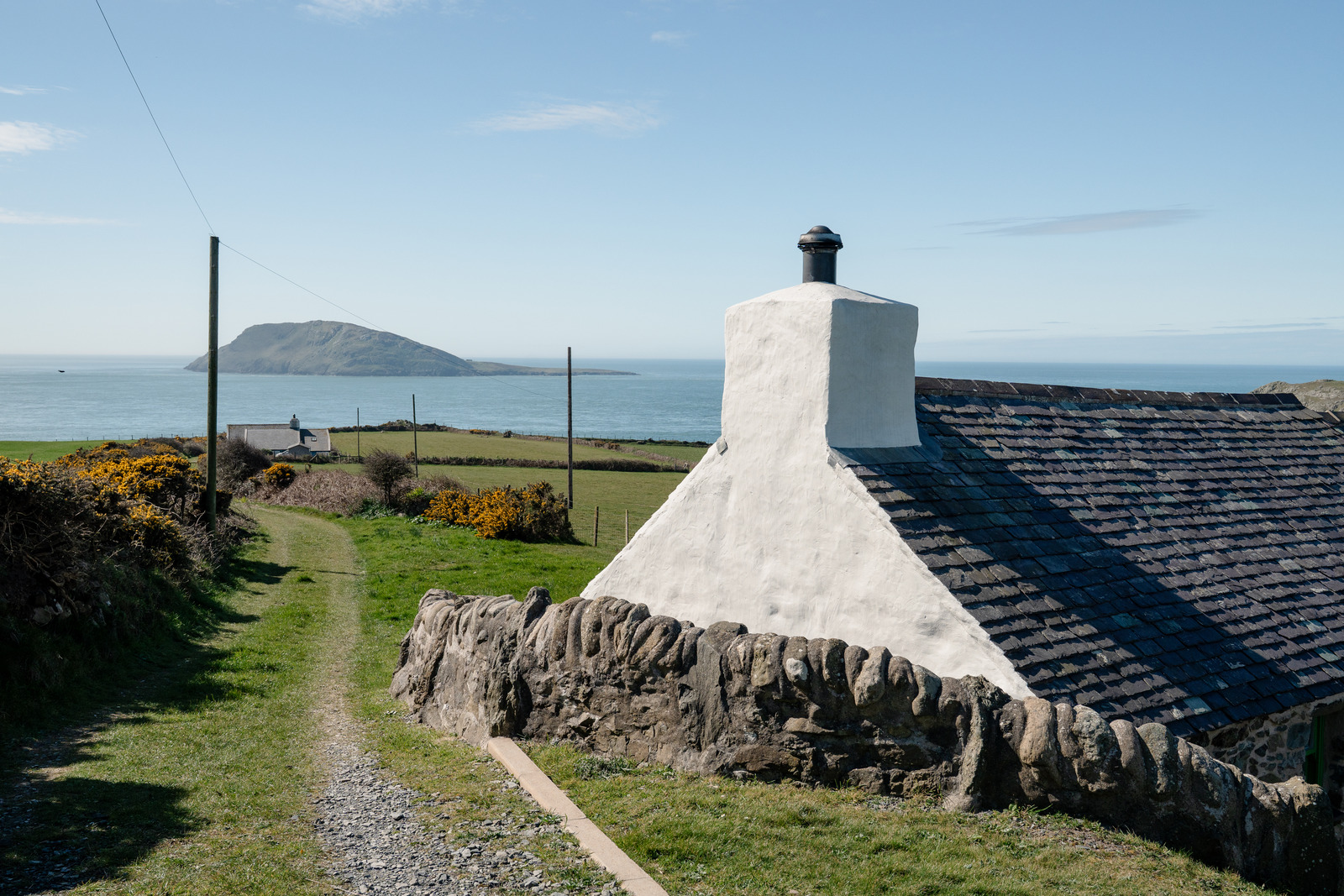
Sean Swallow is one such poet. His longhouse – Bryn Canaid, now on the market – is on the most south-westerly tip of the Llŷn peninsula in Gwynedd, north Wales, in a tiny hamlet named Uwchmynydd. This wild, cliff-cleft fingertip, Sean tells me, is a well-known “thin place,” a Celtic term that refers to those sites where the veil between this world and another begins to melt away. On a clear day, from here you can see Bardsey Island (or Ynys Enlli). An important pilgrimage site since the sixth century – it was said that three pilgrimages to sea-swept Bardsey were as good as one to Rome – it is known as ‘the island of 20,000 saints,’ for those rumoured to be buried there.

Sean, a garden designer by trade as well as a poet, moved here in part for this air of spirituality. “I am not religious,” he says, “but you cannot escape the atmosphere of places like this; I have heard people describe them as ‘blue-sky cathedrals’. You get fed by them.” Sean is not alone in this sentiment. The late priest-poet RS Thomas had his last ministry a few miles away; Verena Schiller, a celebrated Anglican hermit, was until recently a neighbour, as was the late Rev. Jim Cotter, first general secretary of the Lesbian and Gay Christian Movement and a friend of Sean’s, whose own work explores nature, often through a gay lens.
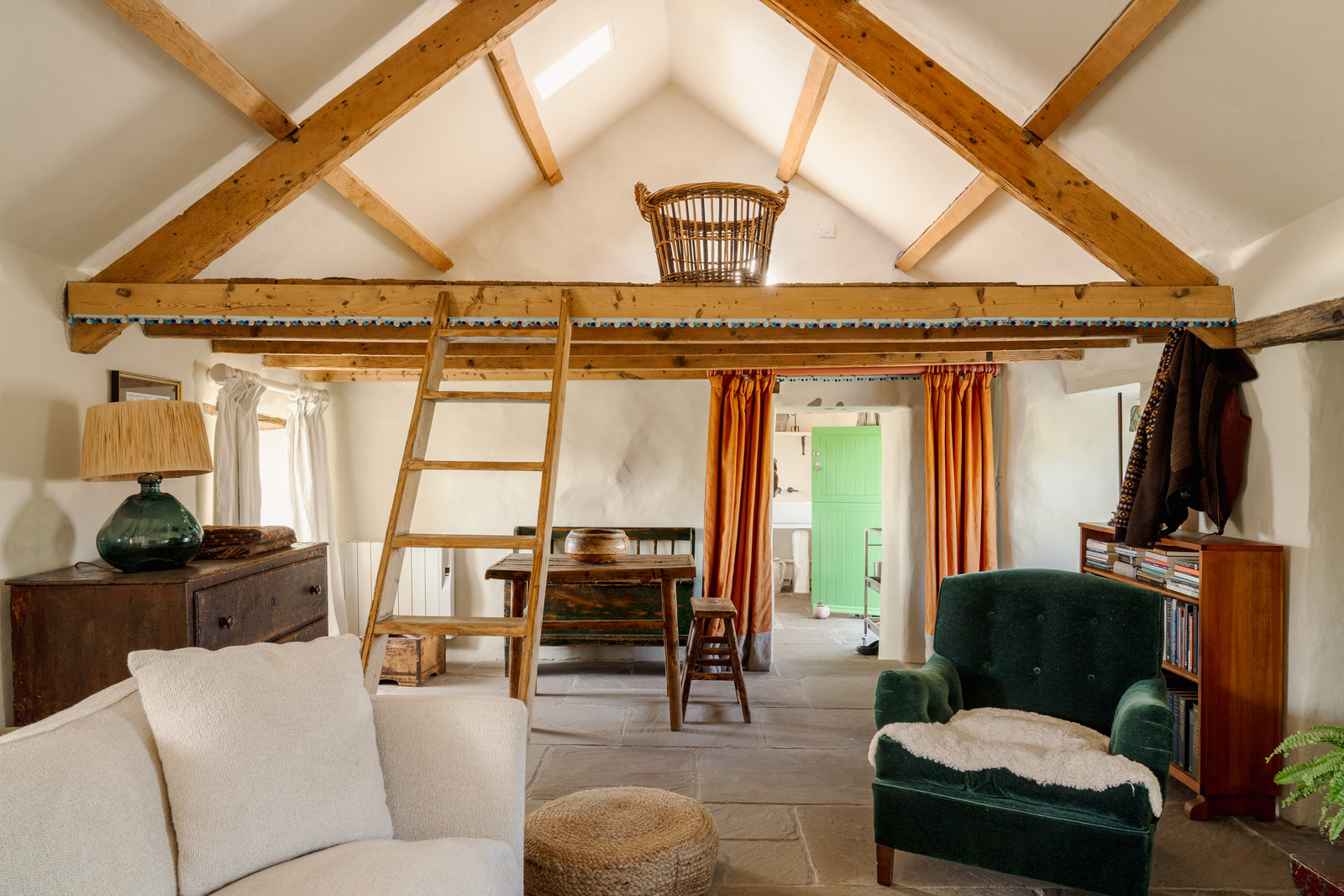
There is a long history of storytelling in this part of the world – today upheld by the likes of Felin Uchaf, a local community arts enterprise – something Sean believes has survived because of the “distinct lack of motorways”. But he also thinks the weather plays a part. “A friend of mine describes the wind here as ‘scouring.’ It has the power to expose your inner emotional state, forcing you to hunker down.” And, presumably, tell stories until the storms pass. With Sean’s own story soon to gain a new chapter, he explains the magic of this mystical place.

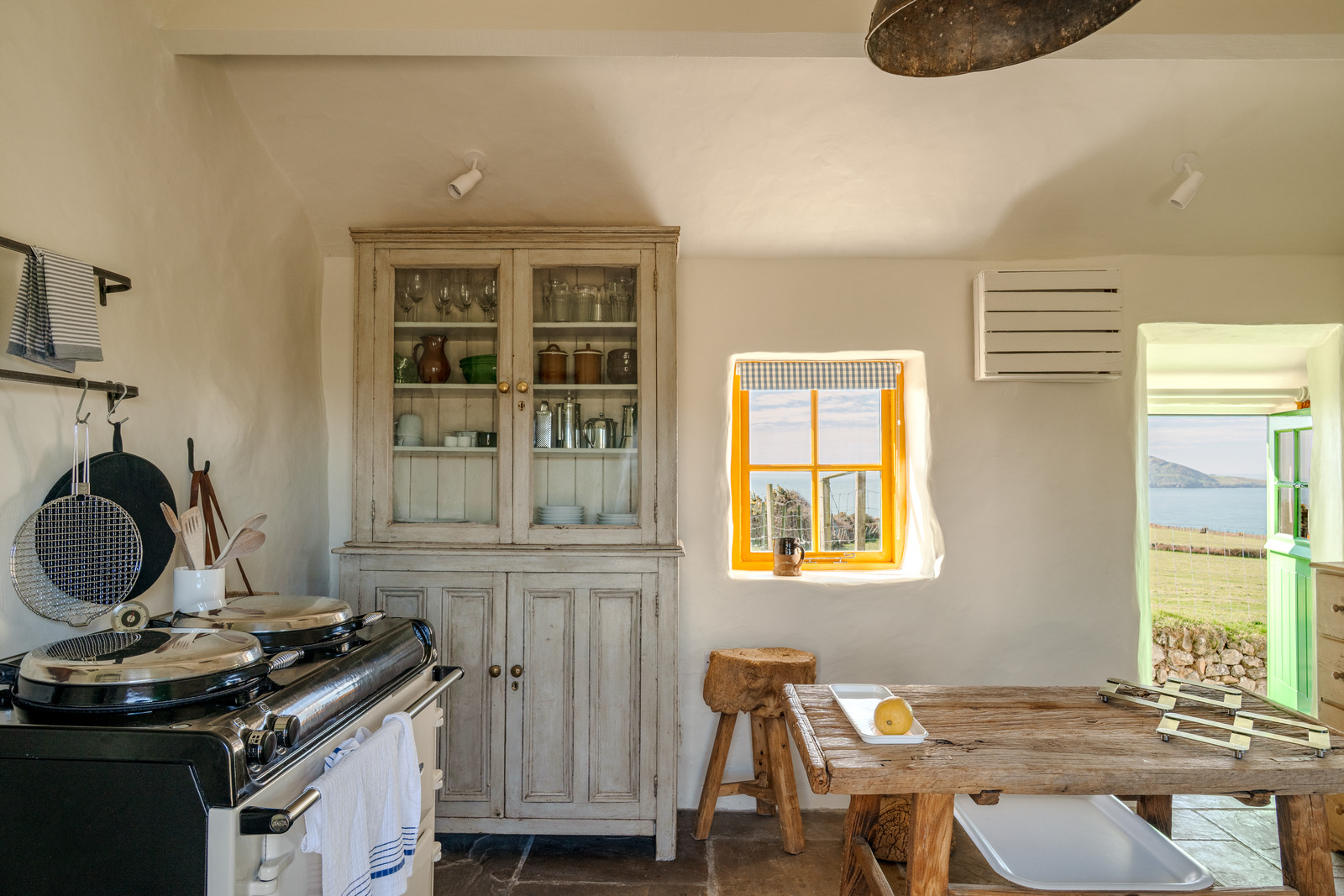
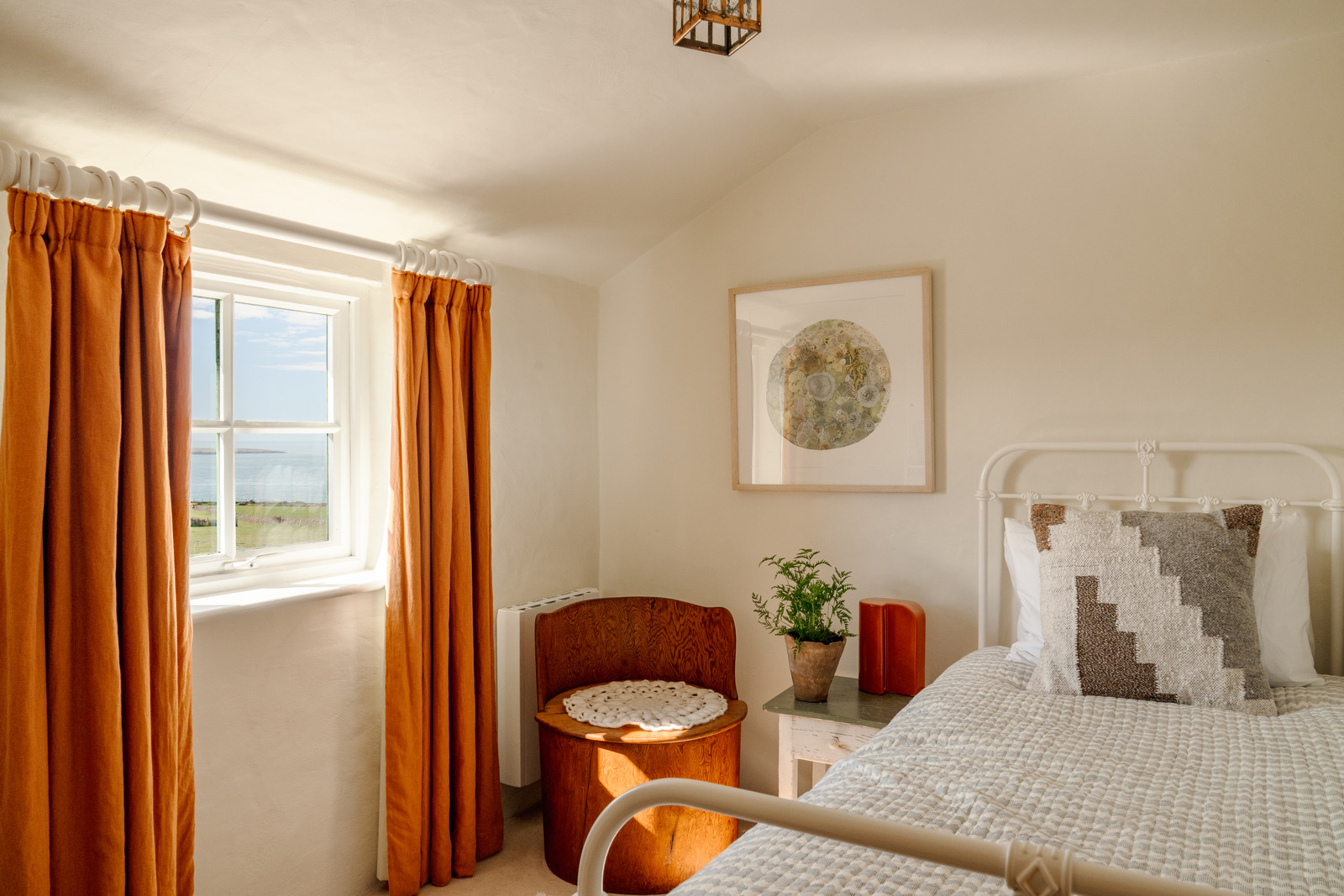
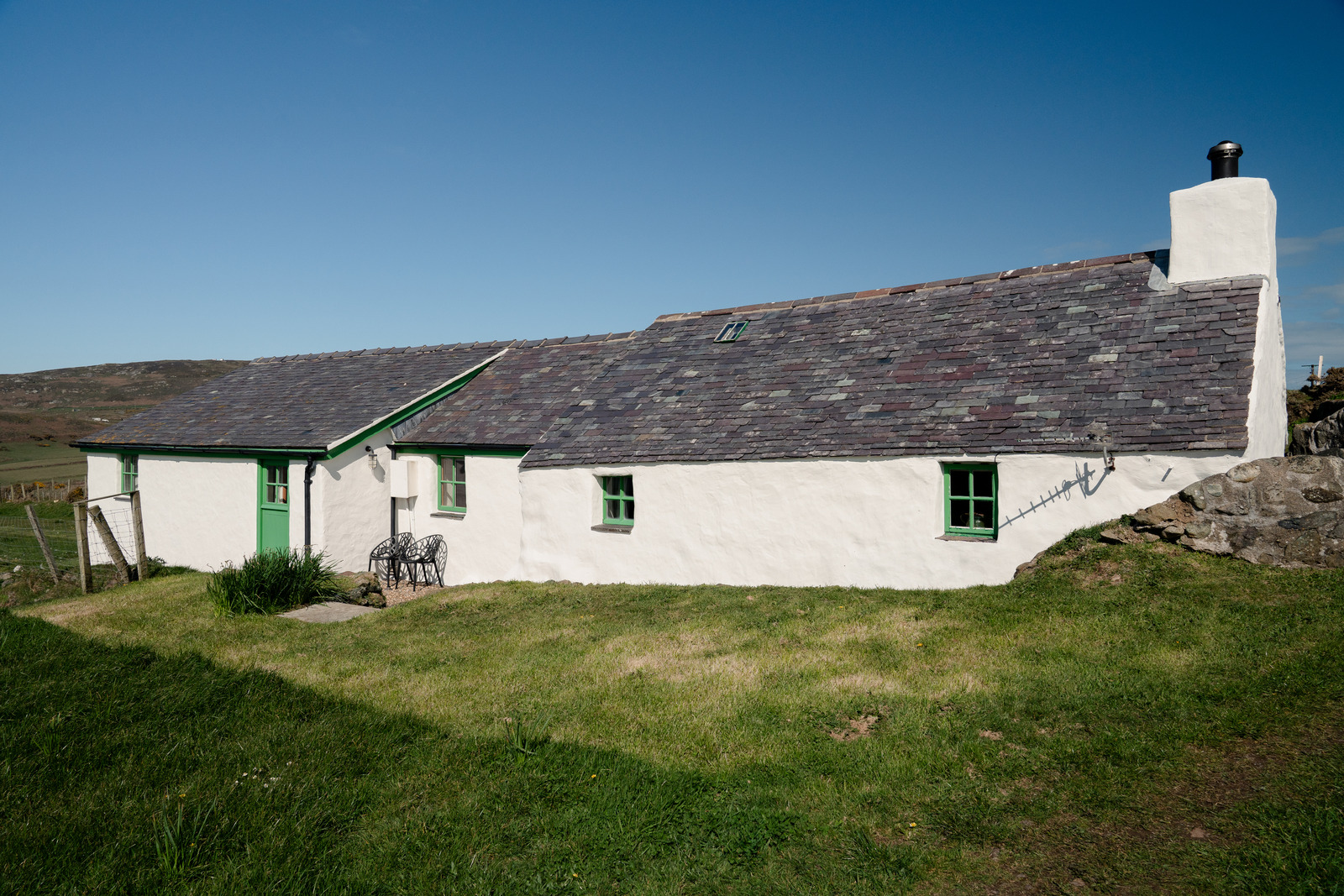
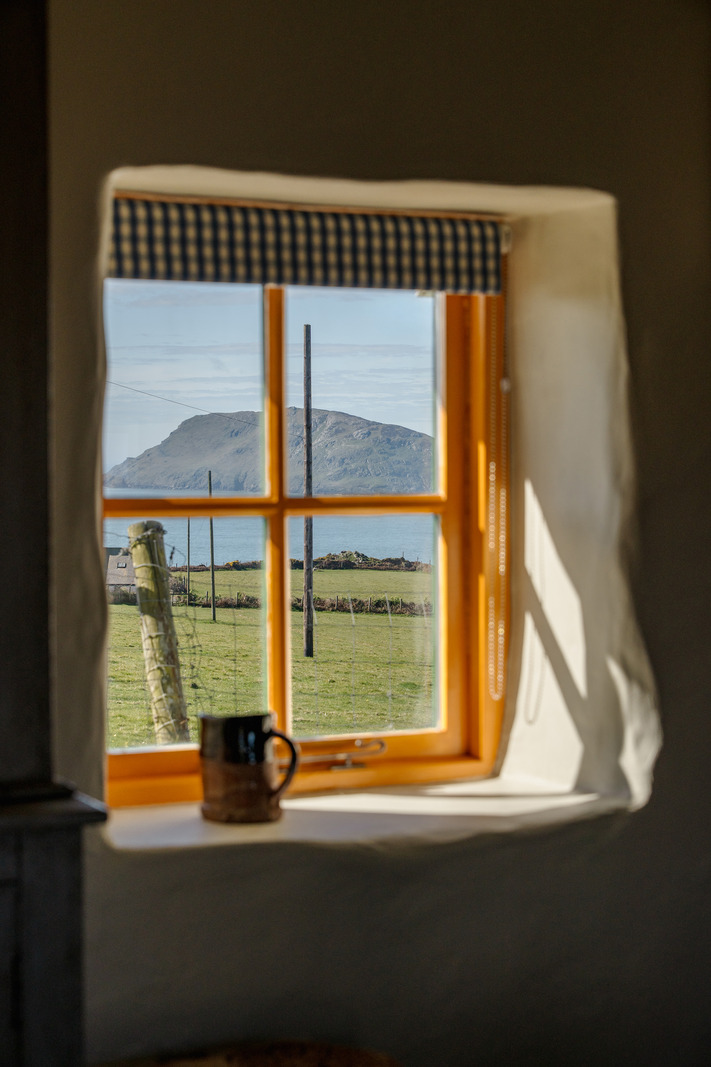
Sean Swallow: “I have known this peninsula all my life. Though I grew up in Cheshire, we used to come on holiday here when I was a child. I even remember this house, which is probably an old crofter or fisherman’s cottage. Nobody really knows what the name means, though ‘Bryn’ is ‘hill’, and ‘Canaid’ could be a variation on ‘song’. One theory is that it was used as a lookout post; if anyone on Bardsey was in trouble, they would light a fire and, because this house has the best view of the island, those at Bryn Canaid could blow a conch or make some kind of noise to raise the alarm on the mainland.

“We holidayed on the northern side of the Llŷn when I was little, but as I got older, I found myself drawn to this south-western edge, which is a little strange because I didn’t really know anything about it. Perhaps I was attracted to the rich storytelling heritage here, which – alongside sheep farming – is a defining feature of this part of Wales. Both of those things are intrinsically linked to the landscape – the former, I think, because it’s so remote. The Celtic language, its dialect and its oral traditions have remained, relatively untouched. Welsh lends itself to poetry.

“I write a lot about nature in my poetry – in part because the connection to it here is so effortless. But I’m now making a concerted effort to write about people too; I want to respond not just to a landscape but to its culture – two things I feel are connected, which is something this place has taught me. I’ve written about Jim Cotter and RS Thomas; I’ve also written a poem about St David, in which the speaker (possibly me, possibly not…) has a liaison with the patron saint of Wales. David was, let’s face it, a dish: he ploughed by hand, he had those dark eyes, he must have been incredibly strong… I like to think that for all the spirituality in my work, there’s a playfulness too, as well as a gay sensibility.

“Though I love a few sheep, I’m more interested in the wildflowers and birds that also call the Llŷn home. When the green lanes and cliff pathways are strung with wildflowers, it’s wonderful. I also love the choughs, those very rare corvids with red legs. Seeing them is just a massive treat. When I bought the house, I thought I would spend hours walking, but after a while I realised I’m in the destination. Now, I go on what I call ‘blanket walks.’ I’ll take a rug and walk about 500m with a friend, sit on the grass and watch the choughs. I can’t imagine wanting to be anywhere else in those moments. The privilege of living here has been mindblowing.

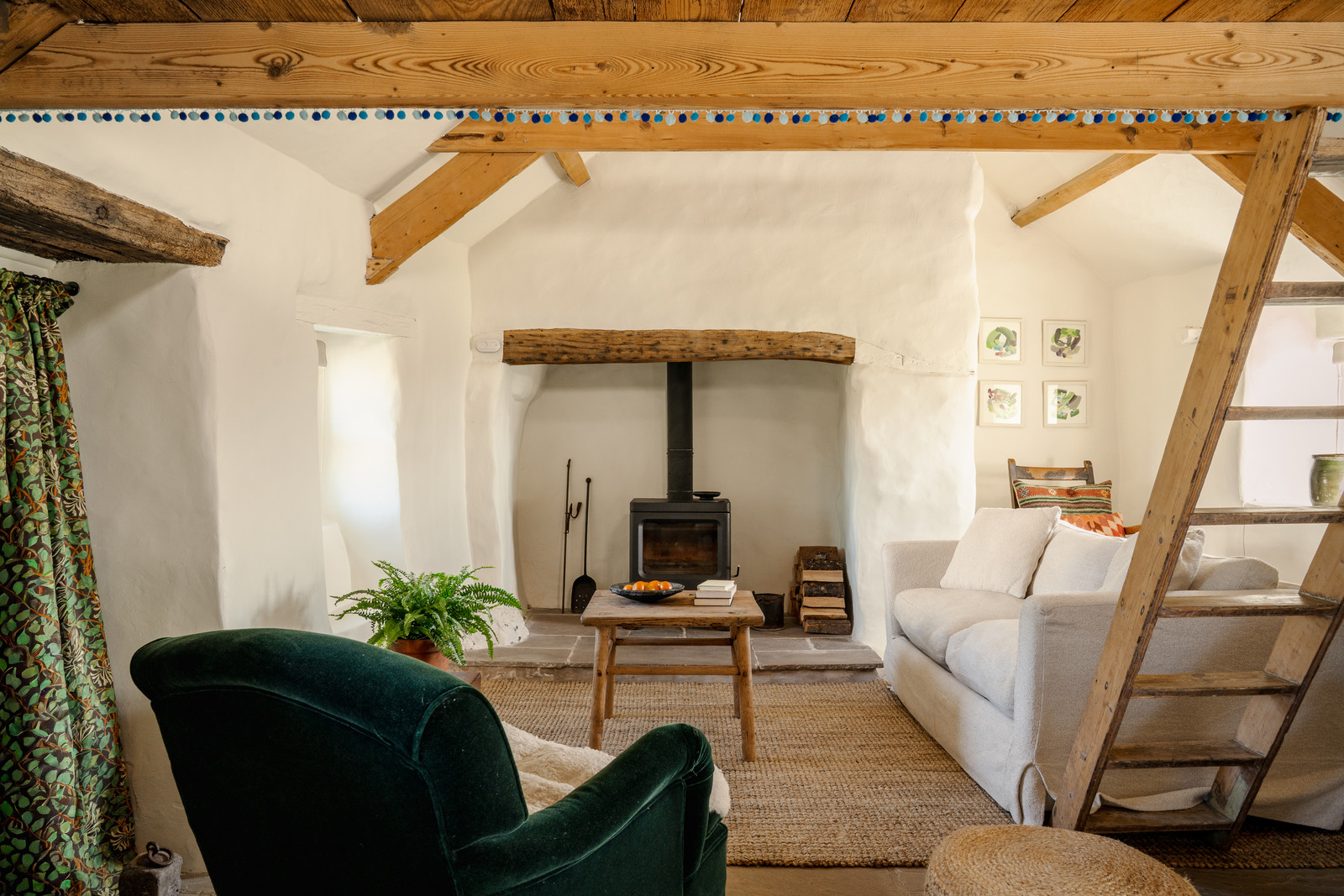
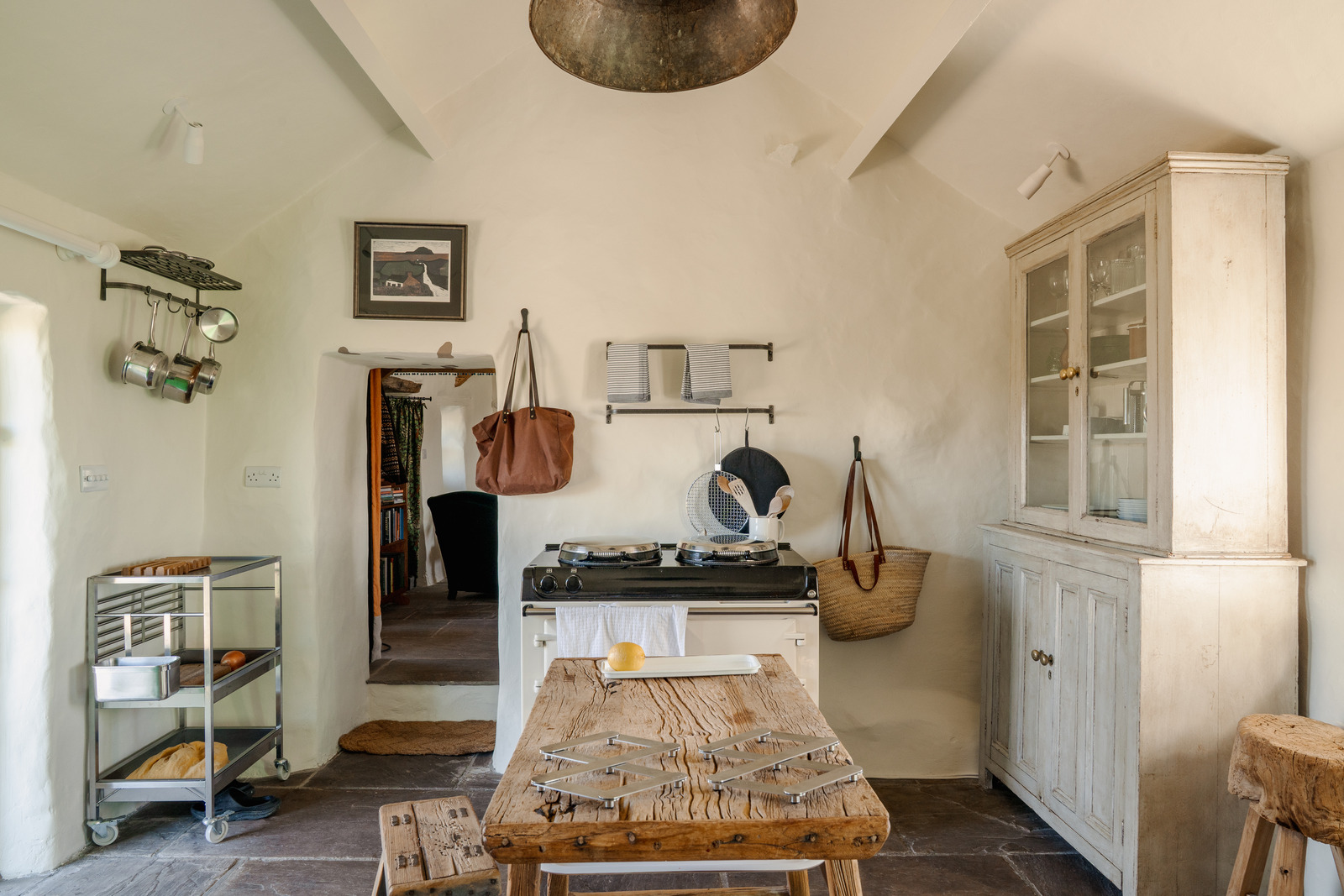
“I nearly bought this house 15 years ago, but the timing wasn’t right. In the end, someone else bought it and did a fantastic job doing it up, which meant that all I’ve had to do since buying it is style it to death and maintain it, things I have taken huge pleasure in. Funnily enough, though I love gardens, I haven’t made much of one here. I haven’t planted a single plant! In part that’s because I’ve been focusing on being a poet, but it’s also because the garden here sits within an ancient grid-like field system and I felt it was my duty not to intervene in that arrangement. You could very well plant a garden here – Verena, the hermit, grew veg very successfully in hers, protecting them from the wind.

“Though this house is wonderfully sheltered, the wind on the Llŷn is dramatic – it makes you feel properly cleansed. You feel in touch with the elements here, in a way that makes me understand that Celtic idea of a ‘thin place.’ I don’t believe in God, but if I did, I know I would feel that I could touch him here.

“Leaving this place will be hard but I am ready to become an old Welsh lady – set up in a village, learn Welsh, pop to the post office… I feel enormously lucky to have lived here, surrounded by people who, like me, are seeking some sort of connection with the world around them. Historically, poets, priests and farmers would have been neighbours. That’s less common now – but not here. Here, nobody bats an eyelid, but instead enriches themselves with others’ stories. That said, I might be pushing it with the queering of saints… But we all need a bit of fun.”

Further reading

Sean Swallow website

Bryn Canaid, Uwchmynydd, Gwynedd

view listing
A Private View: an elemental Welsh longhouse with an unbroken view of Bardsey Island