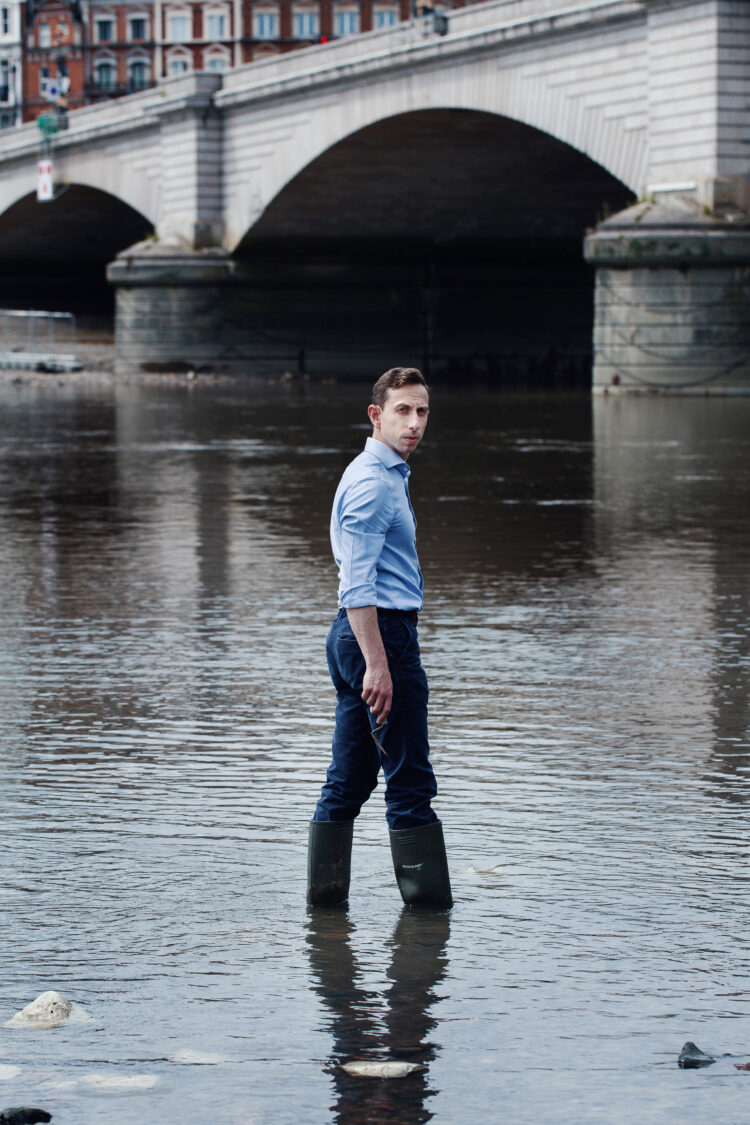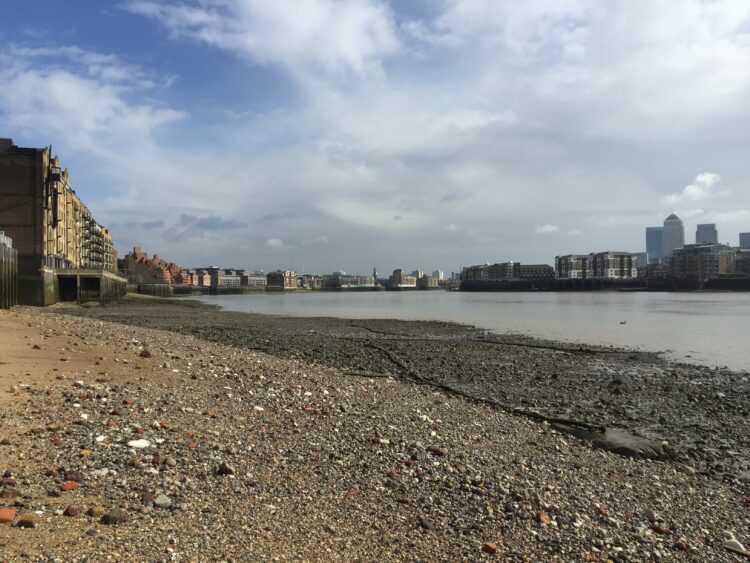



Walking across a bridge in central London can reveal two different rivers. Sometimes, the Thames is heavingly full, with energetic wavelets flashing in rare sunlight. Other times, it has receded, peeled away from the embankment walls that stop the city from flooding. It’s at its lowest every 12 hours or thereabouts, exposing long beaches of gravel, sand or mud.
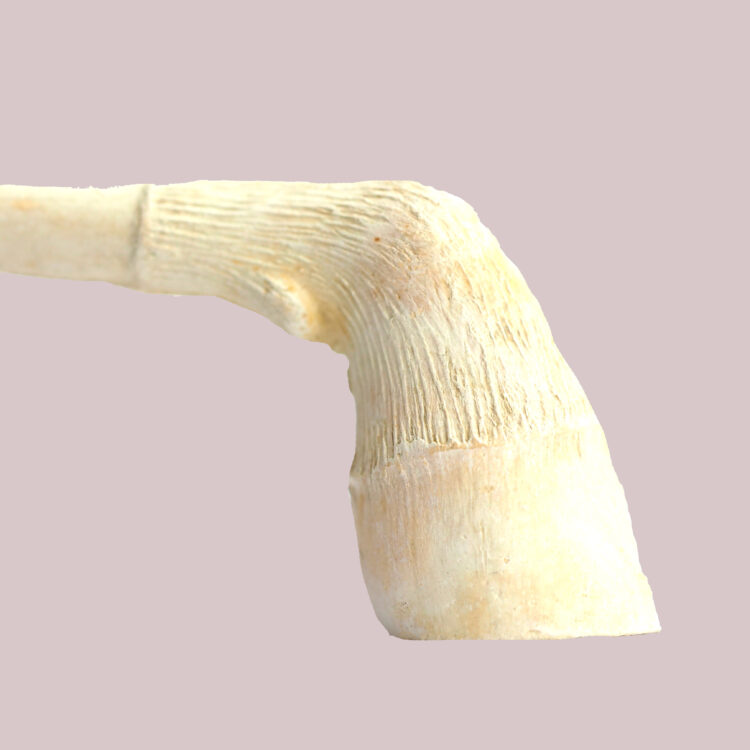
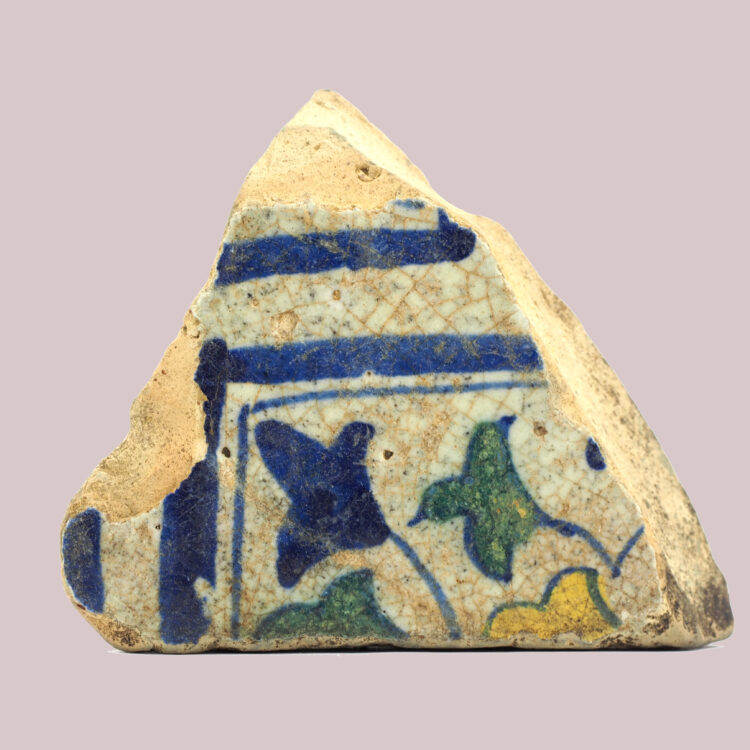
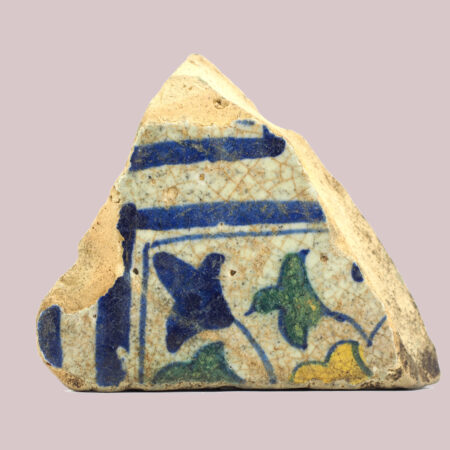
This foreshore is important to London because, for millennia, the mud has captured the lost objects of the city. It’s a storehouse of history, a riverbank of treasures. Everything that was dropped, thrown, dumped, surreptitiously disposed of or sacrificed to some ancient god had a chance of being caught and preserved beneath the river. And the activity of revealing these, of walking on the empty beaches and finding ancient history right before your eyes, is called mudlarking. It’s a very old term: it used to mean busking, cavorting for money (“Spare a penny for Poor Jack,” they’d call, before wrestling each other for the amusement of the gentry). Mudlarks were the poorest of the poor, searching for anything they could resell: lost bits of coal, old rope, copper rivets.