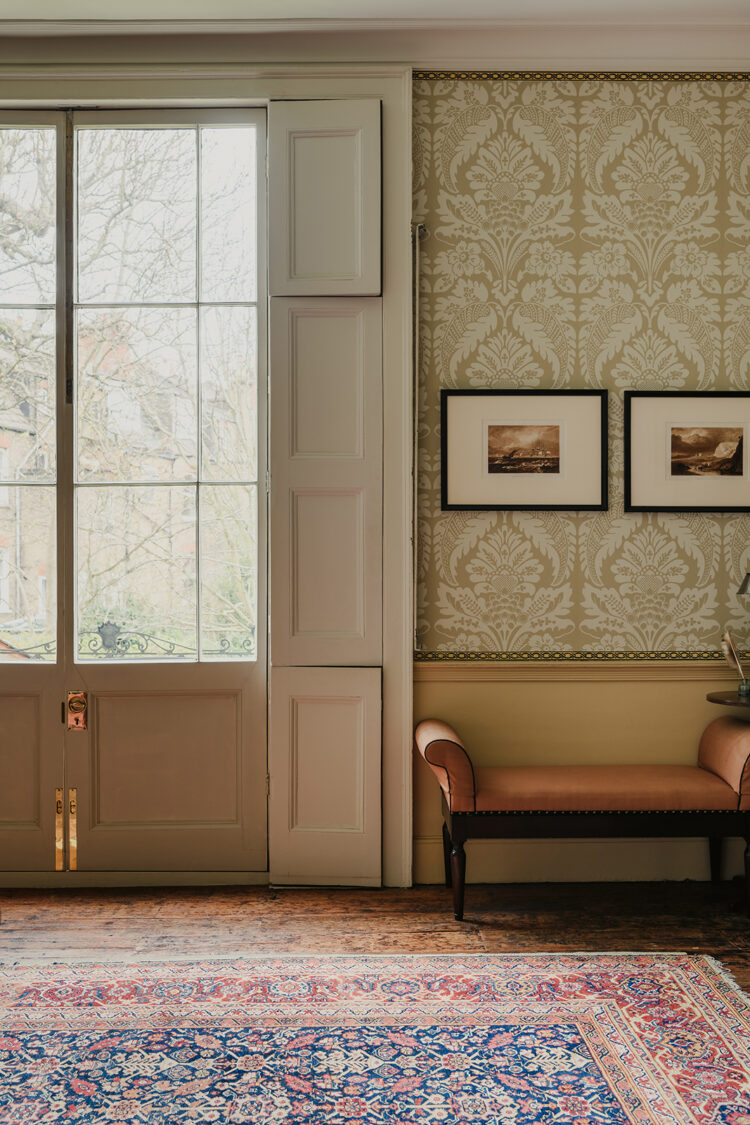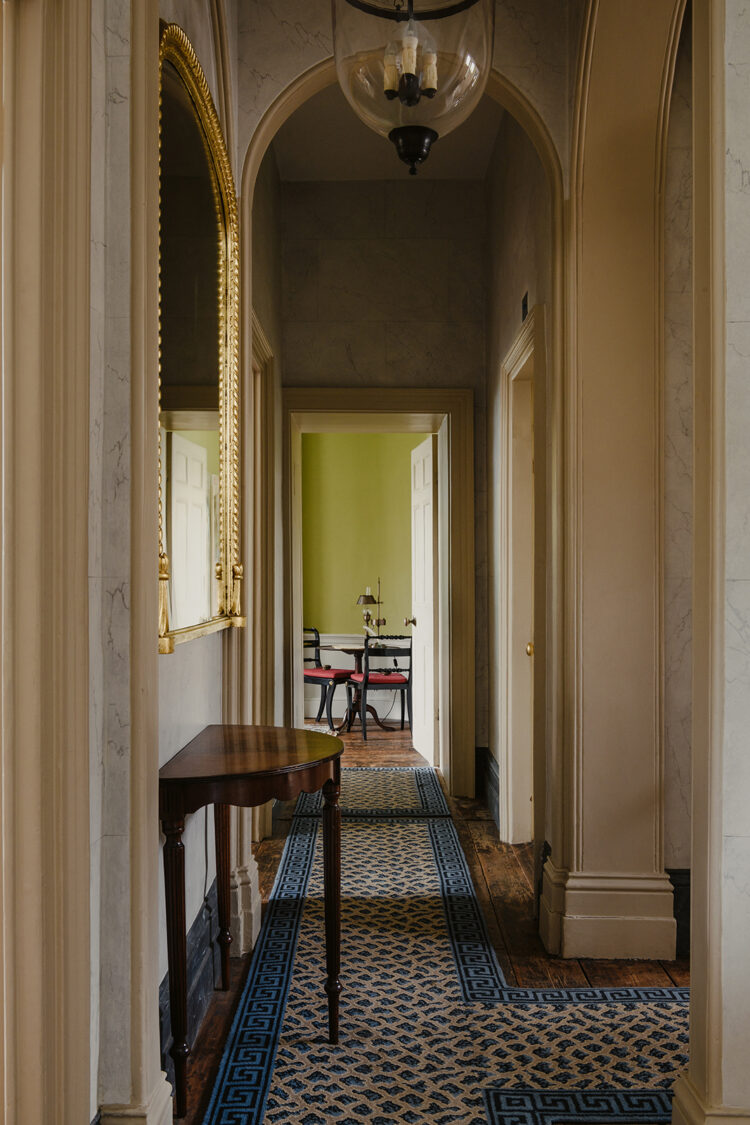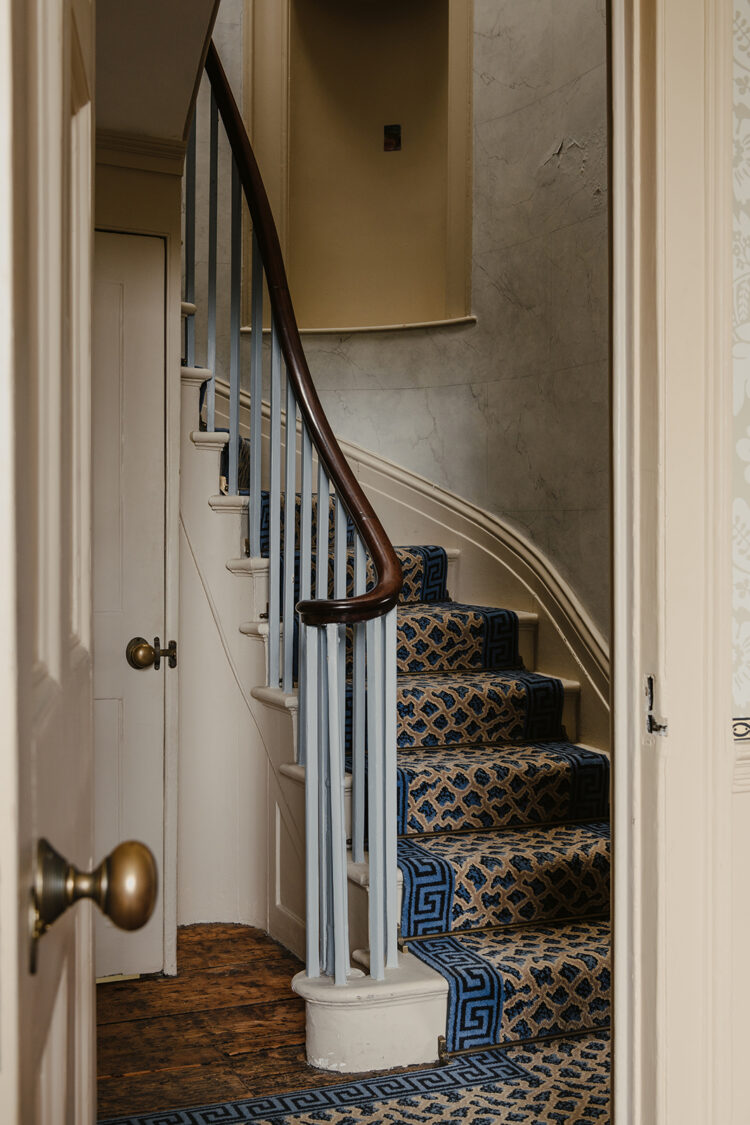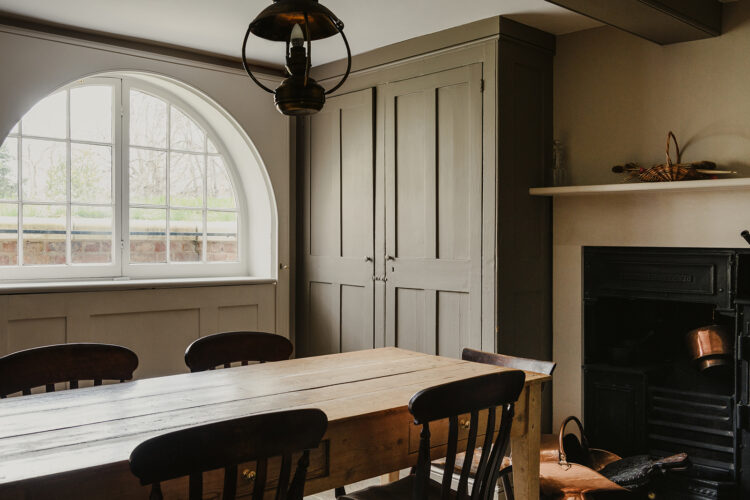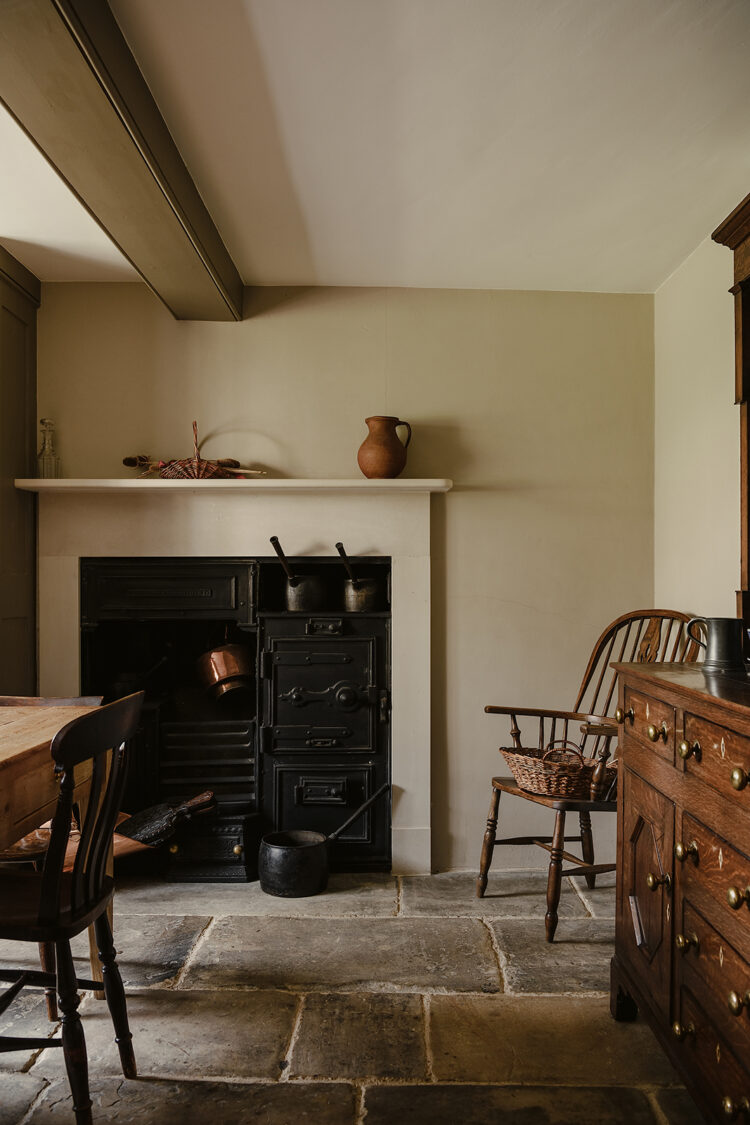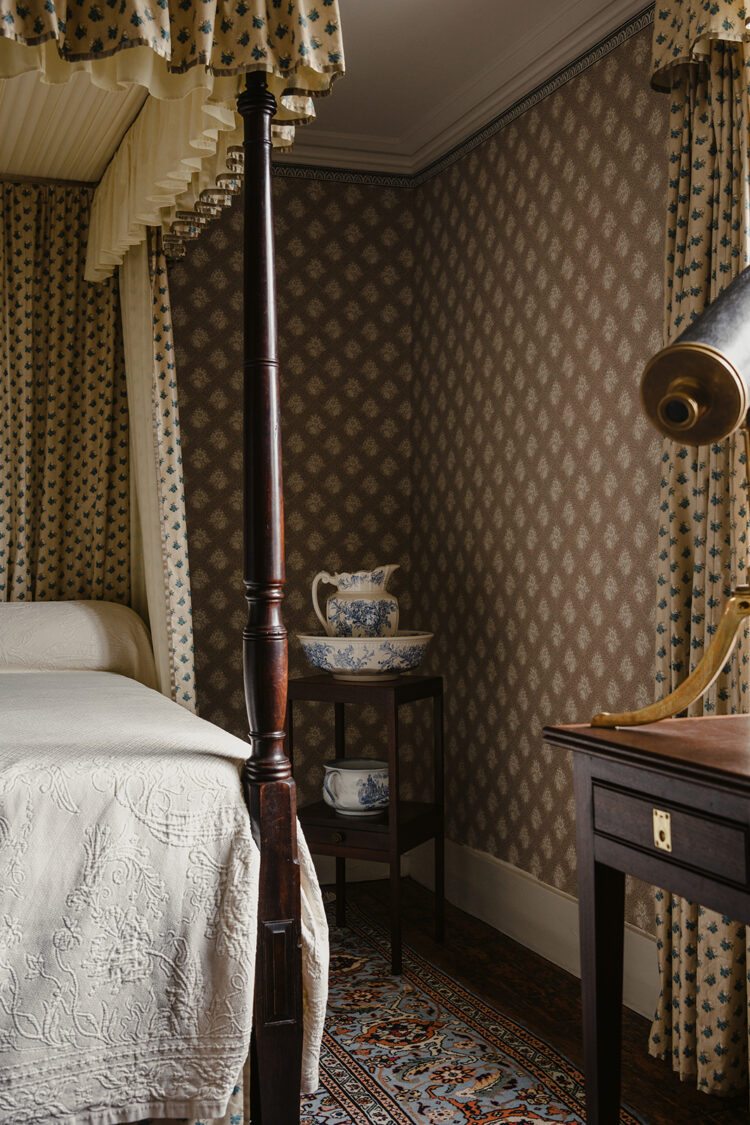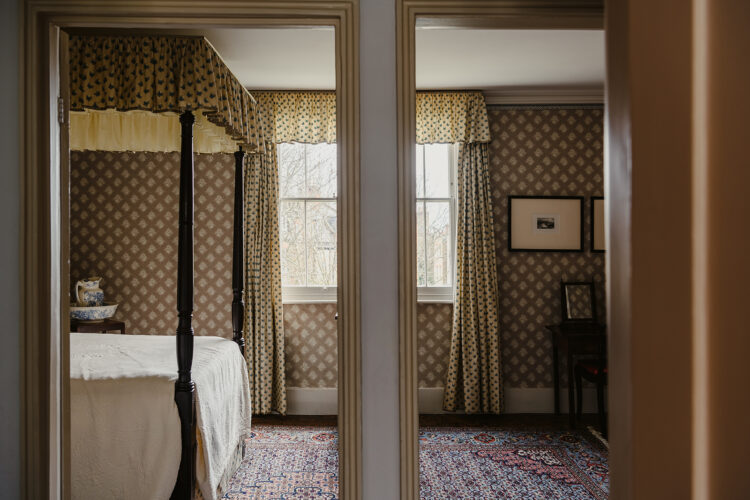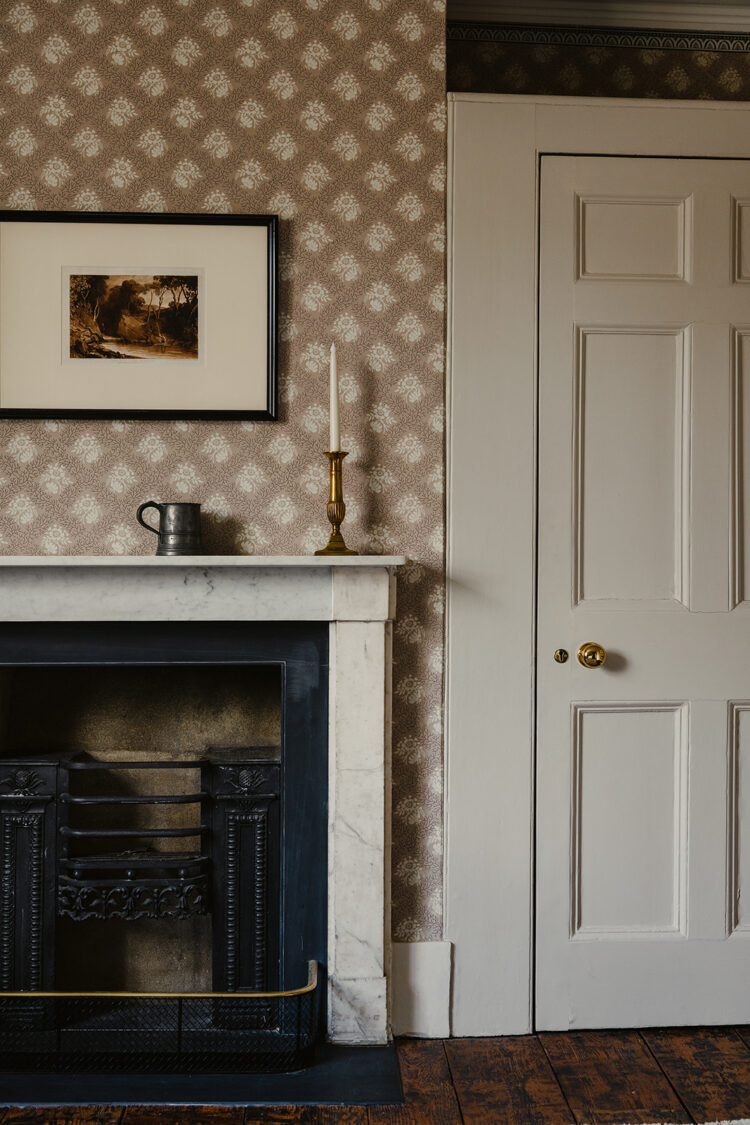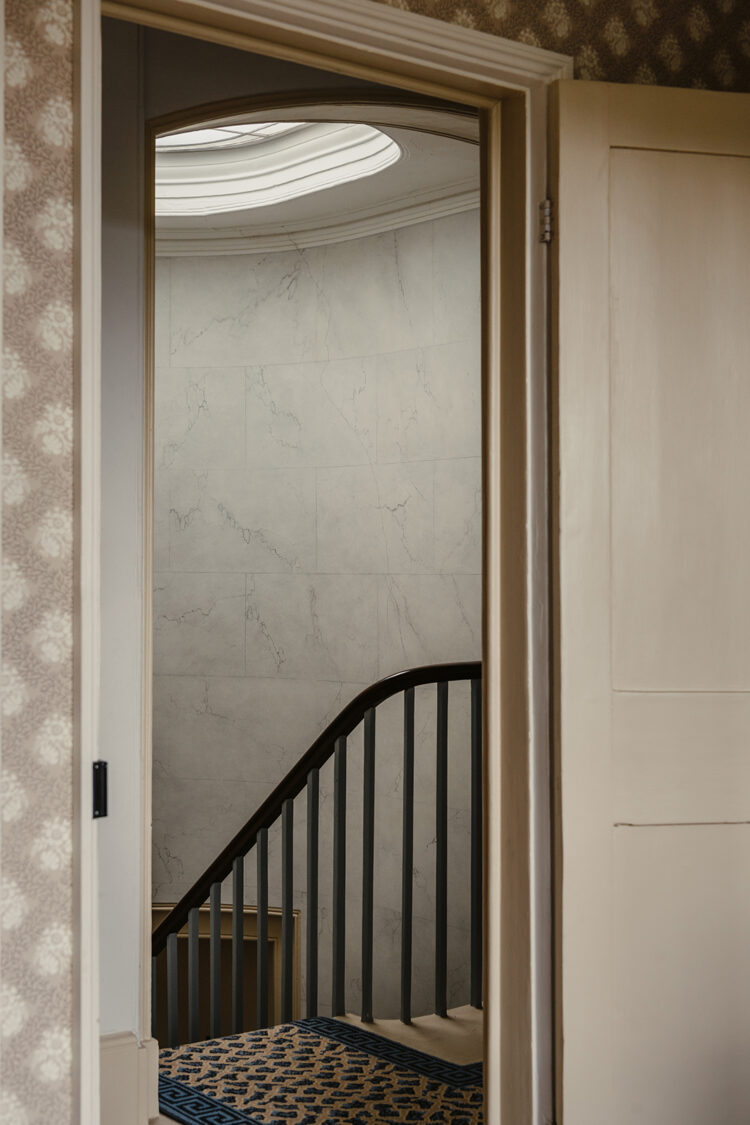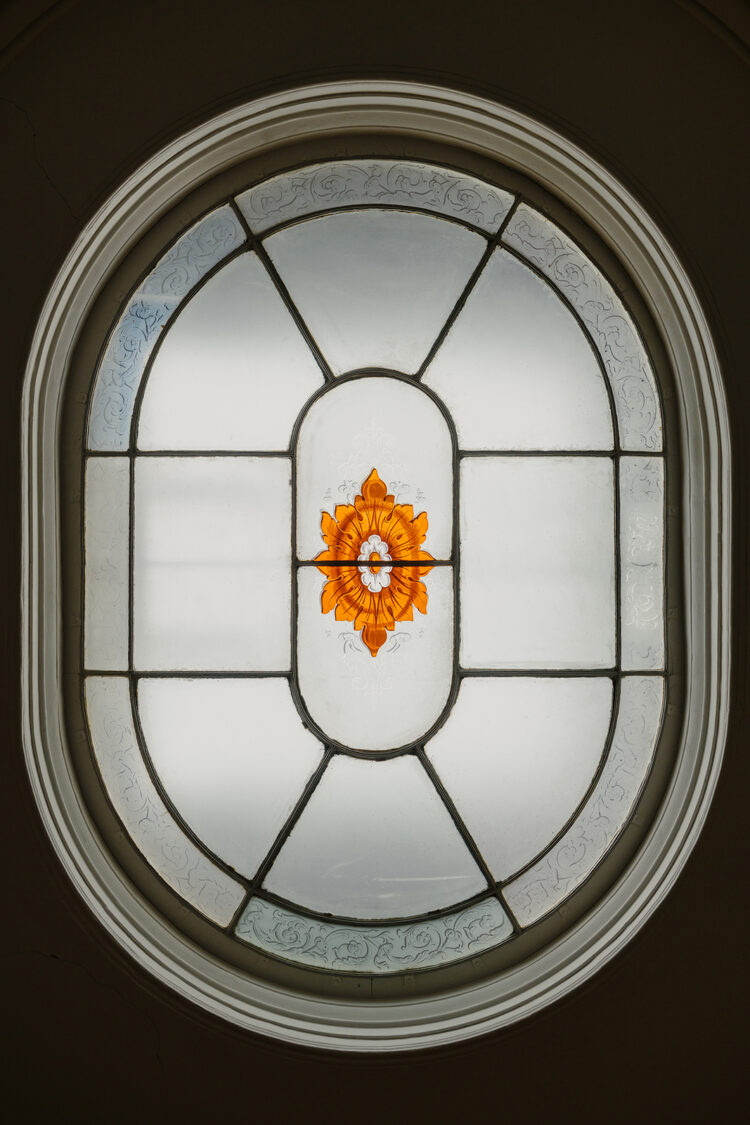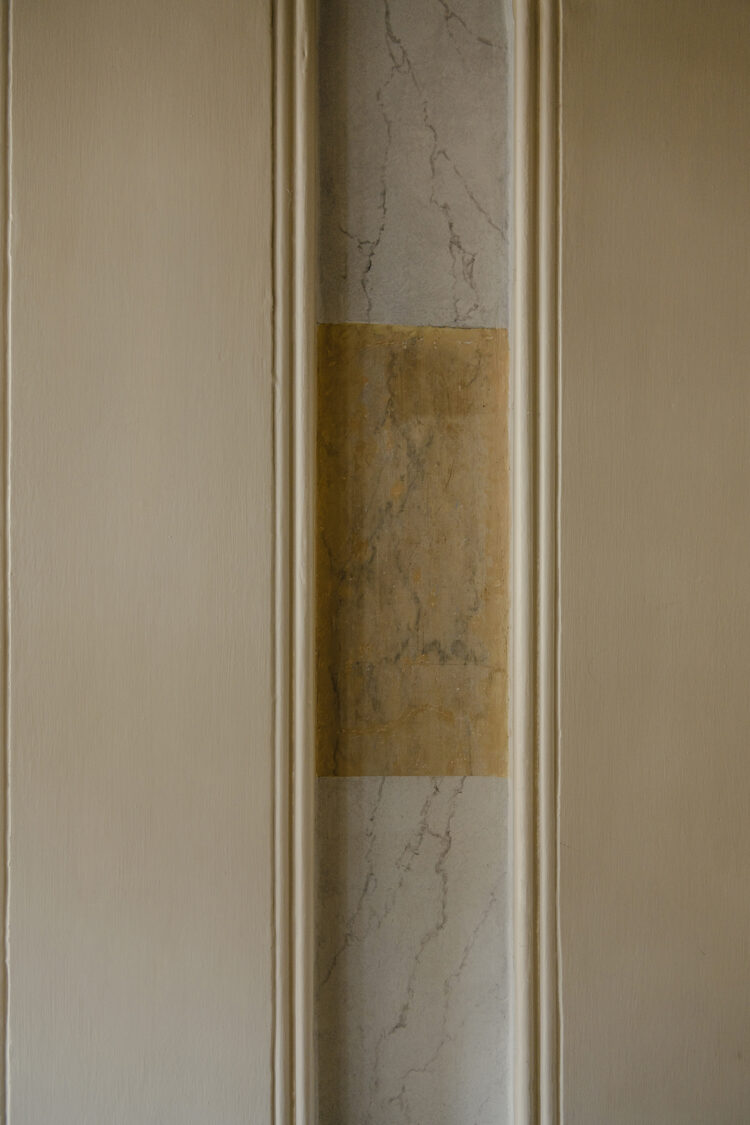



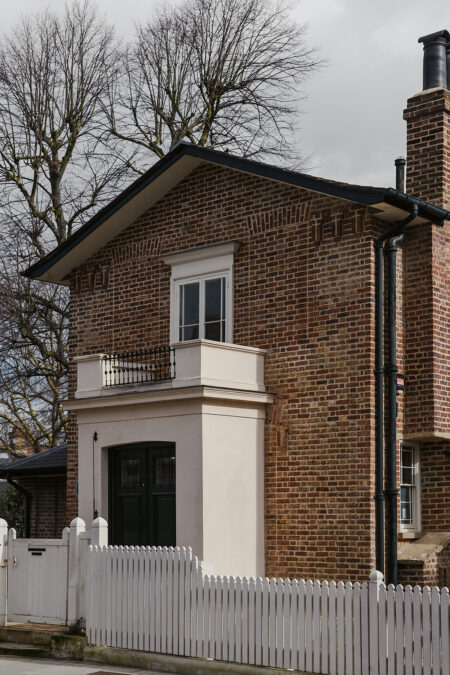
Standing alone amid the handsome Edwardian semi-detached houses of a quiet suburban street in Twickenham, south-west London, is one of Britain’s lesser-known national treasures, Sandycombe Lodge. The house is already eye-catching given its balanced classical façade, Welsh slate roof, smart sandy-yellow bricks and elegant penny-roll pointing, but a blue plaque marks its special significance. For this is the sole extant building designed by one of Britain’s greatest landscape painters, Joseph Mallord William Turner. Now a museum, it is his only residence open to the public – and a singular example of his architectural sensibility.
“Turner was born in 1775 in Covent Garden, but as a young boy was sent to relatives in Brentford, where he developed a lifelong passion for the Thames west of London,” says the museum’s director, Dr Matthew Morgan. “Once he’d become successful, critically and financially, he did what a lot of people in London do and looked outside the city for somewhere to have a holiday home.” At the time, Twickenham was a desirable rural retreat, far enough to escape the noise and smell of the capital, yet close enough to be reached by horse or boat and popular with artists – Sir Joshua Reynolds had lived in nearby Richmond. In 1807, Turner settled on a two-acre wedge of land lying on a gentle slope in the bend of the river, not far from Eel Pie Island. Within a few years, he had set about building a house for himself.