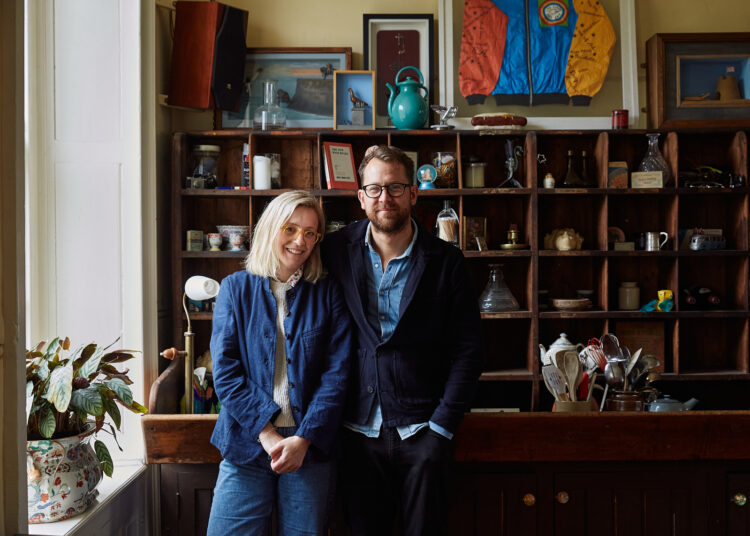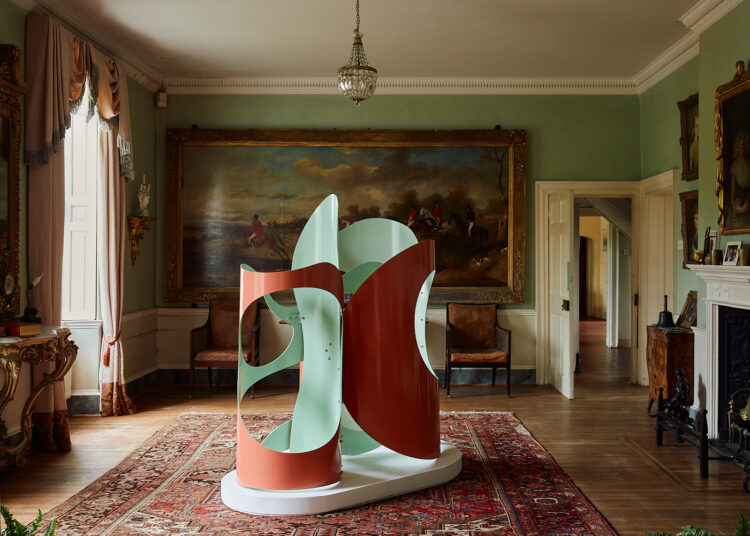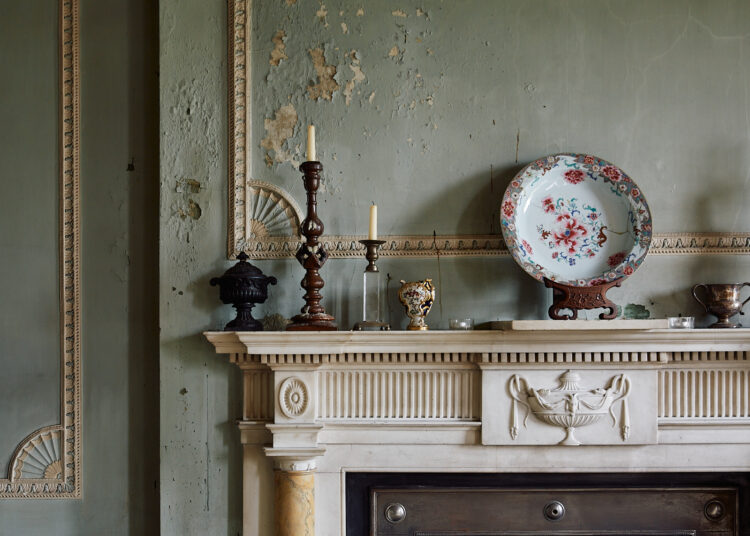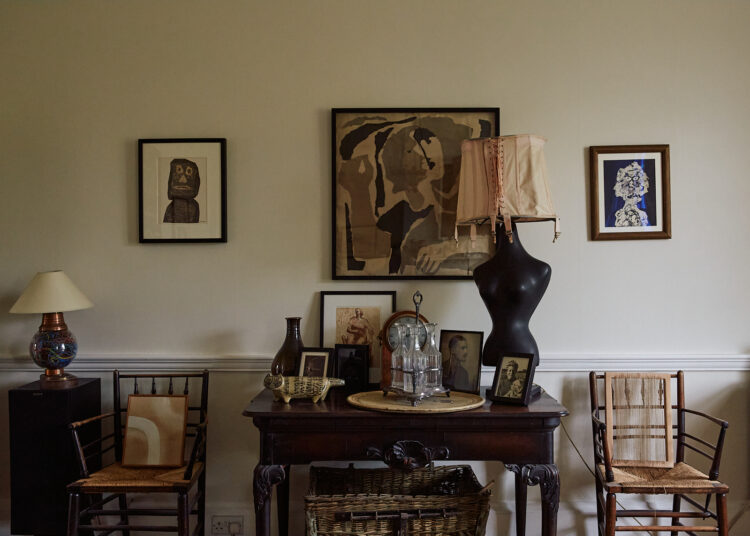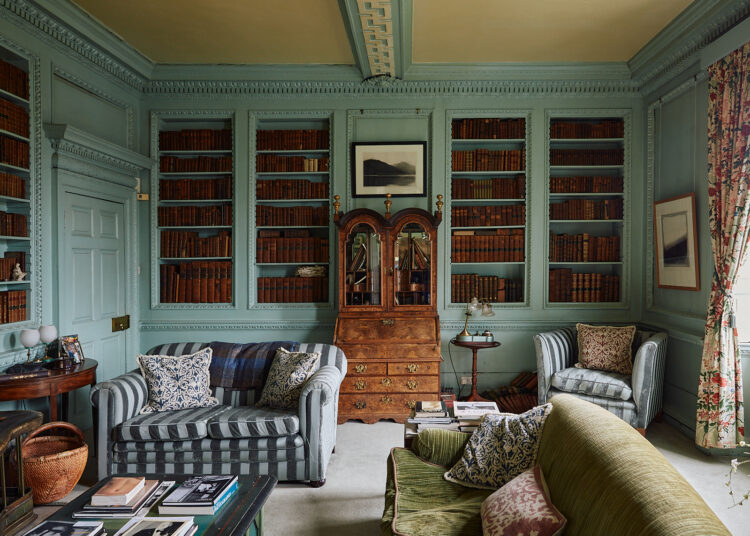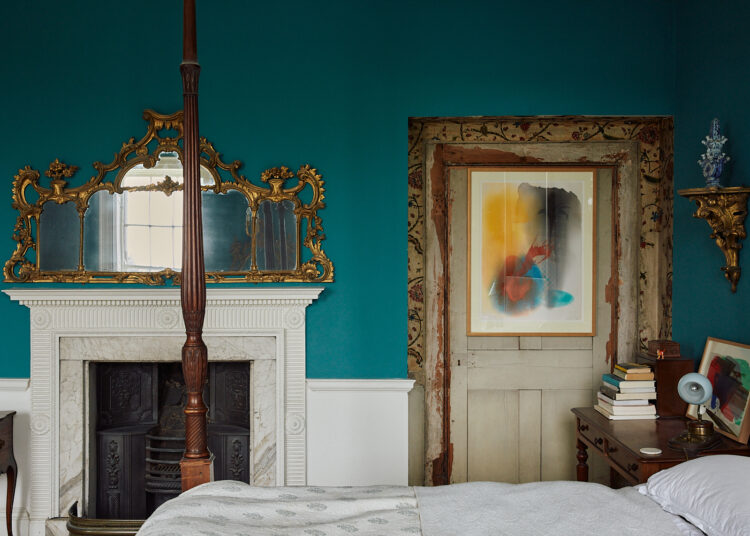



“The question really is: how do you make an old house relevant for modern life without erasing its history?” Daisy Gerrish and her husband, Bill, are sitting in the drawing room of Thirsk Hall, their Georgian house in the heart of the North Yorkshire village of the same name. “We want to keep the old feeling, but still make it our home.”
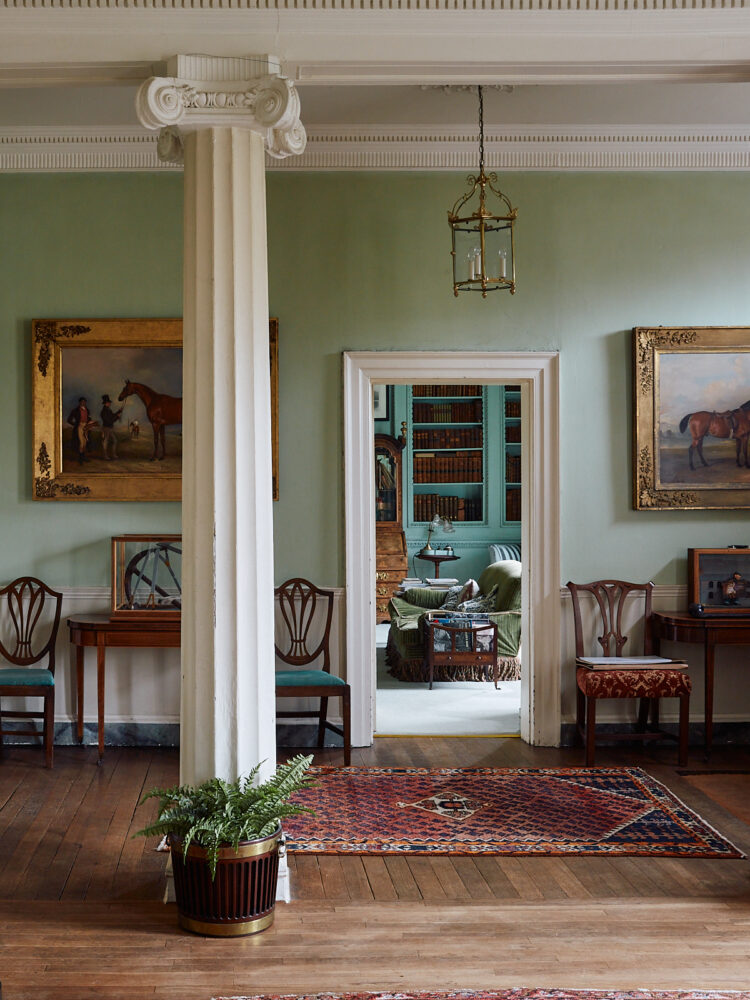
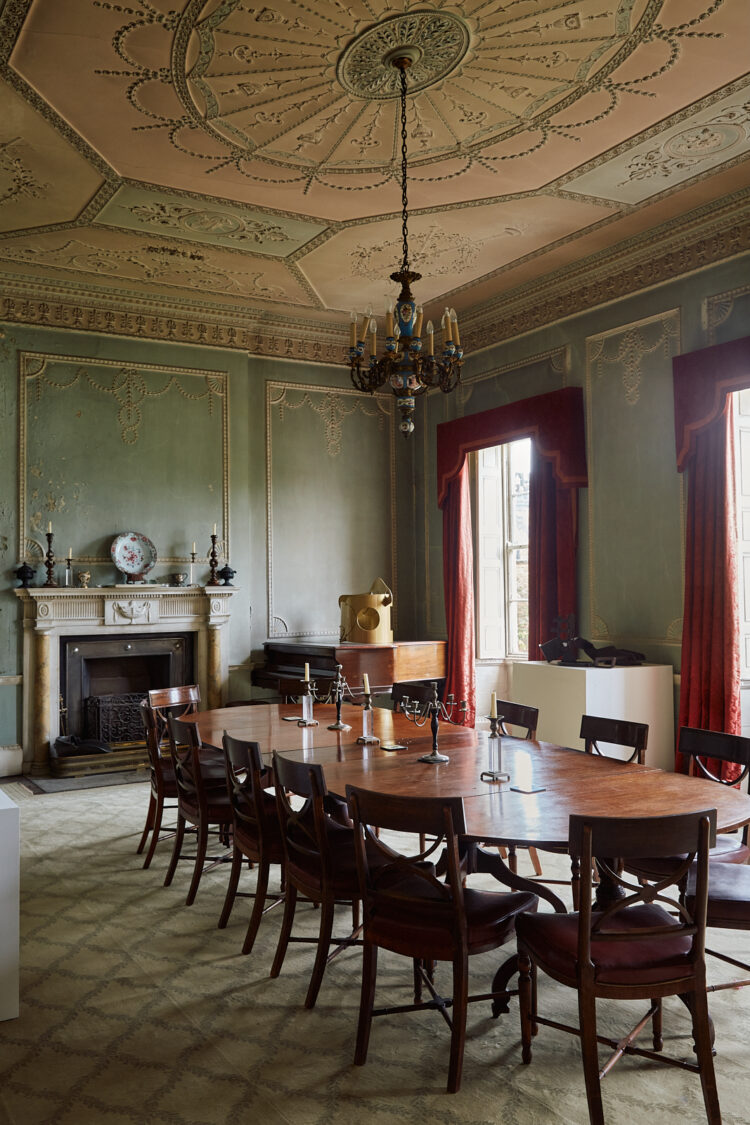
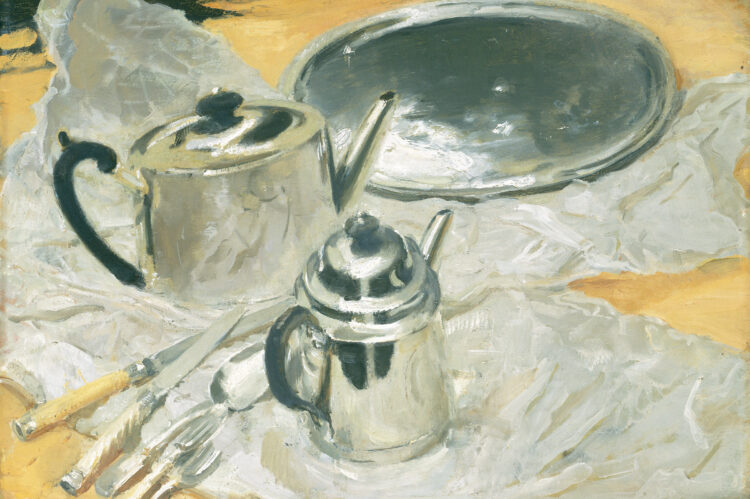
Thirsk is steeped in history. Architecturally, it’s an incredibly well-preserved example of mid-18th-century design. It boasts contributions from some of the most revered names in British built history, most notably John Carr of York, one of the finest architects working in northern England in the 18th century. Artistically, Thirsk’s status is cemented too, thanks to a punchy collection of paintings, including an important and imposing portrait that presides over the dining room. However, there is also a deep personal history to this house. It has been in Daisy’s family for just shy of 300 years and it’s where she grew up. The woman in that formidable portrait is one of Daisy’s ancestors; her watchful gaze is a reminder of the importance of remaining respectful of the past in this prominent country pile.
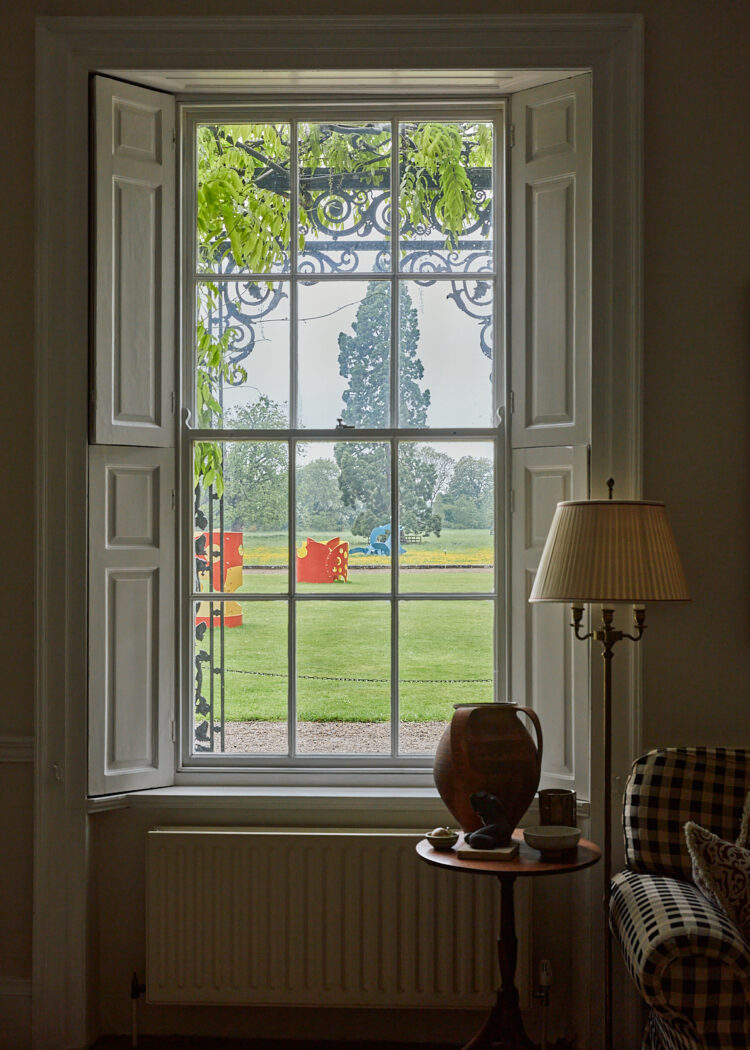
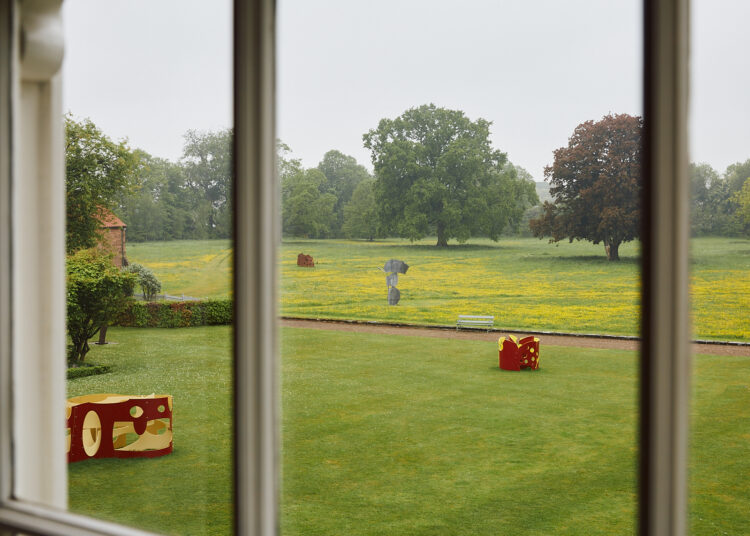
In March 2020, Daisy, Bill and their two young children, moved from London back to Thirsk Hall, where Daisy’s father, John Bell, had been living. Daisy is an art advisor – one half of the firm Cramer & Bell – and Bill is a sculpture dealer (under his full name, Willoughby). To say they are knowledgeable about contemporary art is something of an understatement and, in the intervening two years, the couple have brought their experience to bear at Thirsk, undertaking its refinement and restoration. In the process they’ve breathed new life into the house, with their own tastes, styles and, above all, art. Now, they’re looking at ways others can enjoy the gardens, grounds and some great art to boot.