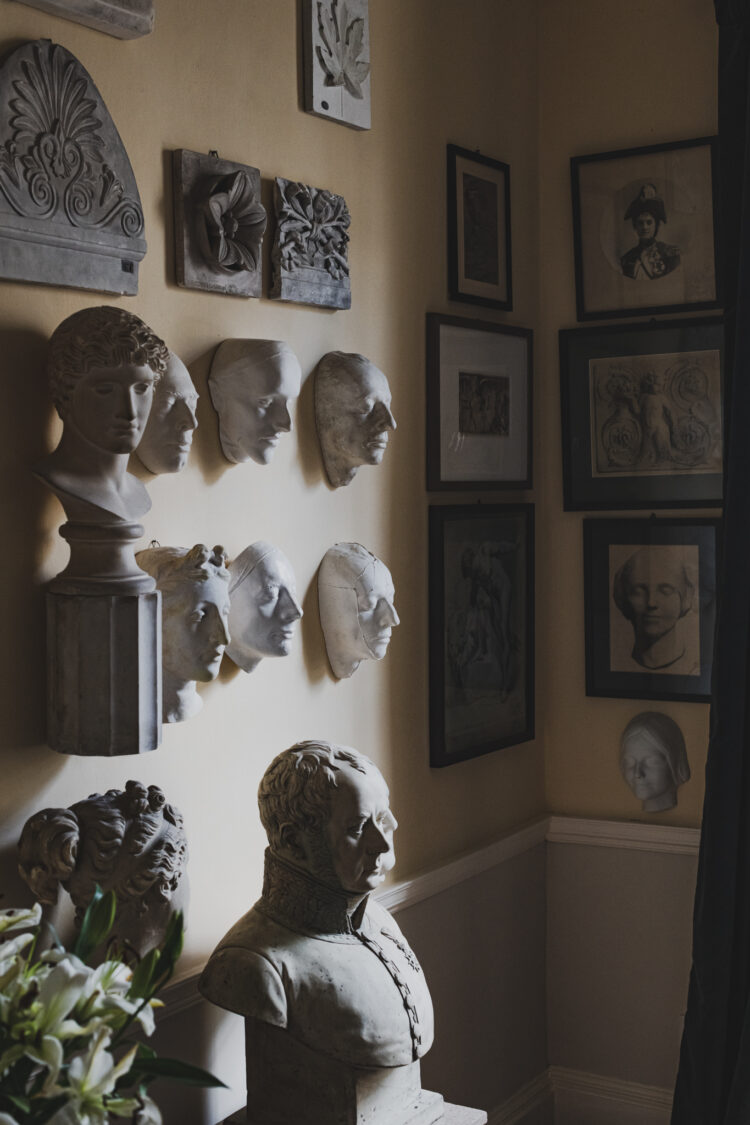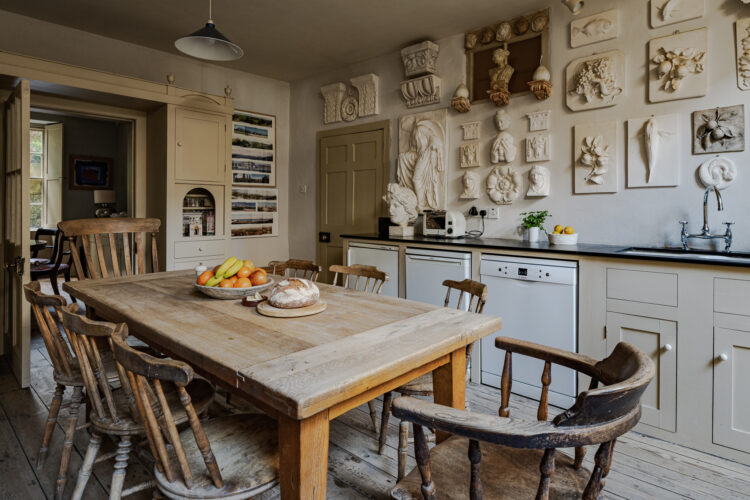



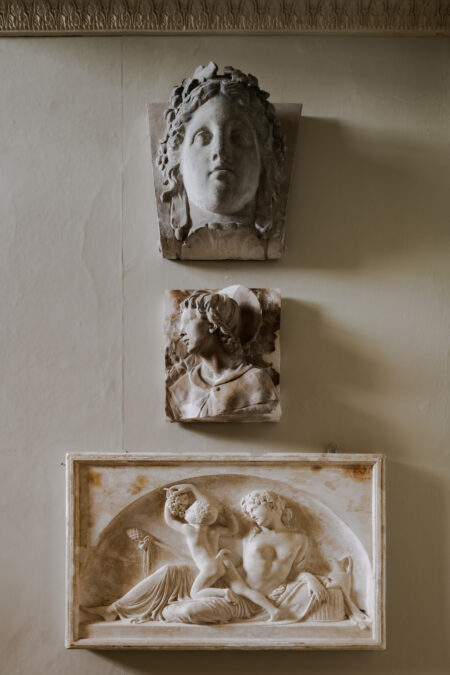
Peter Malone is waxing lyrical in front of a sea of faces. They’ve all got their eyes closed. Tough crowd? Not quite. They form part of the illustrator’s vast collection of plaster casts – these are the death masks. “And life masks!” Peter laughs. “I don’t want to seem too pessimistic.”
The distinction is important. If not squeamish, Peter is certainly sensitive to the idea of death masks and balks at the idea of buying an original of someone he doesn’t know. “I’d be intruding on something very personal,” he says, solemnly. A reproduction, however, is fine, which is why the majority of those in his collection are of notable people: poets, writers, philosophers.
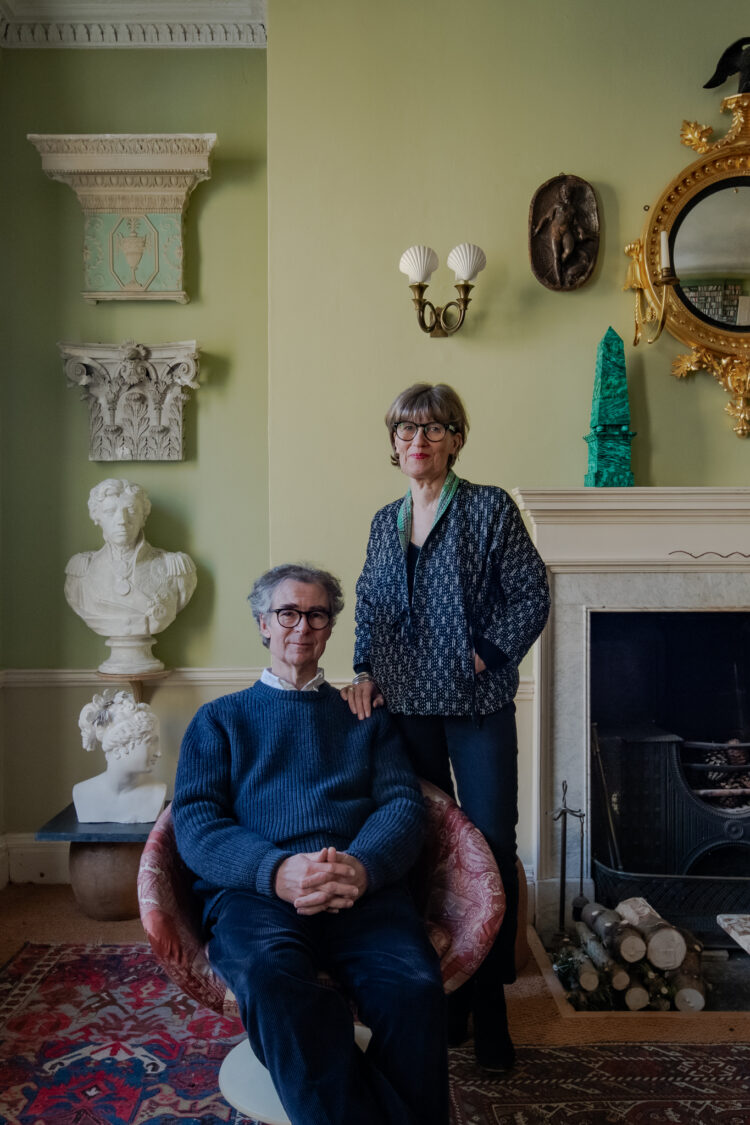
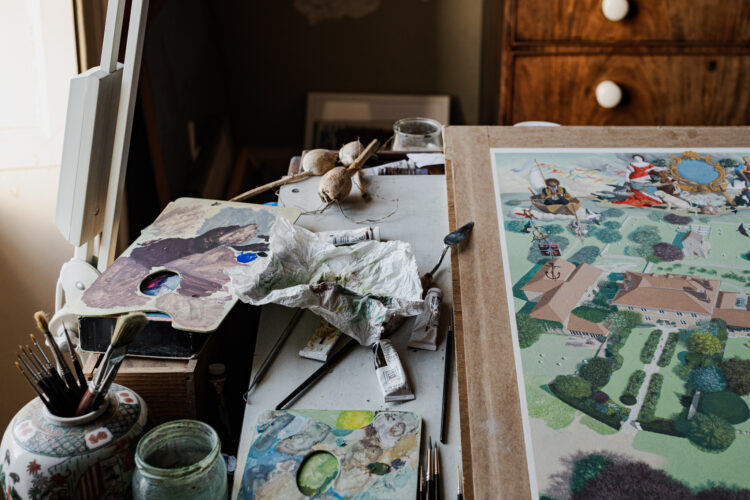
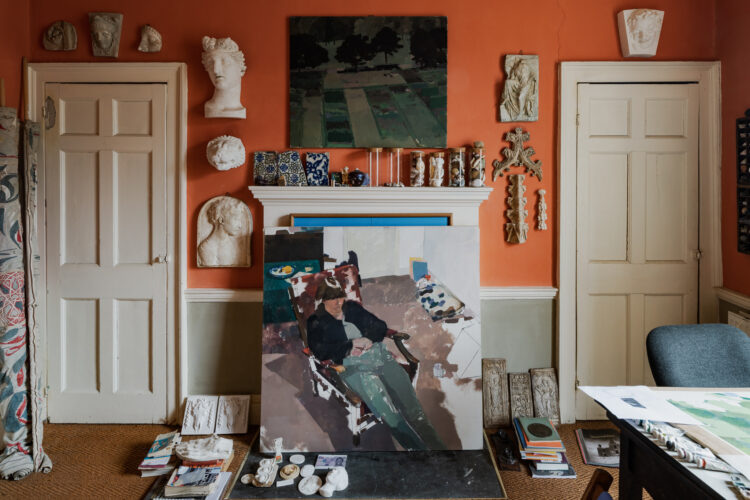
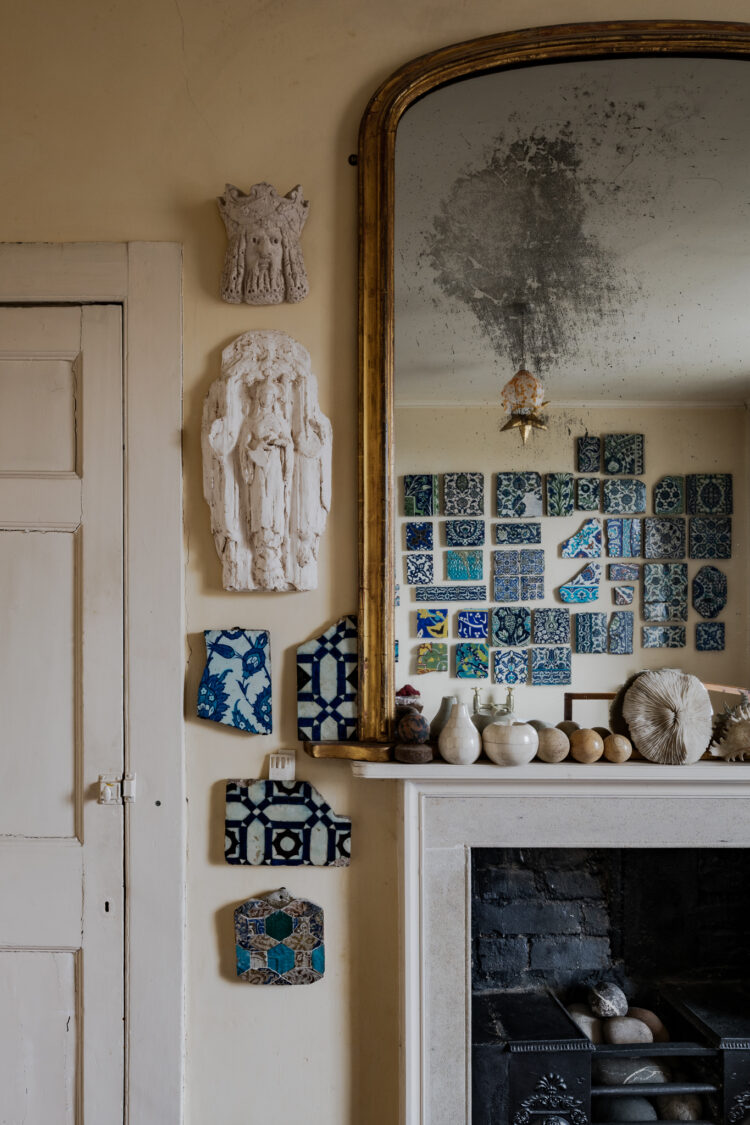
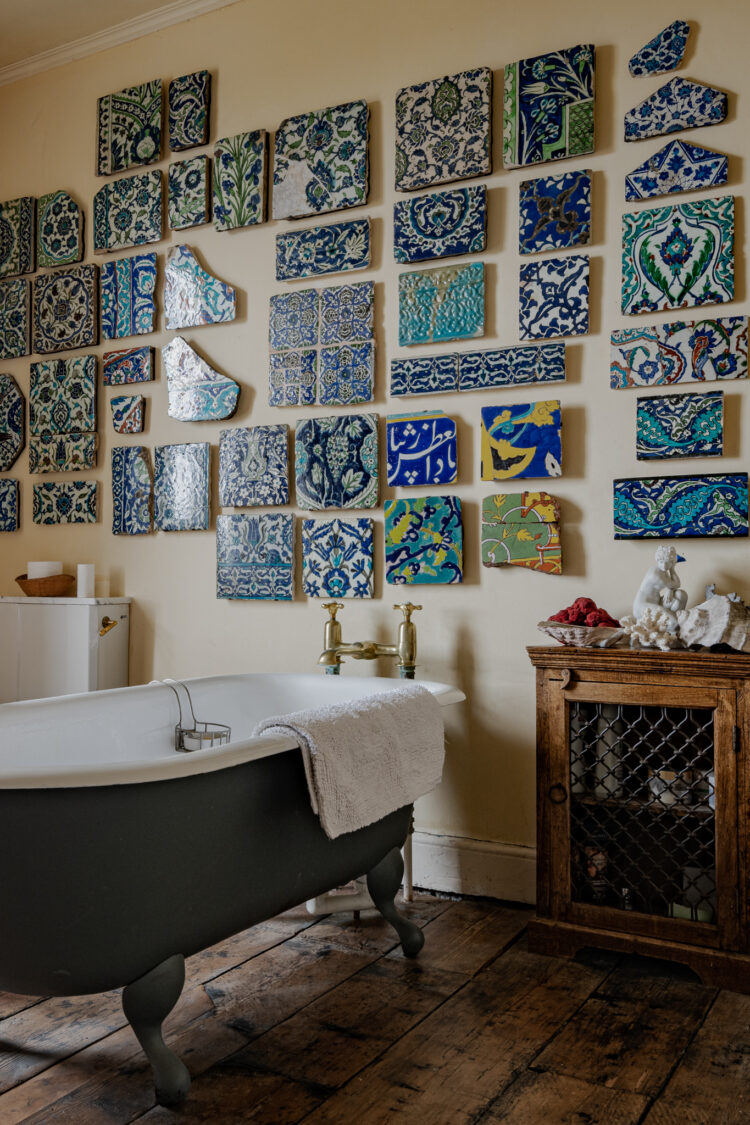
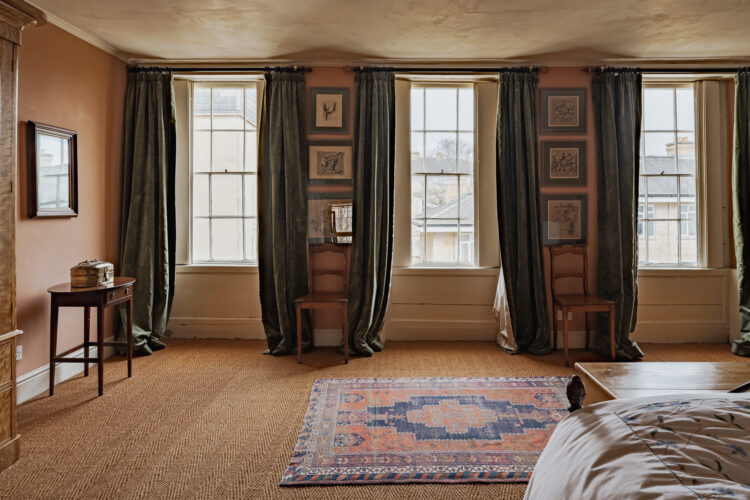
But the distinction is also important because Peter is a details man. One look at his work – meticulous horticultural and architectural portraits of people’s homes, for instance, and exacting book illustrations – proves the case. His wife, Helen, a picture restorer with a punctilious hand, who has worked for major institutions across the country, is similarly interested in the finer characteristics of things. It was through Helen that Peter met Howard Hodgkin, for whom he worked between 1987 and 1993; Hodgkin’s splashy works, in sultry shades of turmeric and treetops, now hang in almost every room of their lofty house on the slanting Northampton Street, in the northern reaches of the city. The late, great painter’s influence lives on in the couple’s spectacular array of Ottoman tiles too, a love they all shared.
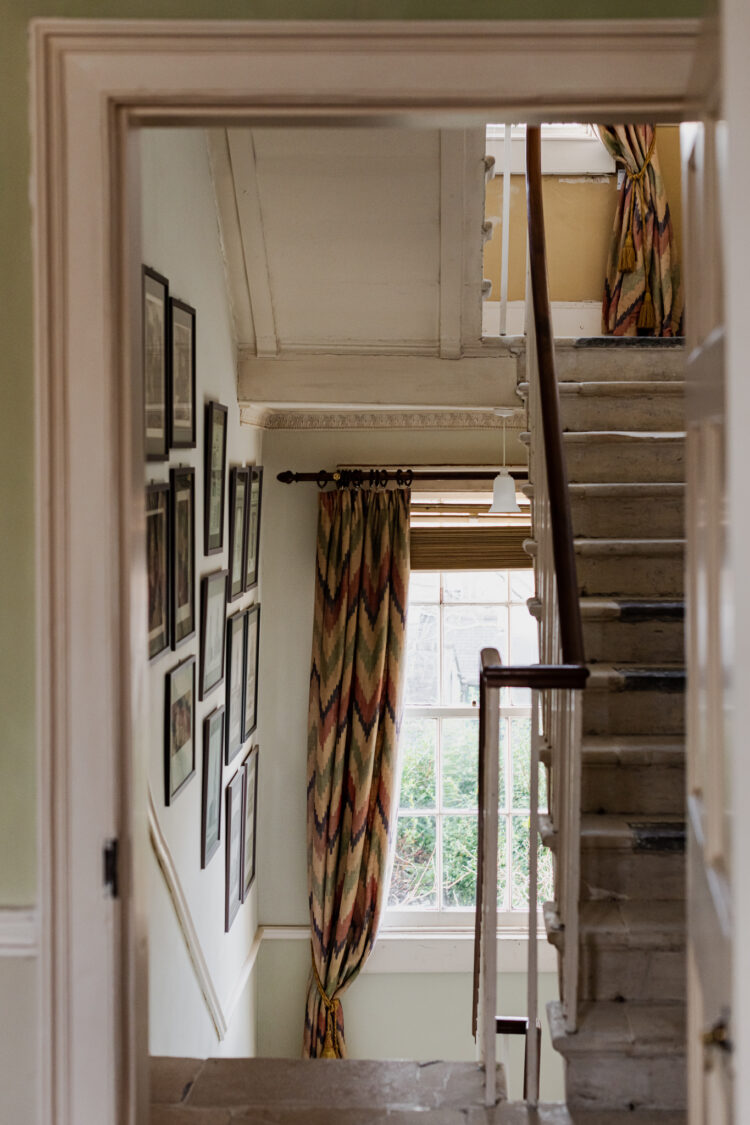
Designed by John Pinch the Elder, Peter and Helen’s house forms part of a development finished in c1800, the earliest known work by this key architect of Bath. The road was bombed badly in the Bath Blitz of April 1942, though mercifully one side survived. “I think they must have been aiming for the Royal Crescent down the road,” Peter says. “It was a moonlit night, so they did manage to get quite close.” The blasts destroyed many of the windows on the street, though Peter and Helen’s place still has “the odd original pane”. This is the kind of historical jewel – like the stone stairs’ bowed treads, hollowed by hundreds of hobnailed boots – that Peter rightly delights in sharing.
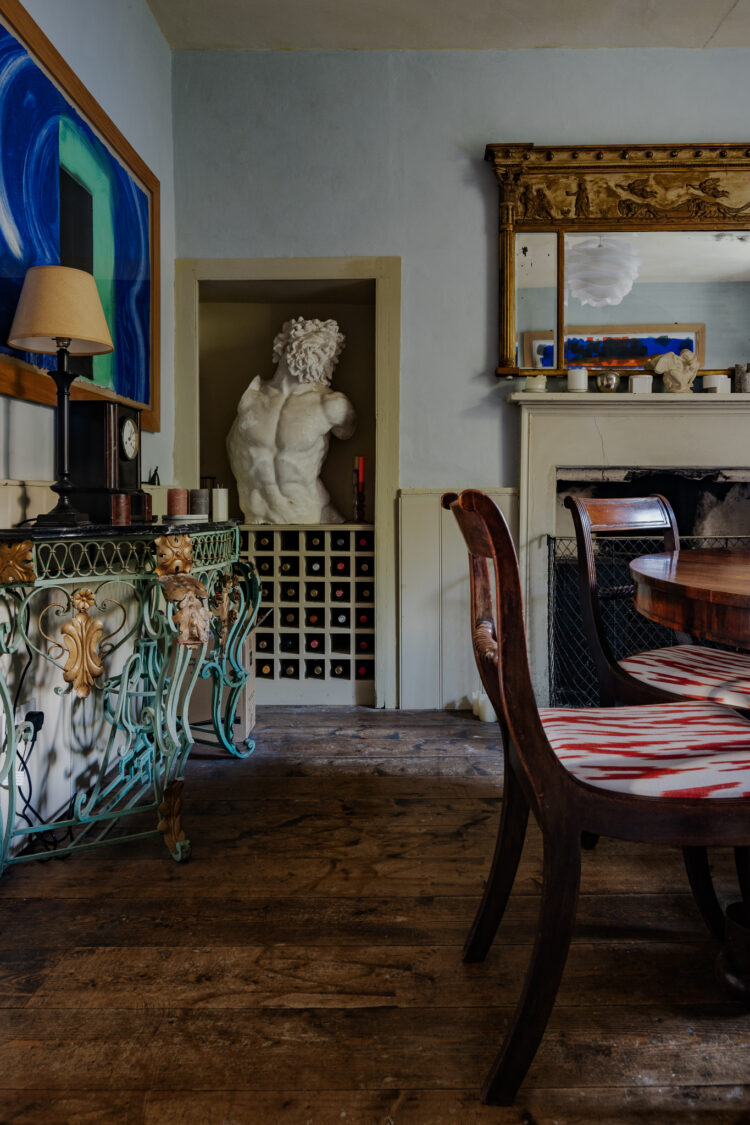
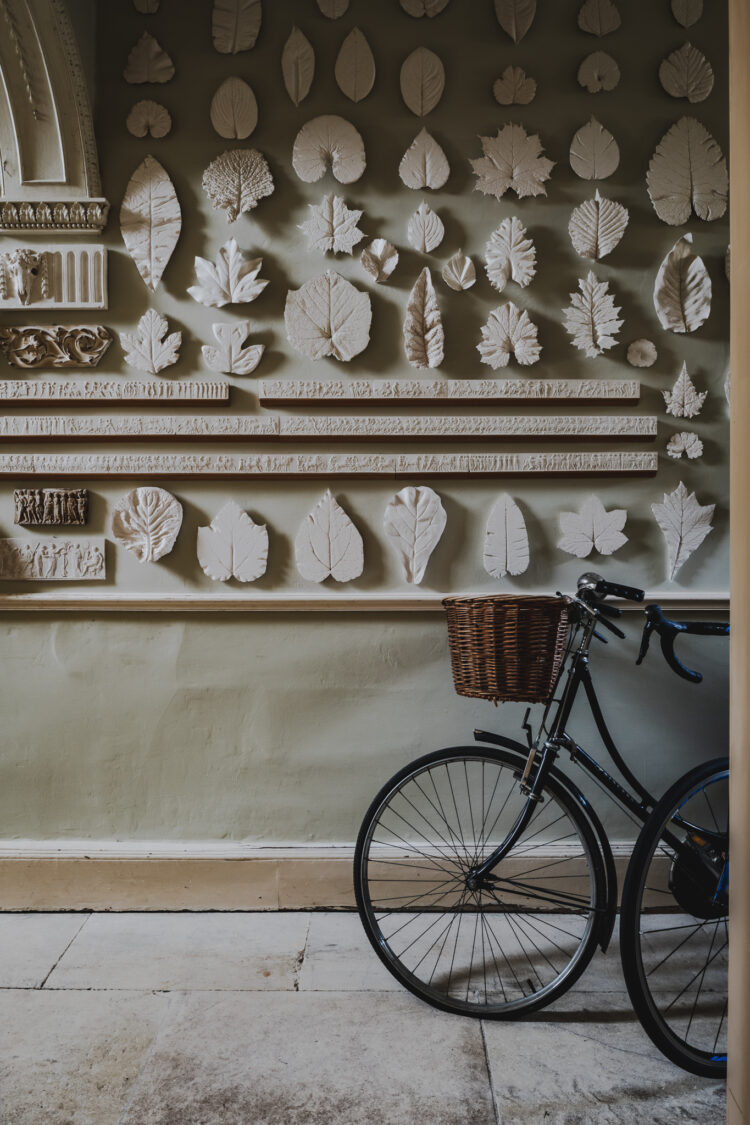
As well as an appreciation of the smaller things, both Peter and Helen are blessed with an eye for the outstanding: auction-house furniture, exquisite Islamic ceramics, and, not least, the scores of plaster mouldings that Peter has collected over the years, of which he’s something of a scholar. Point to any of the hundreds dotting the walls and he’ll tell you a story.
In fact, the same can be said of his and Helen’s house and the beautiful things with which they’ve filled it. Both halves of this couple are easily provoked into anecdote – just ask them who painted that picture, why that thing looks the way it does – and they’ll regale you with a tale of the unexpected. Both are immensely knowledgeable about the things they love. One gets the sense that this is a direct result of a long and fulfilling relationship with their home, one they’ve decorated with purpose and thought. Looking round, it’s clear that in this house, they’ve broken the mould – for here, familiarity breeds not contempt, but endless curiosity.