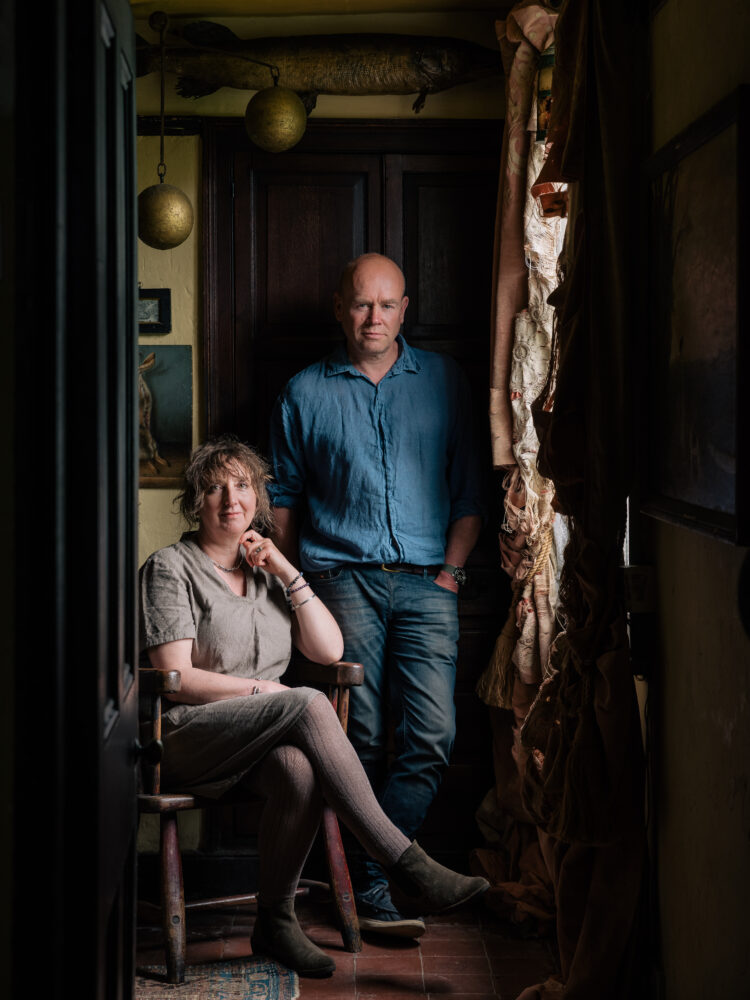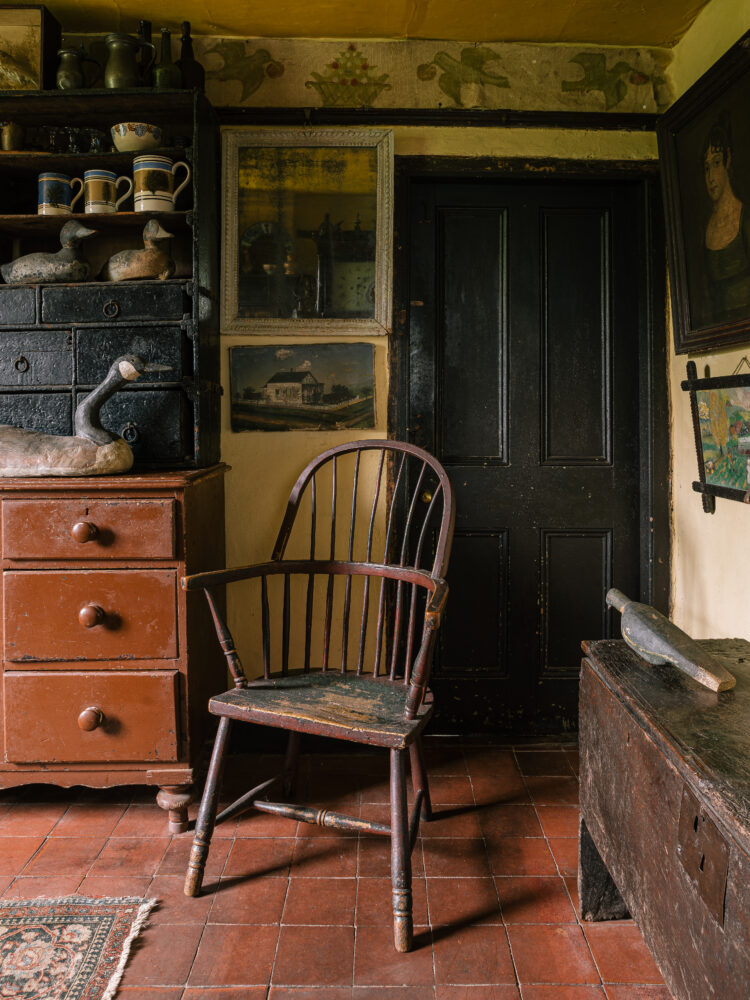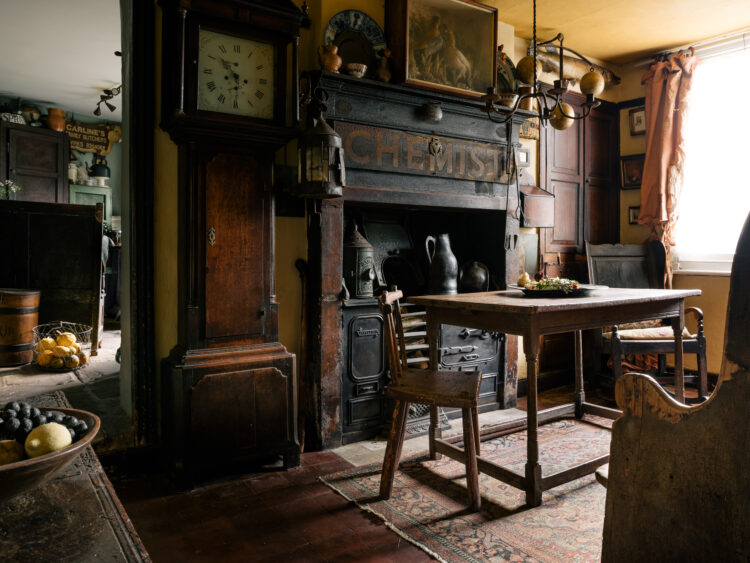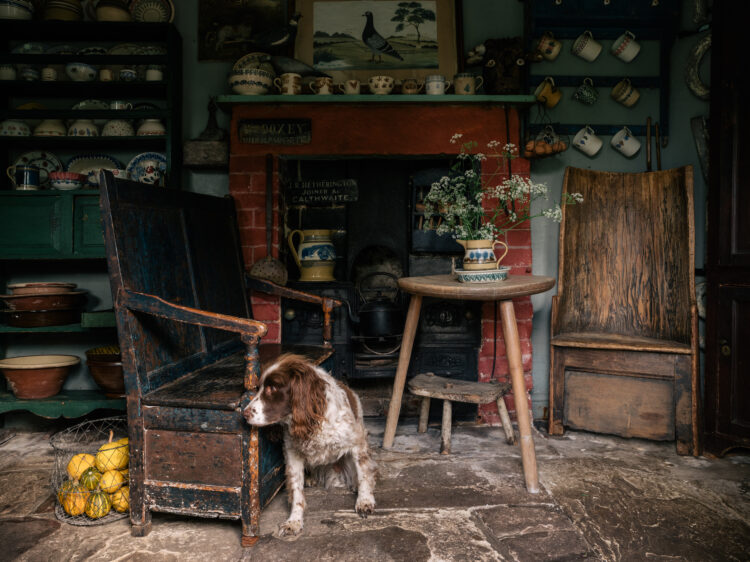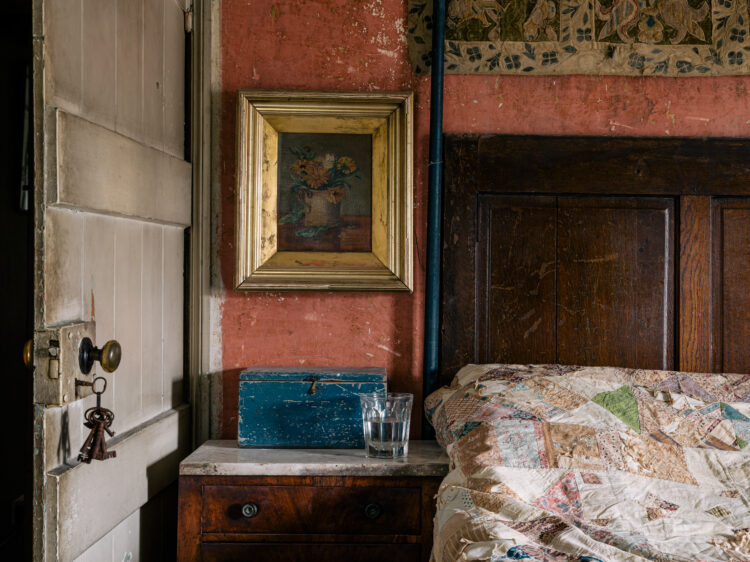



“I don’t think we’ve ever bought a new piece of furniture.” Jane Slater glances around her sitting room and then to her husband, Rob, who nods in agreement. “Why would we need to?” he replies. Looking at the careworn and comfortable-looking sofa on which they sit, to the oak settle in the kitchen and to the myriad chests and dressers that huddle in various rooms, their woodwork hidden beneath centuries’ worth of paint jobs, we tend to agree.
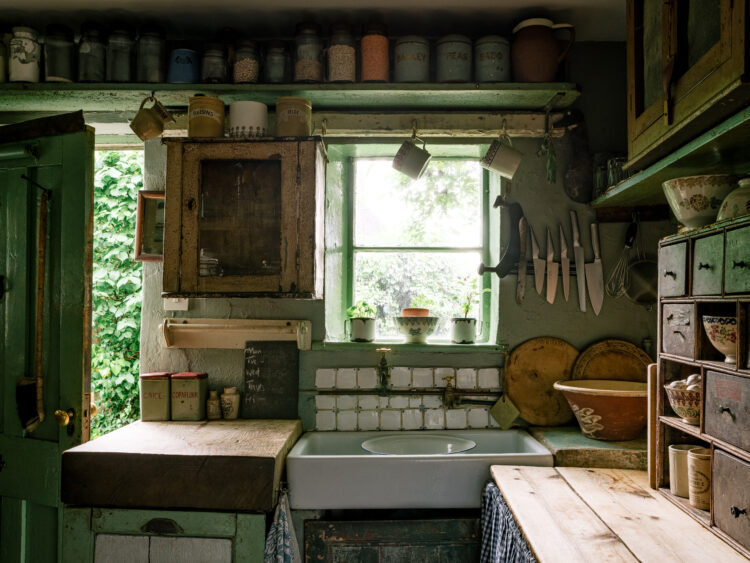
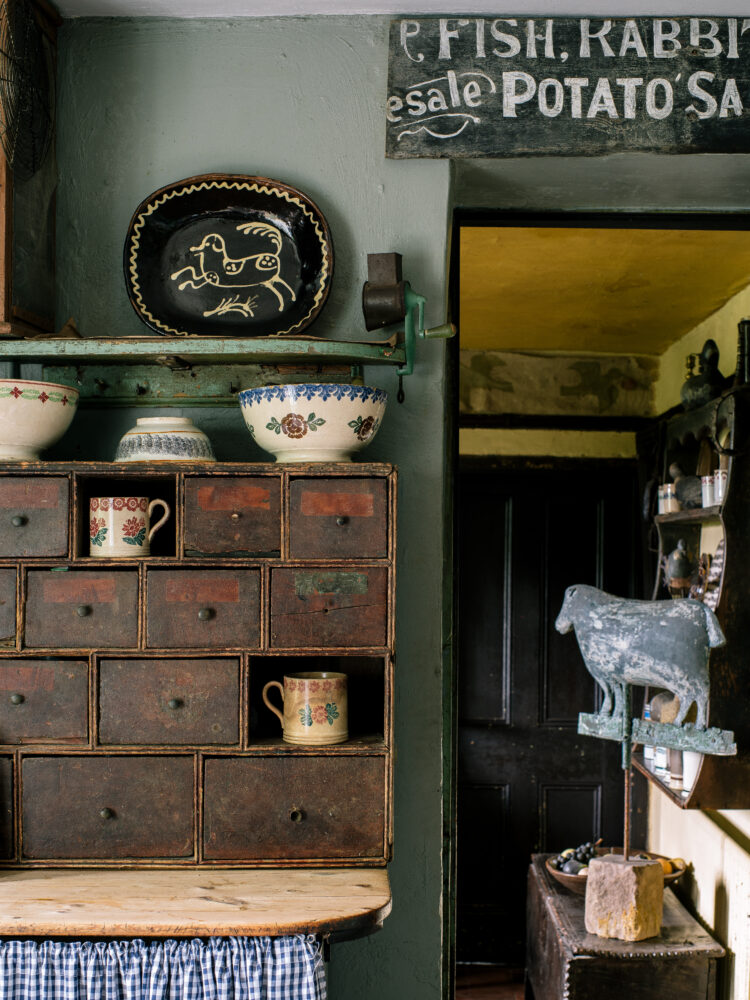
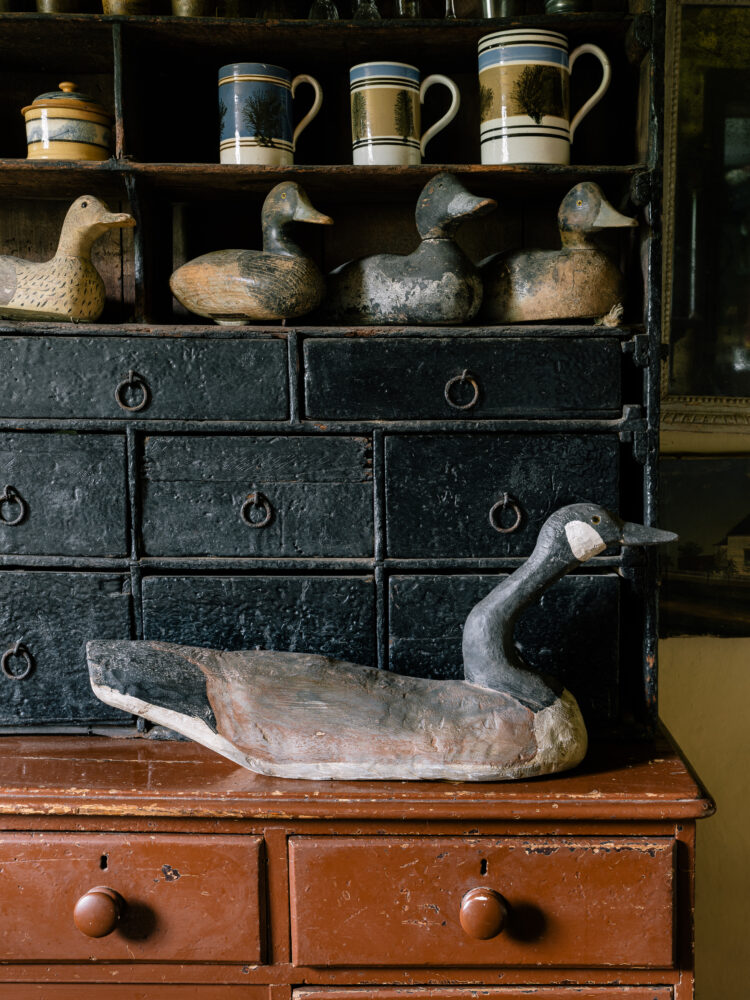
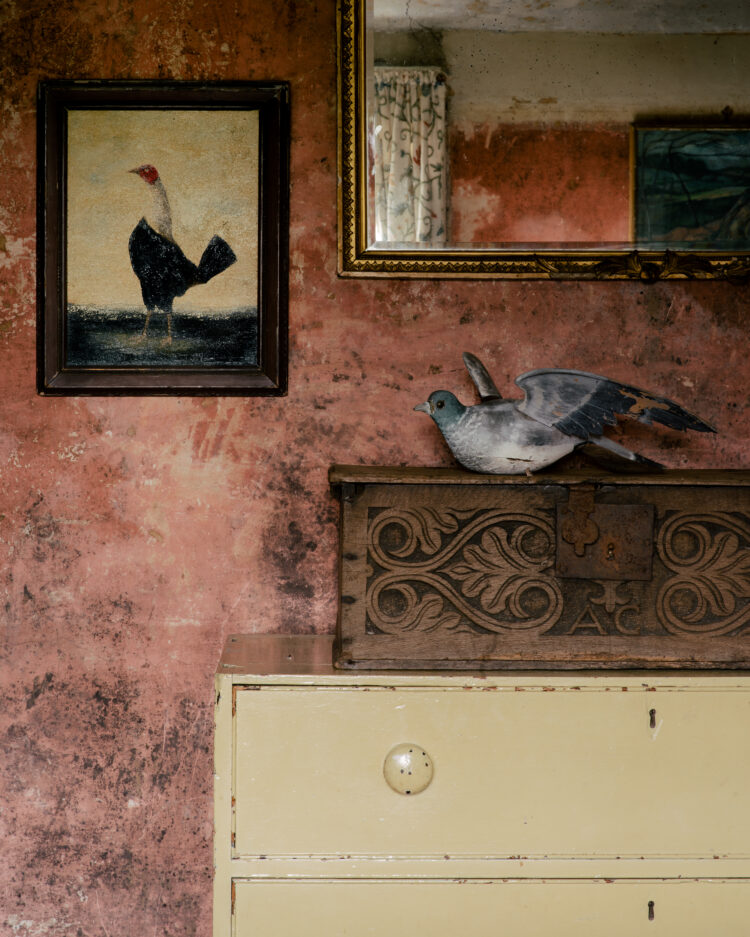
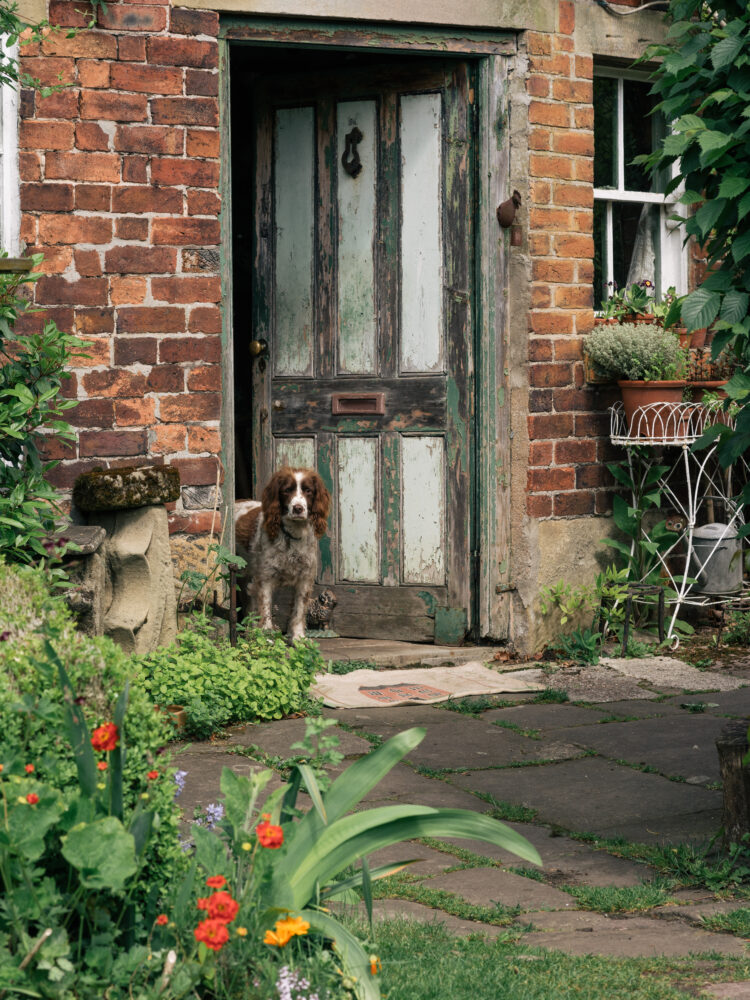
The Slaters’ is a full house, well stocked but not stuffed, as pictures – taken by the couple’s son, Will – show here. Shelves are dotted with just the right amount of things: spongeware bowls jostle happily with mochaware mugs, pieces of patina’d pewter with painted decoy pigeons. Until you spot the magnetic knife rack by the kitchen sink, you’d be forgiven for thinking its spaces were sets from a period drama – except, of course, they live: this is a functioning family home, where a spaniel snoozes in the sun and chickens peck dirt in the allotment. Inigo is only slightly disappointed to learn that there’s a washing machine behind the kitchen cabinet’s curtains. “Can you believe it – we even have a telly,” Jane laughs.
Everything here – save for a few mod cons – has been bought second-hand, the result of countless dawns spent rummaging at flea markets, and hours of rifling through auction catalogues. Jane and Rob are dedicated to finding beauty in the everyday, it seems, and to giving new life to objects and artefacts that have less of a place in the modern world than they once did – weathervanes, for instance, or painted pub signs. “You can’t just chuck these things,” says Rob, a folk artist and engineer of 40 years.
It’s clear talking to both him and Jane, a special-needs teacher, the satisfaction such thriftiness brings them. But the couple have style too, an eye for the unusual and the genuine – as anyone that follows them on Instagram knows. They talk about their collected things with the air of professionals, only without a scrap of pretention. Their modesty belies knowledge, however, as a conversation with Rob about primitive chairs quickly proves. But they wear their learning lightly, instead living with – and loving – the things they buy, bringing them new life in the process.