InigoInigo Logo

A Garden with a History: a quiet inheritance, tenderly reimagined by designer Tom Faulkner

When taking on his late mother’s Oxfordshire cottage, furniture designer and maker Tom Faulkner inherited more than just bricks and mortar. Along with it came her exuberant, carefully planted garden — a deeply personal creation that posed a gentle dilemma: how to honour what had come before while also making it his own ...

Homes / Interiors
Words
Grace McCloud
Photography
Kim Lightbody
A Garden with a History: a quiet inheritance, tenderly reimagined by designer Tom Faulkner

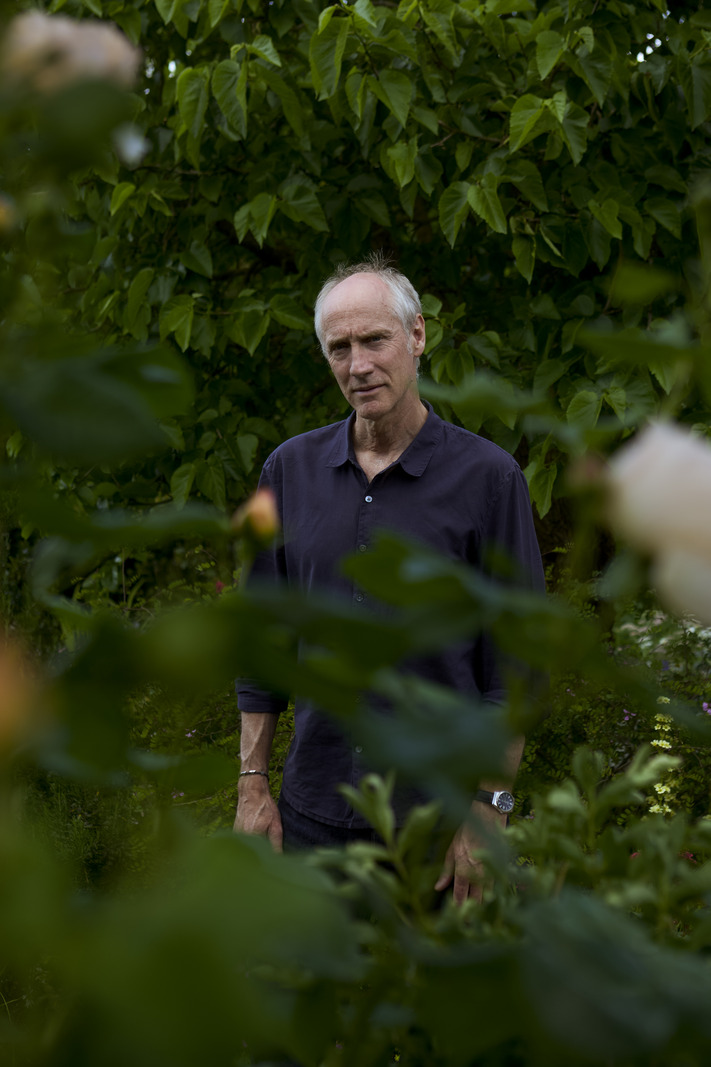
It’s one thing moving into the house of another – putting your stamp on a place isn’t easy. It’s quite another taking tenure of the house of your late mother or, indeed, her garden. How on earth do you go about the sensitive business of clearance and alteration while also honouring the memory? It’s a question Tom Faulkner is deeply familiar with.

Home for Tom – when he’s not in London overseeing his Pimlico Road shop – is a single-storey cottage in rural Oxfordshire built by his mother in the early noughties, a few large strides away from his sister’s farmhouse. When Tom’s mum died, the idea of a stranger taking occupancy felt odd to the family. So, his solution was a straightforward one – to buy out his siblings. The hard part came after.

“Mum was a terrific plantswoman. She had done the whole thing – not just the house, but the garden, too,” he says. “It was very much hers. I had to work out how to live in it without either destroying what she’d made or keeping a shrine to her.”
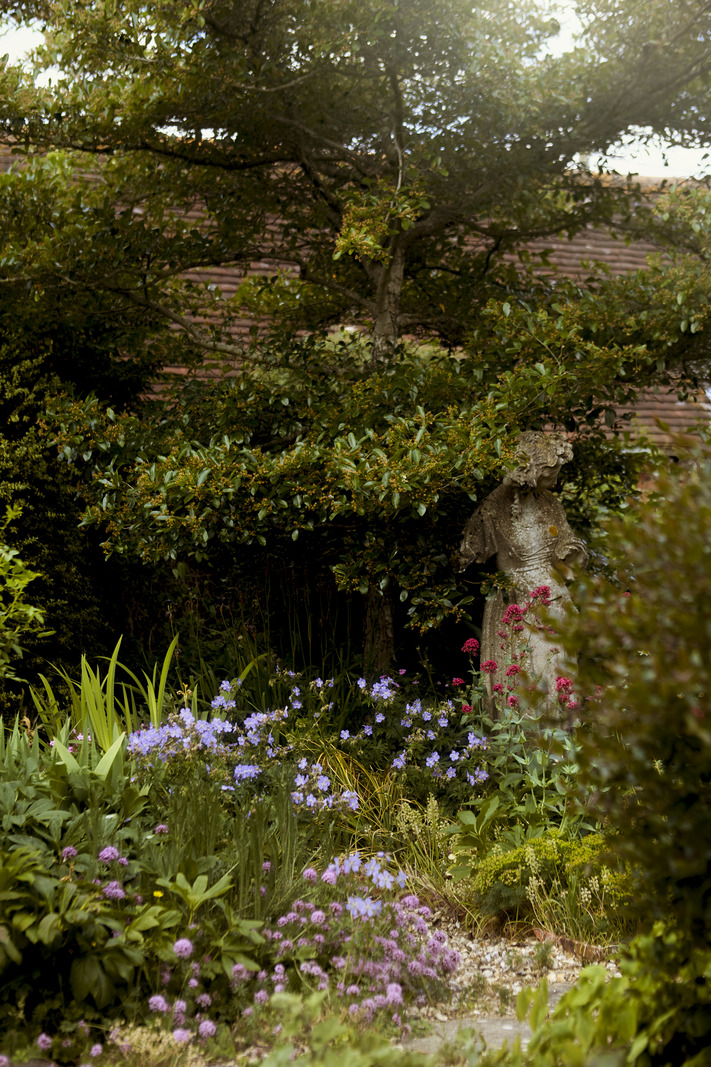
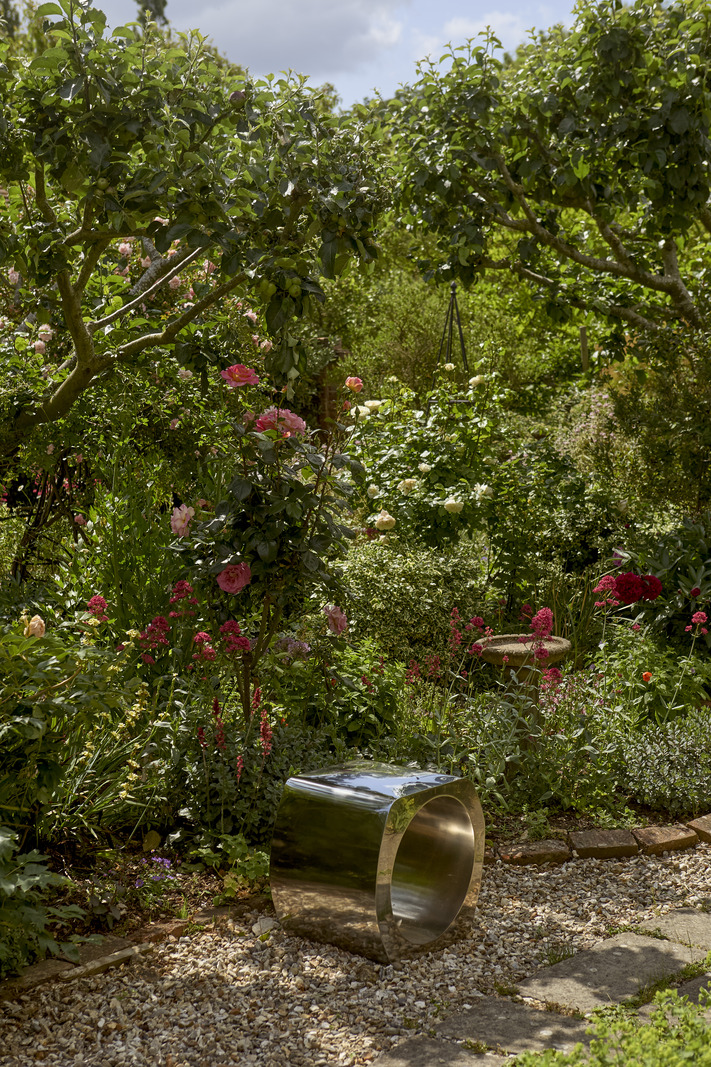
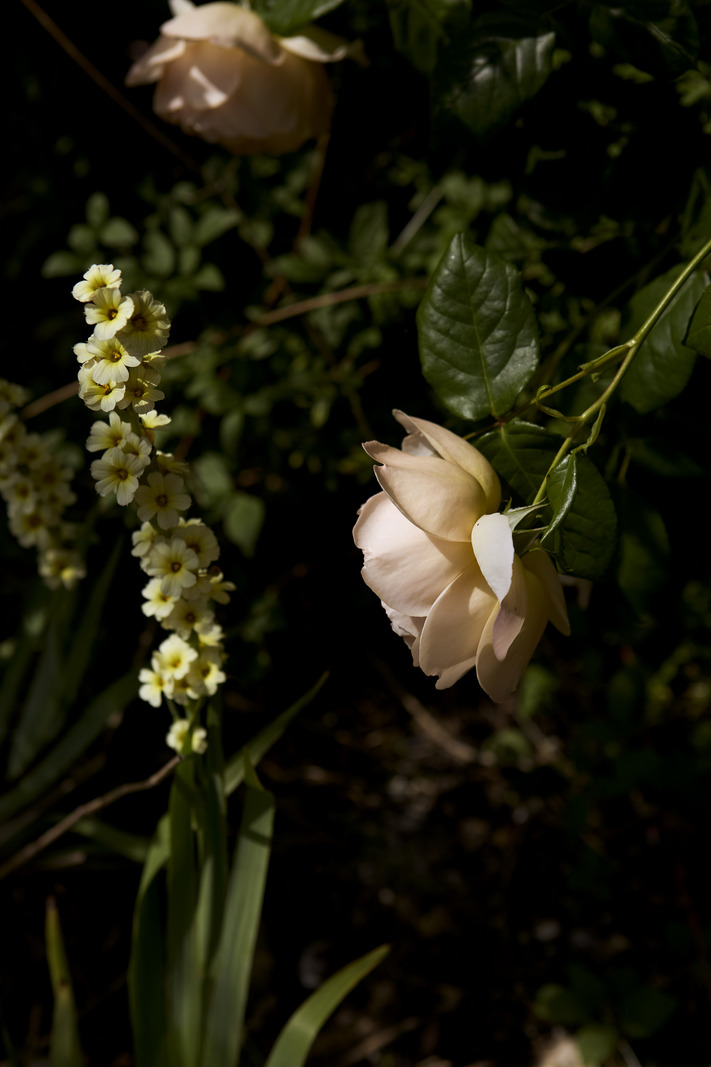
Inside, the William Morris curtains were swiftly dispatched – one of the easier decisions for Tom. But what to do with that joyous, exuberant garden? In front of the house is a veritable floribunda: cottage favourites including assorted roses, tangled clematis, hollyhocks, as well as more unexpected joys. Walk along the gravel paths and your face will be brushed by hawthorn berries and the spumy clouds of smoketrees; lower down, you’ll find sea holly, wild gladioli and sweet box. To have pulled it all out would have been a travesty. And so, the garden ultimately became a tribute to his beloved mother. It is, Tom says, “a vestige of mum, a memory to honour”.

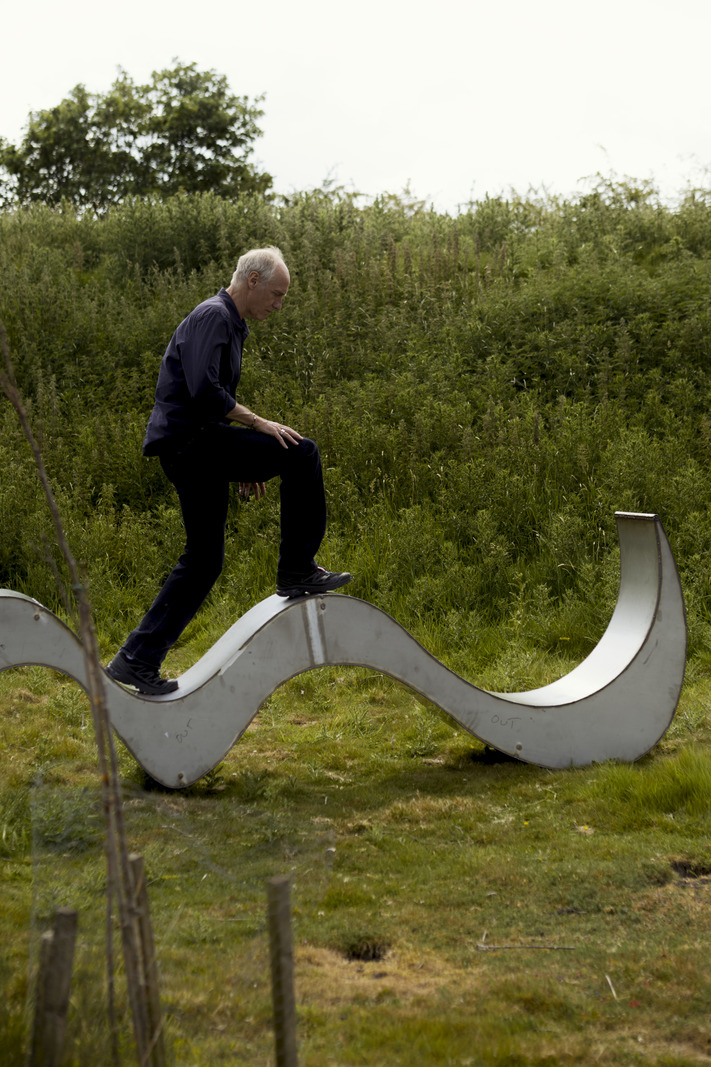
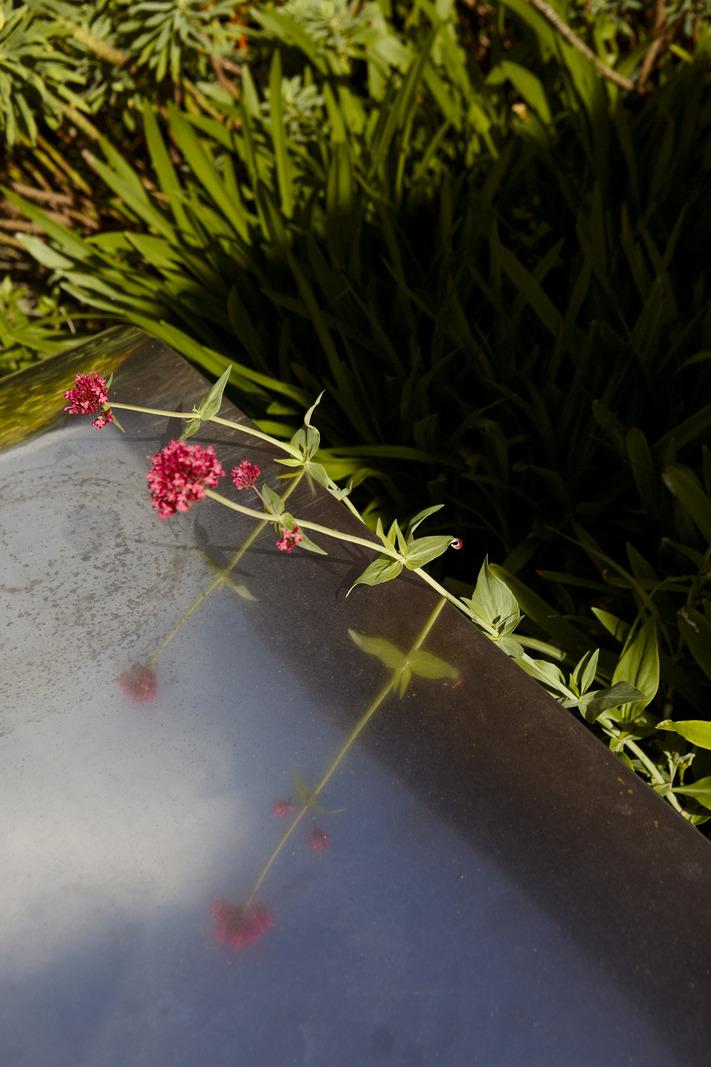
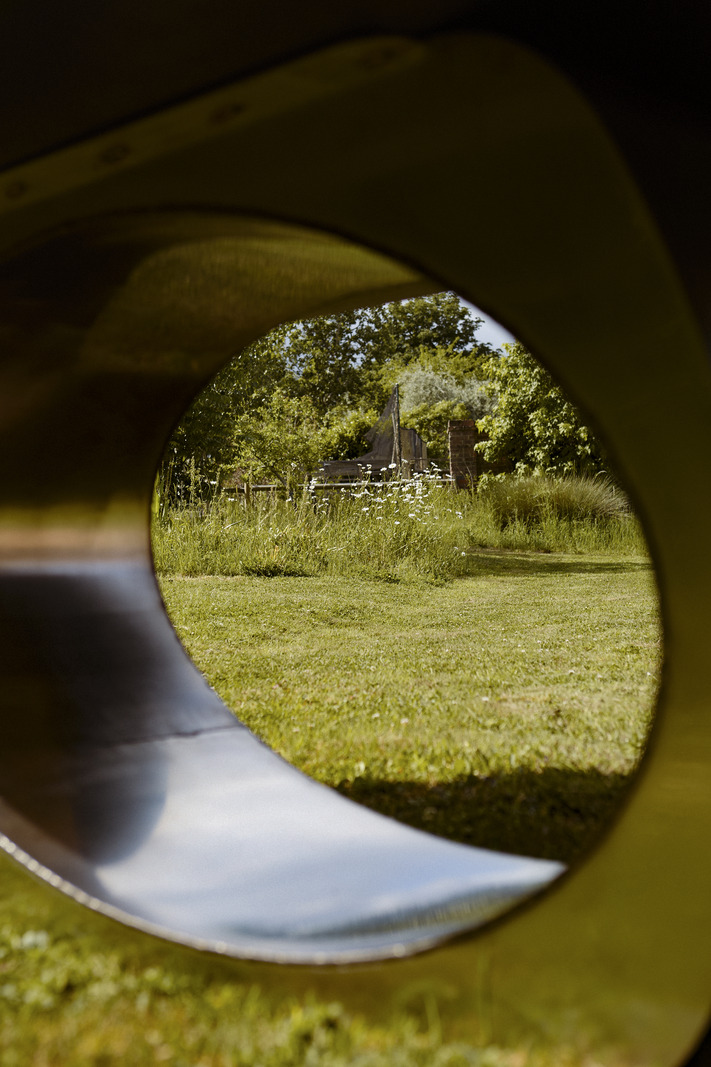
Little has changed in the four years Tom has been guardian of the cottage – it helps that its gentle wildness is just his style, although he has introduced a few additions, most recently his latest range of furniture, ‘Skye’. All stainless steel and sculptural silhouettes, the table, bench and stools’ mercurial surfaces mirror the shifting scenes of frothy greenery. Stylistically, they’re almost futuristic, yet, by dint of this dialogue with their context, they couldn’t feel more natural here.

In many ways, this conversational cohabitation of old and new is the perfect metaphor, the simplest expression of Tom’s desire to quietly yet proudly start the new chapter of this garden, reflecting as he goes.

“The garden is split into two. To get to the front door, you have to go through the first one, which is the one Mum planted. There’s an incredible wealth of plants there and a surprising number of trees for what is actually not a large space. The fig and apple trees bear masses of fruit. The mulberry tree in the middle – my mother felt every garden ought to have a mulberry tree – produces a lot of fruit, too, but truthfully, I find the best use for them is squishing them between my fingers and convincing smaller family members that you’ve had a gory accident.

“Walk through the house and you reach the courtyard, which now is a bit of a blank canvas, other than the blackberries and raspberries I grow here. I plan to create a Japanese garden eventually. I’m working with Tabi Jackson Gee, founder of Them Outdoors (for whom I’ve made some pieces), on a bit of a plan – some gravel I can rake and small bushes I can prune. Pottering in the garden is, in my view, the best form of meditation – that, or tinkering with a piece of metal.

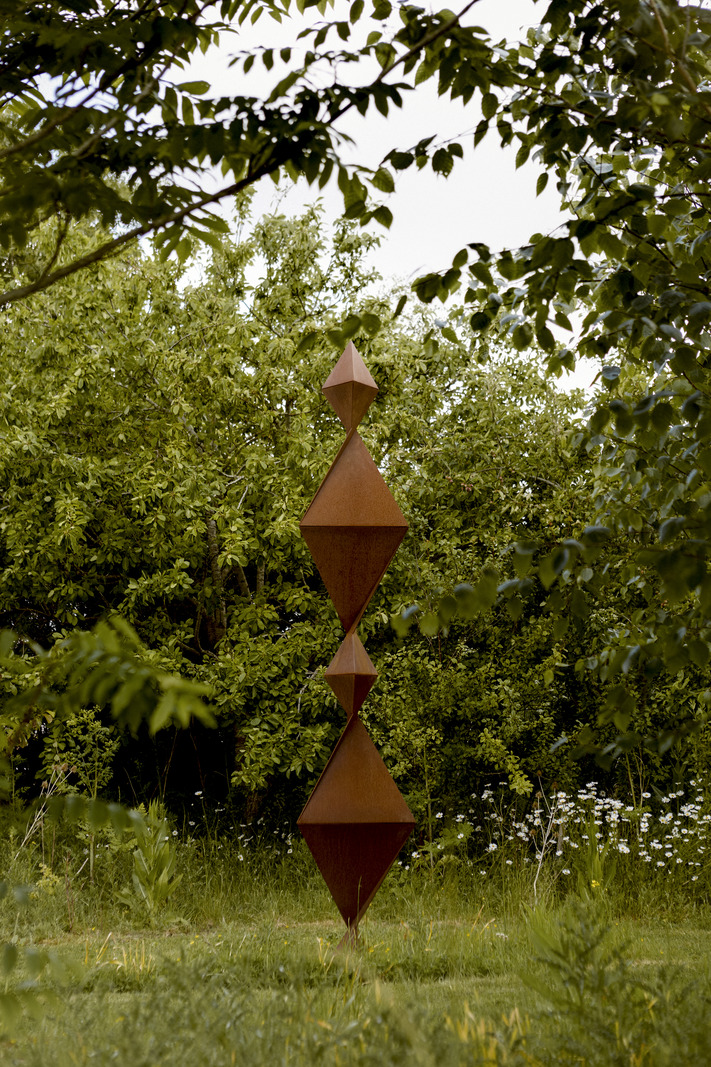
“The lawn is a work in progress. I have dreams of founding the village croquet club here, but unfortunately, it’s extremely bumpy. Beyond that, things get a little wilder; I’ve installed two of my Arizona Needle totem sculptures in a slightly overgrown patch of greenery. They look as though they shouldn’t balance, which is sort of the point: they’re a celebration of the perfect imperfections of nature, inspired by the impossible-looking rock formations in the American desert.

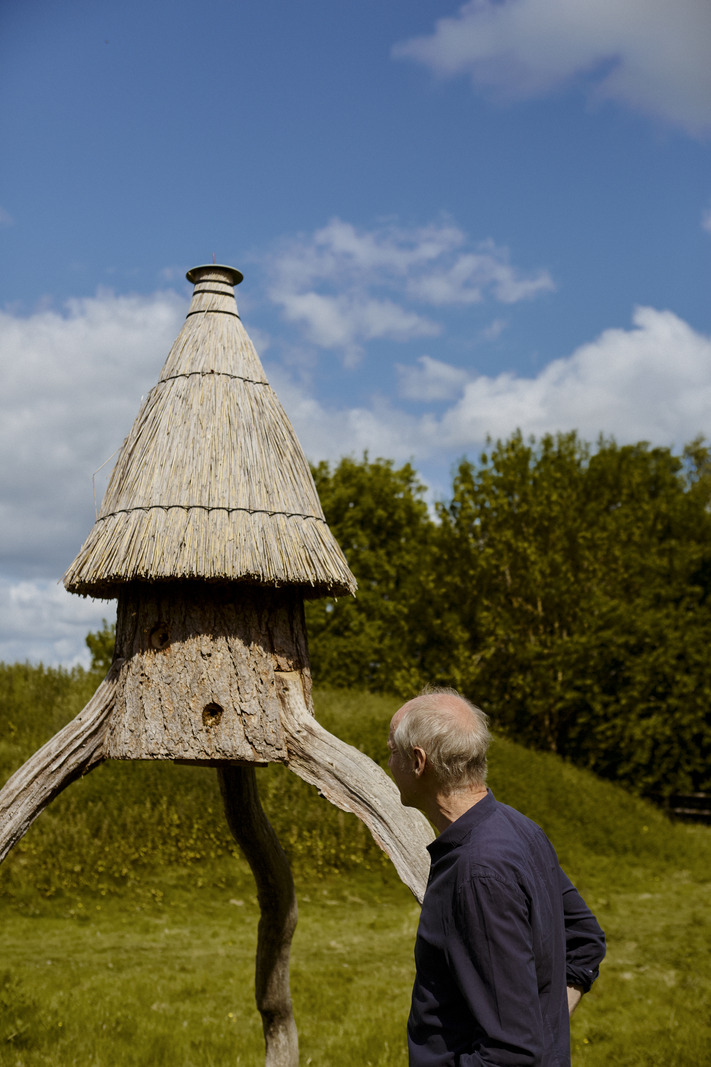
“The wildness continues into the field behind, which has a sort of amphitheatre made using the leftover earth when my mother built the house. Among the thistles is a sculpture of a sheep, made by someone in my workshop, but the real joy is hidden behind: my beehive. It was created by Matt Somerville of Bee Kind Hives, who recreates the perfect environment for bees.

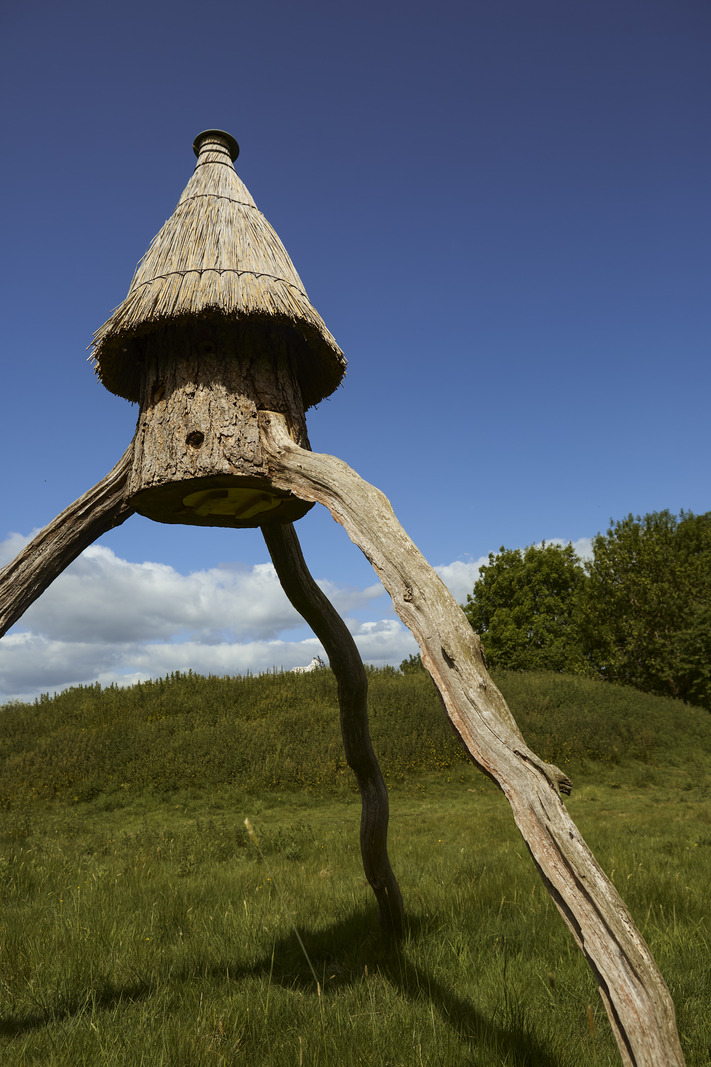
“You don’t use it for honey but instead leave the swarm to either die out naturally or move somewhere else; only then can you harvest the comb. Then, a new swarm will take over, and the cycle starts again. I find it quite moving. The hive itself is a beautiful thing, made from a hollowed-out tree trunk mounted on a tripod of chestnut legs and topped with a thatch of reeds from Norfolk. Not all of Matt’s hives have wiggly legs, but I was lucky.

“I find the bees mesmerising. Because they live in the field, they’re always popping into the garden, looking for pollen. It’s never silent in there. There’s always life. I like to encourage the birds too – we have masses of green- and goldfinches – and in summer it feels like I’m constantly refilling the feeder. It hangs on a galvanised-steel tree made by Kit Garnett, which I find very beautiful."

“I find the connection between a sculpture and its environment endlessly fascinating. It drives so much of my work as a furniture designer. I love the idea of creating a piece of furniture that becomes an integral part of the landscape. I’m very inspired by Brâncuși’s Table of Silence, a sculpture in Romania, comprising a monolithic stone table surrounded by 12 stools that appear almost ageless, as if they’ve always been there.

“I don’t think of my work as my legacy – I’m not really interested in that. But I do like the idea that I’m making things that, with any luck, will be used for generations. It’s something I find quite moving too. I see parallels between what I do as a maker and designer and what my mum made here. She would never have thought of herself as creative, and yet, looking at the way she created such texture and depth, I realise she must have been.

“And this garden is her legacy; I’ve even left some of the chalkboard plant markers she wrote dotted about (though I think half of them may be in the wrong place…). While this garden may not be here forever, there’s still a sense of permanence to this little collection of plants that grow, die back and come back year after year, without me even doing that much to help them. It’s very special.”

Further Reading

Discover more of Tom Faulkner's work here.

Feeling inspired?

A Garden with a History: a quiet inheritance, tenderly reimagined by designer Tom Faulkner